Top places for a Kenya big five safari include Maasai Mara, Amboseli, Ol Pejeta, Lake Nakuru, Tsavo, and Lewa, offering predators, rhinos, elephants, and unique highlights
The top places to visit for a Kenya big five safari combine world-class wildlife viewing with practical access and diverse experiences. Maasai Mara National Reserve stands out for its predator density and the Great Migration, offering travelers high chances of seeing lions, leopards, elephants, buffalo, and sometimes rhinos. Amboseli National Park is famous for its large elephant herds and clear views of Mount Kilimanjaro, making it ideal for travelers who want guaranteed elephant sightings. Ol Pejeta Conservancy provides unmatched rhino encounters and strong conservation focus, while Lake Nakuru National Park is reliable for rhinos and leopards, with added birdlife. Tsavo’s vast wilderness offers privacy and rugged adventure, and Lewa Wildlife Conservancy delivers exclusivity with high-end stays and meaningful conservation impact
Our popular Kenya safari packages
3-days-luxury-fly-in-safari-to-masai-mara
3-days-amboseli-national-park-safaris
4-days-masai-mara-and-lake-nakuru-safari
4-days-wildlife-safari-in-kenya
5-days-amboseli-and-tsavo-west-wildlife-safari
6-days-wildlife-safari-in-kenya
7-day-luxury-kenya-safari-holiday
7-days-kenya-wildlife-safari-tour
7-days-kenya-wildlife-safari-and-beach-holiday
8-days-luxury-kenya-safaris-and-mombasa-beach-tour
8-days-samburu-lake-nakuru-and-masai-mara-safari
8-days-magical-kenya-wildlife-safari
9-days-best-of-kenya-safari-and-diane-beach-tour
9-day-kenya-wildlife-safari-experience
10-days-kenya-uganda-wildlife-safari---gorilla-and-chimpanzees-trekking
10-days-kenya-wildlife-safari-and-diani-beach-holiday
10-days-best-of-kenya-safari-holiday
10-days-wildlife-kenya-and-tanzania-safari
12-days-wildlife-and-beach-safari-in-kenya
The Top Places to Visit for Kenya Big Five Safari
1. Maasai Mara National Reserve
A Kenya big five safari in Maasai Mara is the most complete experience, offering vast plains filled with predators and large herds. Lions and leopards are common, while elephants and buffalo roam freely, and rhinos can sometimes be seen. The highlight is the Great Migration from July to October, when wildebeest and zebras cross rivers in dramatic scenes. Camps and lodges are well placed to keep you close to the action, making it easy to enjoy sunrise drives and evening views. A Kenya big five safari here ensures high chances of spotting all major animals, with guides who know the terrain and wildlife behavior, giving travelers maximum value in one of Africa’s most famous reserves.
2. Amboseli National Park

A Kenya big five safari in Amboseli is best known for its large elephant herds, including rare “super tuskers” with massive ivory. Lions, leopards, and buffalo are also present, though rhinos are absent. The park’s open landscapes provide clear views of wildlife, and the backdrop of Mount Kilimanjaro adds to the experience. Campsites and lodges are located near water sources where animals gather, making sightings reliable. A Kenya big five safari here is ideal for travelers who want guaranteed elephant viewing combined with predator sightings. The park’s accessibility from Nairobi makes it a practical choice, offering strong wildlife diversity without long travel times, and ensuring a rewarding safari for both first-time and repeat visitors.
3. Ol Pejeta Conservancy
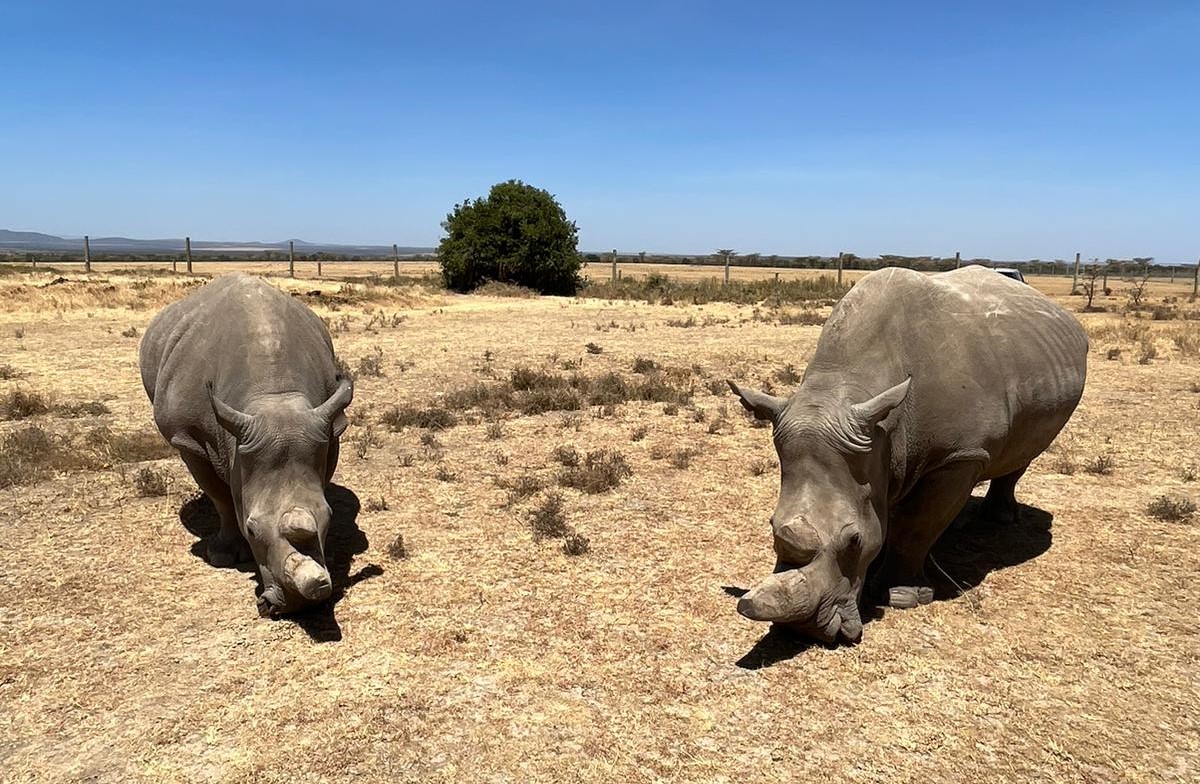
A Kenya big five safari in Ol Pejeta is the top destination for rhino sightings, with both black and white species protected here. It is also home to the last two northern white rhinos, making it globally significant. Lions, leopards, elephants, and buffalo complete the Big Five, giving travelers a full experience. The conservancy combines wildlife viewing with conservation education, showing how tourism supports protection efforts. Camps and lodges are well managed, ensuring comfort while staying close to wildlife. A Kenya big five safari here guarantees rhino sightings, which are rare in many other parks, making it a must-visit for travelers who value conservation and want reliable encounters with Africa’s most endangered species.
4. Lake Nakuru National Park

A Kenya big five safari in Lake Nakuru is perfect for those seeking reliable rhino and leopard viewing. Both black and white rhinos are protected in the park’s sanctuary, while leopards are often spotted resting in trees. Buffalo and other wildlife add to the diversity, and birdlife is abundant, with flamingos being a famous attraction. The park is small but productive, making it easy to see a lot in a short time. A Kenya big five safari here is practical for travelers with limited schedules, as it is close to Nairobi and accessible by road. Its combination of rhinos, predators, and birdlife makes it a balanced destination for both wildlife and photography.
5. Tsavo National Parks
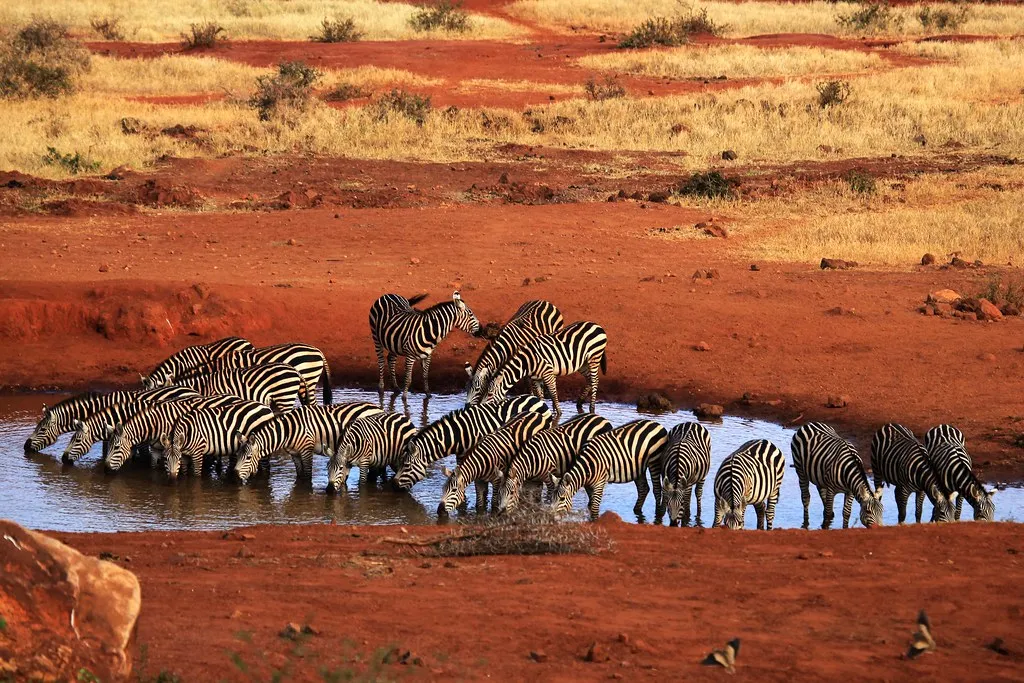
A Kenya big five safari in Tsavo offers a rugged, less crowded experience across vast wilderness areas. The parks are known for red elephants, lions, leopards, and buffalo, with rhino sightings possible at the Ngulia Rhino Sanctuary in Tsavo West. The landscapes are wide and remote, giving travelers a sense of space and privacy. Camps and lodges are spread out, ensuring fewer vehicles and a more natural safari feel. A Kenya big five safari here suits travelers who prefer off-the-beaten-path adventures, with strong chances of seeing elephants and predators. The sheer size of Tsavo makes it a rewarding destination for those who want extended drives and authentic wilderness experiences.
6. Lewa Wildlife Conservancy

A Kenya big five safari in Lewa is exclusive and conservation-focused, offering intimate experiences with low visitor numbers. Rhinos are a major highlight, alongside lions, leopards, elephants, and buffalo. The conservancy is a UNESCO World Heritage site, recognized for its role in protecting endangered species. Camps and lodges here are high-end, providing comfort while keeping you close to wildlife. A Kenya big five safari in Lewa is ideal for travelers seeking privacy and meaningful conservation impact. Guides are highly trained, ensuring detailed knowledge of animal behavior and ecosystems. The combination of exclusivity, strong rhino populations, and conservation success makes Lewa one of Kenya’s most rewarding safari destinations
Best time to go for Kenya big five safari
Dry Season of June–October
A Kenya big five safari is most rewarding during the long dry season, as animals gather around water sources and grass is short, making sightings clear. This period includes the Great Migration in the Maasai Mara, where wildebeest and zebras cross rivers, attracting predators like lions and leopards. Elephants, buffalo, and rhinos are also easier to spot in Amboseli, Ol Pejeta, and Lake Nakuru. Camps and lodges are busier, so booking early is important, but the payoff is excellent wildlife visibility and comfortable weather. For travelers focused on maximizing Big Five sightings, this is the most reliable time to plan a Kenya big five safari.
Short Dry Season from January–February
Another excellent time for a Kenya big five safari is the short dry season, which offers clear skies, warm mornings, and minimal rainfall. This period is known for calving season, especially in the Maasai Mara, where newborn wildebeest, zebras, and buffalo attract predators. Amboseli is ideal for elephant viewing, while Lake Nakuru provides reliable rhino and leopard sightings. Visitor numbers are lower compared to the mid-year peak, making camps less crowded and giving travelers a more relaxed experience. A Kenya big five safari in these months balances strong wildlife activity with fewer tourists, making it a practical choice for those seeking both value and quality game viewing.
How to get there for Kenya big five safari
Getting to a Kenya big five safari usually starts with arriving in Nairobi, the country’s main hub for international flights. Jomo Kenyatta International Airport connects travelers from all over the world, and from there safari operators arrange transfers to different parks. For destinations like Maasai Mara, Amboseli, and Lake Nakuru, road travel in 4x4 safari vehicles is common, offering flexibility and lower costs compared to flights. These drives also give you a chance to see rural landscapes along the way. A Kenya big five safari booked with a reliable operator ensures that transport, park fees, and campsite logistics are handled smoothly, saving you time and effort.
For travelers heading to more remote areas such as Lewa, Ol Pejeta, or Tsavo, domestic flights are available from Nairobi’s Wilson Airport, cutting down long travel hours. These flights land at small airstrips close to the parks, where guides meet you and transfer you directly to camps or lodges. A Kenya big five safari often combines both road and air travel depending on your schedule and budget. Road transfers are more affordable, while flights maximize time in the parks. Choosing the right mix ensures you balance cost, comfort, and convenience while reaching the best safari destinations efficiently
Best safari activities not to miss on Kenya big five safari
1. Hot Air Balloon Safari in Maasai Mara
A hot air balloon safari in the Maasai Mara is one of the most unique ways to enjoy a Kenya big five safari. Floating quietly at sunrise, you see herds of elephants, lions, and buffalo spread across the plains, with wildebeest and zebras moving below. The aerial view gives a wider perspective of animal movements than a vehicle drive. After landing, many operators serve a bush breakfast, adding comfort to the adventure. A Kenya big five safari with this activity is ideal for travelers who want variety and a memorable highlight that combines wildlife viewing with a special experience.

2. Guided Walking Safari in Ol Pejeta, Laikipia
Guided walking safaris bring a different dimension to a Kenya big five safari. Instead of staying in a vehicle, you walk with trained guides who teach you how to read tracks, identify plants, and notice smaller animals often overlooked. In Ol Pejeta and Laikipia, you may see rhinos, giraffes, and zebras from safe distances, making the experience more personal. Walking safaris also deepen your understanding of the ecosystem, showing how everything connects. A Kenya big five safari with this activity suits travelers who want more than just sightings—they want to learn and feel closer to the land.

3. Night Game Drive in Ol Pejeta, Lewa
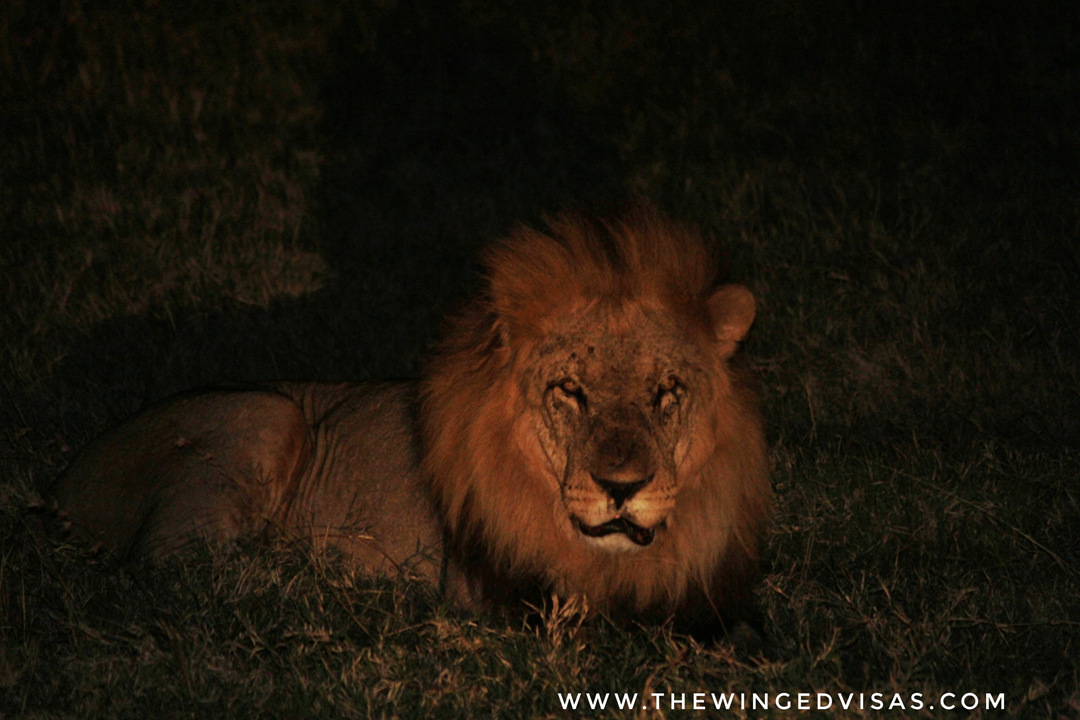
Night drives add a new layer to a Kenya big five safari by showing animals that are active after dark. Using spotlights, guides reveal leopards hunting, hyenas roaming, and smaller creatures like bushbabies and genets. Since national parks restrict night drives, private conservancies such as Ol Pejeta and Lewa are the best places to try them. This activity gives travelers a chance to see behaviors rarely witnessed during the day. A Kenya big five safari that includes night drives ensures variety and helps you appreciate the full cycle of wildlife activity in the bush.
4. Cultural Visit Maasai and Samburu Villages
A cultural visit to Maasai or Samburu villages adds human connection to a Kenya big five safari. Here, you meet families, learn about traditions, and watch dances that reflect their heritage. Guides explain how these communities live alongside wildlife, herding cattle while respecting conservation rules. This activity balances wildlife viewing with cultural understanding, giving travelers a broader picture of Kenya. A Kenya big five safari that includes village visits is valuable for those who want to combine animal sightings with meaningful cultural experiences.
5. Fly-Camping or Star Beds in Remote Conservancies

Fly-camping or sleeping in star beds is one of the most adventurous ways to enjoy a Kenya big five safari. In places like Loisaba or Chyulu Hills, you sleep under the open sky, listening to lions, hyenas, and other wildlife at night. Camps are simple but safe, offering comfort while keeping you close to nature. This activity is perfect for travelers who want privacy and a deeper connection to the wilderness. A Kenya big five safari with fly-camping adds variety, making your trip more memorable and authentic compared to standard lodge stays.
6. Horseback or E-Bike Safari in Laikipia, Lewa

Horseback or e-bike safaris provide a quieter way to explore the plains during a Kenya big five safari. Moving without the noise of vehicles allows animals to behave naturally, giving you closer and more relaxed sightings. In Laikipia and Lewa, these safaris are guided and safe, offering chances to see elephants, zebras, and even predators from unique angles. This activity suits travelers who want active participation and a fresh perspective. A Kenya big five safari with horseback or e-bike options adds adventure and variety to traditional game drives.
7. Lion Tracking in Ol Pejeta Conservancy

Lion tracking in Ol Pejeta is a specialized activity that combines conservation with safari. Researchers use radio collars to locate lions, and visitors join them to learn about predator behavior. This hands-on experience supports conservation while giving travelers rare insights into lion movements and social structures. A Kenya big five safari with lion tracking is not just about sightings it’s about understanding and contributing to wildlife protection. For travelers interested in conservation, this activity adds depth and meaning to their safari.
8. Boat Safari at Lake Naivasha
A boat safari on Lake Naivasha offers a refreshing change from vehicle drives during a Kenya big five safari. Gliding across the water, you see hippos, fish eagles, and over 400 bird species. Afterward, a walking safari on Crescent Island lets you walk among giraffes and zebras without predators nearby. This mix of water and land activities adds diversity to your safari experience. A Kenya big five safari that includes Lake Naivasha is ideal for travelers who want variety and a slower pace while still enjoying wildlife.
9. Rhino or Elephant Sanctuary Visit at Nairobi and Ol Pejeta

Visiting sanctuaries like the David Sheldrick Wildlife Trust in Nairobi or Ol Pejeta Conservancy adds education to a Kenya big five safari. Here, you see orphaned elephants or endangered rhinos up close, learning about conservation efforts that protect them. These visits highlight the importance of safeguarding wildlife for future generations. A Kenya big five safari with sanctuary stops balances adventure with awareness, making the trip more meaningful. For families and conservation-minded travelers, this activity is especially valuable.
10. Great Migration River Crossing in Maasai Mara

The Great Migration river crossings in the Maasai Mara are among the most dramatic events in nature. Between July and October, millions of wildebeest and zebras face crocodiles and predators as they cross rivers. Camps near crossing points give travelers front-row views of this spectacle. A Kenya big five safari timed for this season ensures you witness one of the most powerful wildlife events on Earth. For travelers seeking the ultimate highlight, this activity is a must, combining scale, drama, and predator-prey interactions in one unforgettable scene
11. Day Game Drives
Across Kenya’s Parks Day game drives are the backbone of any Kenya big five safari, giving travelers the best chance to see lions, leopards, elephants, buffalo, and rhinos in their natural habitats. Early morning drives are especially productive, as predators are active and animals gather near water sources. Midday drives reveal elephants cooling under trees and herds moving across open plains, while late afternoon drives capture wildlife preparing for the night. A Kenya big five safari with day drives ensures variety, as each park offers different highlights Maasai Mara for predators, Amboseli for elephants, and Ol Pejeta for rhinos. With professional guides and pop-top vehicles, these drives balance comfort with clear views, making them the most reliable way to maximize sightings
Best tips for Kenya big five safari
One of the best tips for a Kenya big five safari is to plan around timing and logistics. Early mornings and late afternoons are the most productive for wildlife viewing, so be prepared to start drives at sunrise and rest during midday when animals are less active. Booking with a reliable operator ensures smooth transport, safe campsites, and experienced guides who know where to find lions, leopards, elephants, buffalo, and rhinos. A Kenya big five safari also benefits from packing smart neutral clothing, a good camera, binoculars, insect repellent, and a flashlight are essentials. Having the right gear makes the experience more comfortable and keeps you focused on enjoying the wildlife rather than worrying about small inconveniences.
Another important tip for a Kenya big five safari is to balance expectations with flexibility. Wildlife movements are unpredictable, so patience is key, and guides often adjust routes based on sightings. Respecting park rules, keeping noise low, and staying inside vehicles when advised increases your chances of seeing animals safely. Choosing a mix of destinations such as Maasai Mara for predators, Amboseli for elephants, and Ol Pejeta for rhinos ensures variety and maximizes sightings. A Kenya big five safari also becomes more rewarding when you include cultural visits to Maasai or Samburu villages, adding human connection to the wildlife experience. This balance of planning, patience, and variety makes the safari both practical and memorable
What to bring for your Kenya big five safari experience
For your Kenya big five safari experience, bring practical essentials that keep you comfortable and prepared. Neutral-colored, lightweight clothing is best for blending into the environment, along with a warm jacket for cool mornings and evenings. Sturdy walking shoes or boots are important for game drives and optional walking safaris. Pack a wide-brimmed hat, sunglasses, and sunscreen to protect against the sun, plus insect repellent for mosquitoes. A good camera with extra batteries and binoculars will help capture and enjoy wildlife sightings. Don’t forget a reusable water bottle, personal medications, and a small first aid kit. Soft luggage is recommended for easy transport, and carrying some cash for tips or small purchases ensures convenience throughout your safari
Best places to stay in during Kenya big five safari
During a Kenya big five safari, the best places to stay depend on your budget, comfort level, and preferred experience. In the Maasai Mara, options range from budget-friendly campsites near the reserve to luxury tented lodges that place you close to migration routes. Amboseli offers lodges with direct views of Mount Kilimanjaro and camps near waterholes where elephants gather. Ol Pejeta Conservancy provides eco-lodges and tented camps that emphasize conservation, while Lake Nakuru has lodges inside the park for easy access to rhino sightings. Tsavo’s vast wilderness is best experienced through remote lodges and bush camps, while Lewa Wildlife Conservancy offers exclusive high-end stays with privacy and strong conservation focus. Each choice ensures proximity to wildlife and maximizes safari value
Booking Kenya big five safari with Dav safaris
Booking a Kenya big five safari with Dav Safaris ensures a seamless experience where all logistics are handled professionally, from transport and park fees to accommodation and guided game drives. Our packages are designed to maximize sightings of lions, leopards, elephants, buffalo, and rhinos across top destinations like Maasai Mara, Amboseli, Ol Pejeta, and Lake Nakuru. With expert guides who know the terrain and wildlife behavior, travelers gain reliable opportunities to see the Big Five while learning about conservation efforts. Dav Safaris also offers flexible options for budget, mid-range, and luxury travelers, making it easy to match comfort with value. Choosing them guarantees practical planning, authentic experiences, and a safari that balances wildlife viewing with cultural depth