Nairobi National Park on a Kenyan safari offers Big Five sightings, rhino sanctuary, ivory burning site, birdlife, and skyline views for unique wildlife moments
Find out the best of Nairobi National Park on your Kenyan safari, where wildlife experience meet the rare backdrop of a bustling city skyline. Just minutes from downtown Nairobi, this park offers a unique chance to spot lions, leopards, buffalo, and rhinos against skyscrapers a sight found nowhere else. Early morning drives reveal predators returning from hunts, while the rhino sanctuary highlights Kenya’s conservation success. Landmarks like the Ivory Burning Site remind visitors of the country’s fight against poaching, adding depth to your safari experience. Birdwatchers will love the Hippo Pools, home to over 500 species, while sunset drives showcase giraffes silhouetted against glowing city lights. For families and short-stay travelers, activities like the Nairobi Safari Walk and picnic breakfasts provide relaxed yet memorable moments. Whether it’s photography from the observation tower or a night drive with special permits, every activity here blends wildlife, culture, and convenience seamlessly
Best Kenyan safari packages
3-days-luxury-fly-in-safari-to-masai-mara
3-days-amboseli-national-park-safaris
4-days-masai-mara-and-lake-nakuru-safari
4-days-wildlife-safari-in-kenya
5-days-amboseli-and-tsavo-west-wildlife-safari
6-days-wildlife-safari-in-kenya
7-day-luxury-kenya-safari-holiday
7-days-kenya-wildlife-safari-tour
7-days-kenya-wildlife-safari-and-beach-holiday
8-days-luxury-kenya-safaris-and-mombasa-beach-tour
8-days-samburu-lake-nakuru-and-masai-mara-safari
8-days-magical-kenya-wildlife-safari
9-days-best-of-kenya-safari-and-diane-beach-tour
9-day-kenya-wildlife-safari-experience
10-days-kenya-uganda-wildlife-safari---gorilla-and-chimpanzees-trekking
10-days-kenya-wildlife-safari-and-diani-beach-holiday
10-days-best-of-kenya-safari-holiday
10-days-wildlife-kenya-and-tanzania-safari
What are the top attractions to see on Kenyan safari in Nairobi park
The top attractions on a Kenyan safari in Nairobi National Park start with the rare chance to see four of the Big Five lion, leopard, buffalo, and rhino with the city's skyscrapers on the horizon, a sight found nowhere else on earth. The park is one of Africa's most successful rhino sanctuaries, offering strong chances to see both black and white rhinos, while the famous Ivory Burning Site marks where Kenya burned over 100 tonnes of confiscated tusks in 1989 and 2016, sending a powerful anti-poaching message . A Kenyan safari here also includes the Hippo Pools for watching hippos and over 500 bird species, plus easy access to the adjacent Nairobi Safari Walk and the David Sheldrick Wildlife Trust's elephant orphanage just outside the park boundary
The Best safari activities to do in Nairobi national park on a Kenyan safari
Morning game drive along the park’s eastern plains

Start your Kenyan safari at dawn when lions and hyenas return from hunting. Drive the eastern loop near Athi River, where zebras and giraffes gather to drink. You will see the city skyline behind wild animals, which is unique to this park. A Kenyan safari here works for travelers with limited time because the park is only 20 minutes from the airport. Your guide will stop at hyena dens and rhino spots. Bring binoculars and stay in the vehicle at all times. This activity solves the problem of missing big animals when you only have a half-day free.
Rhino tracking at the fenced sanctuary

The park has a protected rhino sanctuary where over 10 black rhinos live. On your Kenyan safari, a ranger will walk with you inside the fenced area this is not a drive. You learn about anti-poaching efforts and see rhinos from 50 meters away. A Kenyan safari activity like this is rare because most parks keep rhinos at a distance. Wear closed shoes and listen to every instruction. You get close views without disturbing the animals. The value is understanding conservation work while checking the rhino off your list. Book this through the park gate in the morning.
Ivory burning site visit
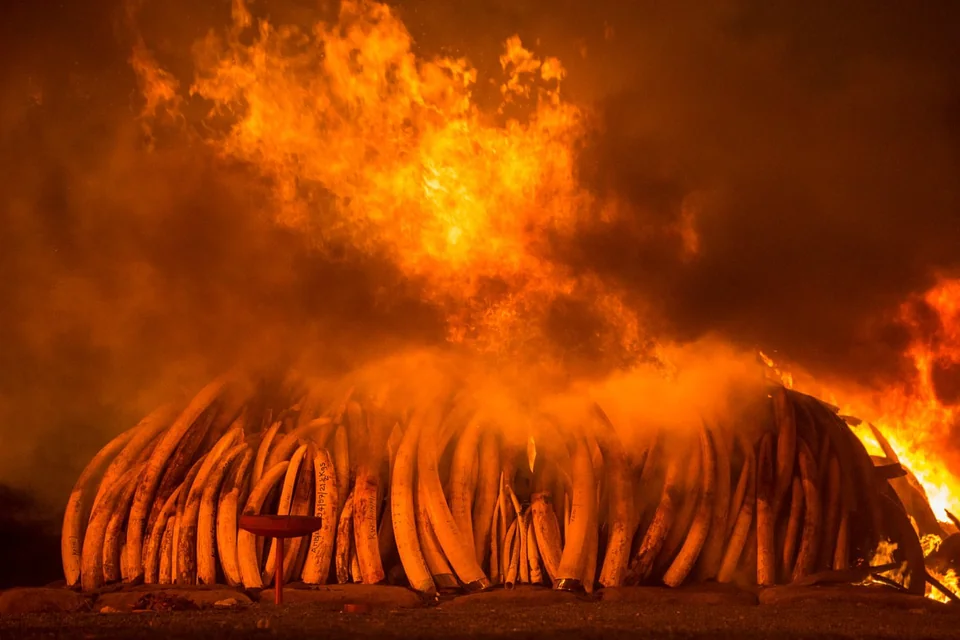
Next to the main gate stands the memorial where Kenya burned 105 tons of ivory in 1989. On your Kenyan safari, a guide explains how this act stopped elephant poaching. You see photos of the fire and the tusks that remain. A Kenyan safari that includes this site gives you context why elephants are still at risk. The visit takes 20 minutes, so add it before or after your drive. It solves the concern of “am I harming animals by visiting?” You learn how park fees support rangers. No extra fee is required, but ask your driver to stop.
Lion cub viewing near the Mokoyeti River

The park has a famous lion pride with cubs born every year. On your Kenyan safari, drive slowly along the Mokoyeti River between 8 and 10 a.m. Cubs play on rocks while mothers rest in the shade. A Kenyan safari here beats waiting for hours in bigger parks because lions are used to vehicles. Stay quiet and keep the engine off. Your guide will position the car for clear photos without disturbing them. This activity solves the worry of “will I see lions up close?” The cubs often walk within ten meters. Do not reach out or stand up.
Bird watching at the Hippo Pools
Over 500 bird species live in the park, including ostriches, secretary birds, and fish eagles. On your Kenyan safari, park at the Hippo Pools viewpoint and scan the water with binoculars. You will see pelicans, herons, and kingfishers catching fish. A Kenyan safari focused on birds is perfect for travelers who want calm moments between predator drives. Bring a bird book or ask your guide to name each species. The pools also have hippos, so keep a safe distance. This activity solves the problem of “what if I don’t like big animals?” Birds are colorful, active, and everywhere.

Sunset drive with Nairobi skyline view
Stay inside the park until 6:30 p.m. (closing time) to watch the sun set behind skyscrapers. On your Kenyan safari, drive to the western hills where you see giraffes silhouetted against city lights. A Kenyan safari ending this way gives you photos no other park can offer. Bring a jacket because evenings cool fast. Your guide will ]find a safe open area away from bushes where predators hide. This activity solves the problem of “is it worth driving back to the city early?” You get a peaceful end to your day without rushing. Ask your driver to confirm the exact closing time at the gate.
Walking safari at the Nairobi Safari Walk
Just outside the main park, the Safari Walk is a raised boardwalk through enclosures. On your Kenyan safari, you see leopards, cheetahs, bongos, and pygmy hippos in large pens. A Kenyan safari that includes this walk helps you learn animal tracks and skulls without driving for hours. The walk takes 90 minutes and costs a small fee. It solves the concern of “what if I don’t see certain animals in the wild?” Here, they are guaranteed. Bring water and go early to avoid heat. This is not a zoo the enclosures mimic natural habitats, and animals are rescued or bred for release.
Picnic breakfast at the Ivory Burning Site
You can bring your own breakfast and eat at tables next to the memorial. On your Kenyan safari, arrive at 7 a.m., drive for one hour, then stop at the picnic area. Watch zebras graze 100 meters away while you eat. A Kenyan safari morning like this is relaxed and family-friendly. Pack a thermos of coffee, sandwiches, and a trash bag no littering. This activity solves the problem of “where do we take a break?” Most drivers stop at random spots, but this area has benches and shade. Clean up completely and tip the site attendant. Do not feed any animals, even birds.
Photography from the observation tower
Near the main gate, a wooden tower gives you a view over the entire eastern grassland. On your Kenyan safari, climb 15 steps to see herds of wildebeest and giraffes spread below you. A Kenyan safari photographer will love this spot at midday when animals gather at a distant waterhole. Bring a telephoto lens (200mm minimum) because animals are far. The tower is free and has a roof for shade. This activity solves the problem of “I can’t get high enough for wide shots.” You see the park’s size and animal movement patterns. Visit for 20 minutes before your exit. No guide needed just walk from the parking lot.
Night drive with special permit required
Nairobi National Park allows night drives for guests staying inside the park. On your Kenyan safari, book a room at the Emakoko Lodge or similar, and the lodge arranges a 7 p.m. drive. You see bushbabies, genets, and leopards hunting. A Kenyan safari night drive solves the worry of “what happens after dark?” Your guide uses a red flashlight to spot eyes in the bushes. This activity costs extra ($50–100) and must be booked two days in advance. Wear warm clothes and do not get out of the vehicle. The value is seeing a completely different set of animals that sleep during your daytime visit.
Best time to visit Nairobi national park for a Kenyan safari
The best time to visit Nairobi National Park for a Kenyan safari is during the dry season from June to September. Rain is rare in these months, so animals gather around the Athi River and remaining waterholes. Grass stays short, making lions, rhinos, and zebras easy to see without tall bush blocking your view. Morning temperatures are cool (15–20°C), and afternoons stay pleasant. A Kenyan safari here during dry months also avoids muddy roads that can get stuck. The park is small, so you cover most trails in half a day. Book a morning drive starting at 6 a.m. for the best action. Crowds are moderate, but you will not feel rushed.
The green season from November to March also works well for a Kenyan safari in this park. Short afternoon rains leave mornings dry, and the park stays less crowded. Bird watchers benefit because migratory birds arrive from Europe. A Kenyan safari during these months costs less for vehicle hire and guides. The grass is higher, so predators are harder to spot, but you gain privacy. Avoid April and May when long rains flood roads and some tracks close. For first-timers, June to September gives reliable sightings. For budget travelers, December to March offers value with fewer tourists. Either period works if you start your drive early
How to get to Nairobi national park for a Kenyan safari
Getting to Nairobi National Park for a Kenyan safari is very easy because the park lies only 7 kilometers south of the city center, with the drive taking 20–30 minutes from most hotels or the central business district . For a stress-free Kenyan safari experience, the most convenient option is booking a tour that includes hotel or airport pickup, as a driver-guide will handle everything and know the best routes to the main gate on Langata Road . If you prefer to drive yourself, you can rent a car (a high-clearance vehicle is fine, though 4x4 helps on dirt roads) and navigate from the city by taking Uhuru Highway south, turning onto Langata Road, and following signs to the KWS headquarters entrance . Those arriving at Jomo Kenyatta International Airport (JKIA) should use the East Gate, which connects via Mombasa Road and Airport North Road and is less crowded . Budget travelers can take matatu 125 or 126 from the city center to Langata, then a short taxi ride to the gate . Ride-hailing apps like Uber and Bolt are also reliable for getting directly to the park entrance
Best tips for experiencing Kenyan safari in Nairobi national park
Start your Kenyan safari at the main gate by 6:00 a.m. sharp, because animals are most active in the first two hours after dawn and the park gets warmer by 10 a.m. Bring a pair of binoculars even if you have a good camera lens you will spot rhinos and lions from farther away without disturbing them. Stay inside your vehicle at all times, and do not open doors or windows more than a few inches. A successful Kenyan safari depends on your patience; ask your driver to turn off the engine when you find predators so you can listen for warning calls or nearby movement. Pack sunscreen, a hat, and plenty of water, because the open plains offer no shade.
Do not expect to see elephants in Nairobi National Park they do not live here but focus on black rhinos, lions, and giraffes instead. For the best Kenyan safari experience, hire a guide who knows the park’s seasonal waterholes and can read animal tracks; do not rely only on your own navigation. Keep a written checklist of what you see, because the park has over 80 mammal species, and noting them helps you stay engaged. A smart Kenyan safari tip is to carry small cash for the Ivory Burning Site entry fee and for tipping your driver. Finally, leave your drone at home they are banned in all Kenyan parks. Drive slowly, stay quiet, and you will leave with real memories
How much is a Kenyan safari to Nairobi park
A Kenyan safari to Nairobi National Park typically costs between $100 and $285 per person, depending on how you book. The park entry fee for international adult tourists is $100 for 24 hours . If you want a guided tour with hotel pickup, expect to pay $220–$285, which usually includes transport and a driver-guide but may not cover park fees . For budget travelers, Kenya Wildlife Service offers a "Nairobi Safari Package" at $105 for non-resident adults, covering entry to the park, the Animal Orphanage, and the Safari Walk . Your Kenyan safari costs go up if you add visits to the David Sheldrick Elephant Orphanage ($25–$43 extra) or Giraffe Centre ($10–$25 extra) . Children under 5 enter free, and vehicle fees are usually included in tour packages . Book directly through the KWS eCitizen portal to avoid cash payment hassles and get the official rates
Booking Kenyan safari to Nairobi Park with Dav safaris
Booking your Kenyan safari to Nairobi National Park with Dav Safaris is a straightforward process that starts by visiting their website to browse available packages tailored for the park. Our Nairobi National Park tours typically include transport from your city hotel or the airport, a professional guide, and bottled water, with the flexibility to add stops at the nearby Giraffe Centre or David Sheldrick Wildlife Trust for orphaned elephants. For your Kenyan safari, you can choose between half-day excursions costing around $50 to $100 or full-day adventures from $100 to $250, with park entry fees and guide services covered in the quoted price. To secure your booking, simply fill out the inquiry form on their site or contact their team directly via email at info@davsafaris.com or by phone at +256-757-795-781 . Once you confirm your dates and group size, you will pay a deposit to lock in your Kenyan safari arrangements, and their knowledgeable guides trained in wildlife management will handle all driving and animal spotting so you can focus on enjoying lions, rhinos, and giraffes against Nairobi's unique skyline backdrop