First-time African safari Tanzania offers Big Five sightings, Great Migration drama, Maasai guidance, and unforgettable wildlife moments
Experience the best out of your first African safari in Tanzania by immersing yourself in a trip that combines breathtaking wildlife spotting with cultural depth and natural wonder. From the dramatic landscapes of the Ngorongoro Crater, where the Big Five roam freely within its walls, to the endless Serengeti plains alive with the Great Migration, every moment feels like stepping into nature’s grand theater. Tarangire National Park adds a quieter charm with its towering baobabs and massive elephant herds, offering a more intimate safari away from heavy crowds. Beyond the animals, Maasai guides enrich your adventure with stories, tracking skills, and insights into the land, turning each sighting into a lesson in survival and respect. Early morning drives reveal golden sunrises and raw predator activity, while nights in tented camps surround you with the sounds of the wild. This combination of wildlife, culture, and atmosphere ensures your first safari is unforgettable
Best Tanzania safari packages now
2-days-fly-in-serengeti-safari-in-tanzania
2-days-tarangire-national-park-and-ngorongoro-crater-safari
3-days-tanzania-safari-in-serengeti-national-park
3-days-tanzania-wildlife-safari
4-days-epic-tanzania-wildlife-and-culture-safari
5-day-kenya-and-tanzania-safari
5-days-circuit-wildlife-safari-in-tanzania
6-days-ndutu-migration-safari-calving-season
8-day-serengeti-ngorongoro-crater-and-zanzibar
8-days-wildlife-and-beach-holiday-tanzania
8-days-wildlife-safari-tanzania
9-days-zanzibar-and-wildlife-safari
10-days-uganda-and-tanzania-safari-gorillas-chimpanzees-and-wildlife
What are best destinations to visit for the first time on African safari Tanzania

While planning a first-time African safari Tanzania, focus on three main destinations: the Ngorongoro Crater, the Serengeti’s eastern plains (Ndutu area from December to March for calving season), and Tarangire National Park. The crater gives you the highest chance to see the Big Five in one morning because animals cannot leave the steep walls you will spot rhinos, lions, and elephants easily. Serengeti’s open grass makes finding cheetahs and leopards straightforward without dense bush blocking views. Tarangire solves the worry of “too many vehicles” with its huge elephant herds and fewer tourists outside July to October. An African safari Tanzania starter should avoid remote parks like Ruaha or Selous, which require long drives and camping skills. Stick to the northern circuit, book a lodge inside the parks, and let your guide drive between these three spots you get maximum animal action with minimum stress.
The Best things to expect on your first African safari Tanzania
Seeing the Great Migration up close

On your first African safari Tanzania, expect to watch the Great Migration, where over a million wildebeest and zebras move across the plains. You will see river crossings with crocodiles waiting, which is raw nature. This helps you understand animal behavior without any filters. Many people worry about missing action, but your guide will use radio calls to find herds. An African safari Tanzania gives you a front seat to this movement from July to October. Stay patient, and you will witness life-and-death moments that teach you about survival. It is not a zoo; it is real, and that is the value.
Spotting the Big Five in one day

Lions, leopards, elephants, buffaloes, and rhinos are the Big Five. On an African safari Tanzania, you can find all five in places like Ngorongoro Crater and Serengeti. Lions rest on rocks, leopards hide in trees, and rhinos graze in open grass. Do not stress if you miss one most first-time visitors see four easily. The crater’s closed ecosystem makes spotting rhinos more possible. An African safari Tanzania focuses on morning and late afternoon drives when animals are active. Ask your guide to focus on fresh tracks. This solves your worry about “will I see enough?” You will.
Learning from local Maasai guides

Your guide grew up in the bush. On an African safari Tanzania, Maasai guides teach you tracking, plant uses, and animal warning signs. You will learn why a certain bird call means a snake is near. This knowledge keeps you safe and adds depth to every sighting. Many visitors fear getting lost or facing danger, but guides carry radios, first aid, and years of experience. An African safari Tanzania hires these locals because they notice small things like a hidden leopard’s tail. Listen to their stories about cattle and lions; it changes how you see the land. You gain respect, not just photos.
Quiet mornings with fewer crowds
Most tourists start driving at 8 a.m. On your African safari Tanzania, wake at 5 a.m. to have the park almost to yourself. You hear lion roars fading, see hyenas returning from hunts, and watch the sunrise turn the grass gold. This solves the problem of crowded vehicles blocking your view. An African safari Tanzania in the early hours also gives better light for photos. Bring a jacket because it is cold before dawn. Your driver will find animals before other cars arrive. You get peace, clean air, and a sense of being the only humans for miles. That is real ]value.
Witnessing a lion hunt if lucky

Lions hunt mostly at dawn or dusk. On an African safari Tanzania, you might see them stalk wildebeest or zebra. Do not expect a kill every time hunting fails often. But watching the slow crouch, the signal, and the short chase teaches you patience. Some visitors get disappointed if they do not see blood, but the value is in the strategy. An African safari Tanzania guide will read tracks and vulture circles to increase your odds. Stay quiet and keep the engine off. Even a failed hunt shows you how nature balances. This is not a scripted show; it is real life.
Sleeping inside a tent with animal sounds

Lodge walls are thin or tents have mesh windows. On your first African safari Tanzania, expect to hear lions coughing, hyenas whooping, and elephants breaking branches near your camp. This scares some people, but it is safe ask your camp manager about the electric fence or askari (guard). An African safari Tanzania experience includes these nights because they remind you that you are a guest. Bring earplugs if you are a light sleeper. The value? You stop worrying about noises after one night. You learn to tell a dangerous close sound from a distant one. It builds confidence.
Driving for hours without seeing another car
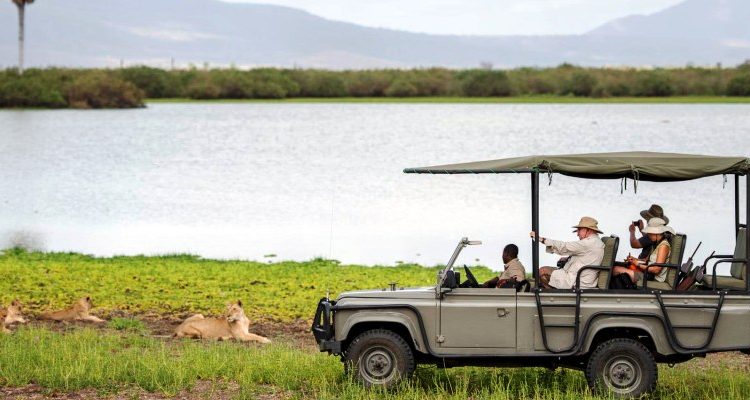
In huge parks like Ruaha or Selous, you can drive for two hours seeing only animals and dust. On an African safari Tanzania, this isolation is a gift. Many people fear “too many tourists,” but these southern parks have low traffic. You stop anywhere to watch a leopard drag a kill up a tree. An African safari Tanzania guide will pull over for as long as you want. No pressure to move for another vehicle. The value is control over your time. Pack snacks and water because remote areas have no shops. You get a private show of nature, which feels honest and rare.
Tasting simple but fresh camp food
Do not expect fancy restaurants. On an African safari Tanzania, meals are cooked on a fire or gas stove rice, beans, grilled meat, vegetables, and fresh fruit. Lunch might be a box with a sandwich and juice while you watch hippos. Many travelers worry about stomach issues, but camps boil water and wash produce safely. An African safari Tanzania cook will ask about allergies. The value is energy. You need protein and carbs for long drives. Eat the hot breakfast porridge; it keeps you full until noon. This is not luxury dining, but it is honest food made by people who know you need fuel.
Crossing rough roads in a safari jeep

Expect dust, bumps, and standing inside the vehicle through the roof. On your first African safari Tanzania, roads are unpaved with deep ruts. You hold onto a bar while the driver avoids holes. This worries people with back problems, but you can ask for a cushioned seat or a slower drive. An African safari Tanzania jeep has pop-up roofs for clear views. The value? Bumpy roads keep crowds away from remote animal spots. Bring a neck pillow and dust mask. After two days, your body adjusts. You stop caring about comfort because every bounce might lead to a cheetah resting under a tree.
Leaving with a sunburn and happy memories

The sun is strong near the equator. On an African safari Tanzania, you will get burned if you forget a hat and sunscreen even on cloudy days. Many first-timers focus on animals and ignore UV rays. An African safari Tanzania guide will remind you, but take it seriously. Wear long sleeves and reapply lotion every two hours. The value is that sunburn means you spent full days outside. You come home with tan lines, dusty clothes, and a camera full of real moments a monkey stealing your bread, a hippo yawning, a vulture landing close. You worried about safety, but you leave with pride.
Best time to go for African safari Tanzania for the first time
For a first-time African safari Tanzania, the best time is the dry season from late June to October. During these months, rain is rare, roads stay firm, and animals gather around rivers and waterholes because bush water dries up. This makes wildlife much easier to spot you will not waste hours driving through thick mud or tall wet grass. The Great Migration’s river crossings in the northern Serengeti happen from July to September, which is a major draw. Daytime temperatures are pleasant (70–80°F / 20–27°C), but mornings are cold, so bring layers. The only downside is that this is peak season, meaning higher prices and more vehicles at famous spots like the Ngorongoro Crater floor. Still, for a beginner on an African safari Tanzania, the ease of finding lions, elephants, and leopards outweighs the crowds.
If you prefer fewer tourists and lower costs, consider the green season (November to March). This period has short afternoon rains that rarely ruin full days of driving. The southern Serengeti and Ngorongoro Crater are still excellent, and from December to March, you can witness wildebeest calving over 8,000 calves born daily. The grass is high, so spotting predators takes more effort, but your guide will manage. Avoid April and May, the long rains, when many lodges close and roads become slippery. For your first African safari Tanzania, weigh your budget against patience for crowds. June to October gives reliable sightings; November to March gives privacy and lower prices. Both work well for beginners.
How to get there for your first time African safari Tanzania

Most international visitors fly into Kilimanjaro International Airport (JRO) near Arusha. From the US or Europe, you take one connecting flight via Doha, Amsterdam, or Istanbul. JRO is small and easy to navigate no long walking between gates. Upon landing, you clear immigration, collect your bags, and meet your safari company’s driver outside. For a first African safari Tanzania, avoid flying into Dar es Salaam unless you want a long drive or separate domestic flight to Arusha. JRO puts you two hours from Lake Manyara and Tarangire, and four hours from Ngorongoro Crater. Book your international flight to arrive by early afternoon so you reach your first lodge before dark. Road transfers are included in most safari packages.
If you are already in East Africa, you can also fly into Arusha’s domestic airport (ARK) from Nairobi, Kenya. Small planes like Coastal Aviation or Precision Air take one hour from Nairobi to Arusha. This option saves road time. For your first African safari Tanzania, ask your tour operator to arrange pickup from either airport. Do not rent a car and drive yourself parks have complex gates, poor signs, and strict rules. Instead, let the professionals handle transport. Some packages include a night in Arusha town before your safari starts. This helps you rest after a long flight. Always confirm airport transfers in writing before you pay
How much an African safari Tanzania can cost you
A first-time African safari Tanzania typically costs between $250 and $1,500 per person per day. Budget camping safaris run $250–$400 daily, including shared tents, basic meals, and group drives. Mid-range lodges cost $400–$800, giving you private bathrooms, better food, and a pop-up roof jeep. Luxury camps go above $800, with hot showers, waiters, and private guides. Your biggest expenses are park fees ($70–$100 per day), a 4x4 vehicle ($200–$300 split among passengers), and a mandatory guide ($150–$250 daily plus tip). Flights to Tanzania are separate $1,000–$2,000 round trip from the US or Europe. For a 5-night African safari Tanzania, budget $2,000–$4,000 total per person for mid-range comfort. Avoid extremely cheap deals under $200/day; they skip park fees or use overcrowded minibuses with broken roofs. Always ask for a written breakdown of entrance fees, accommodation, and transport before booking
Best tips for experiencing your first time African safari Tanzania
Pack neutral-colored clothes (khaki, brown, green) to blend in and avoid mosquito attention. Bring a hat, sunscreen, and a dust mask roads get very dry. Charge your camera batteries fully each night because you will take hundreds of shots. On your first African safari Tanzania, listen more than you talk. Your guide knows where animals hide; follow their hand signals without shouting. Stay seated during sightings; standing suddenly scares animals. Drink water constantly dehydration causes headaches that ruin afternoons. Do not wear perfume or cologne; smells carry far in the bush. Tip your guide $15–$25 per day in cash, and lodge staff $5–$10 per day. Keep a small backpack with wet wipes, snacks, and a spare phone charger.
Lower your expectations for close-up selfies. Animals do not pose. On your first African safari Tanzania, accept that some days you see only zebras and giraffes that is still wonderful. Ask your guide to stop for small things: a dung beetle rolling a ball, a lilac-breasted roller bird. These moments teach more than rushing between lion sightings. Use binoculars before reaching for your camera. Respect the animals’ space; if a lion looks at you directly, you are too close. Do not argue with your guide about driving off-road they follow strict park rules. Finally, leave your drone at home; they are illegal in all national parks.
Best lodges to stay in during your first time African safari Tanzania
Top pick overall for first-timers, Lemala Nanyukie (Serengeti). This camp gives you private plunge pools and large tents with king beds and indoor bathrooms. You wake to zebras grazing right outside, not to noisy roads or other tourists. The staff changes the menu daily, so you eat well without needing fancy restaurants. For a first African safari Tanzania, staying here solves two worries: safety (guides escort you after dark) and animal sightings (you are placed in prime lion and cheetah territory). The price is high but fair for what you get no shared bathrooms or cold showers.
Best on a budget before the parks, Mount Meru Game Lodge (Arusha). This family-run lodge costs under $200 per night and has gardens with resident zebras and colobus monkeys. Rooms are simple but clean with private hot showers. It sits near Kilimanjaro Airport, so you rest after your long flight before driving to Tarangire or Ngorongoro. For your first African safari Tanzania, this lodge removes stress about jet lag and lost luggage. The staff are warm and can store extra bags while you are in the parks. You save money here and spend it on longer game drives instead
Booking African safari Tanzania with Dav safaris
Booking your African safari Tanzania with Dav Safaris is straightforward and keeps you in direct contact with a local operator who knows the parks well . Start by visiting their website to review packages covering the Serengeti, Ngorongoro Crater, and Tarangire, then fill out the inquiry form with your dates and group size. Our team responds with a custom quote that includes park fees, lodging, meals, and a professional guide most packages are all-inclusive, so you avoid surprise costs. For your first African safari Tanzania, this matters because you don't want to worry about separate payments for entry fees or vehicle hire. Past travelers praise their guides for being knowledgeable and keeping families engaged, though a few reviews mention vehicle issues, so ask about our fleet before confirming. You typically pay a deposit (30-50%) to secure your booking, with the balance due on arrival. Contact them directly at info@davsafaris.com or call +256757795781 for the clearest answers and fastest planning