Best time for Tanzania safari tours is June–Oct for wildlife, Serengeti migration, Ngorongoro Crater, Tarangire elephants, and remote southern parks
Wondering when to book your Tanzania safari tours? The answer depends on what you want to see, but most travelers choose the dry season from June to October. During these months, animals crowd around rivers and lakes, grass stays low, and roads remain firm. You will spot elephants, lions, and zebras without searching through thick bush. The Great Migration river crossings happen between July and September in northern Serengeti, while January and February offer calving season in the south with nonstop predator action. March to May brings heavy rain and low prices, which suits budget travelers who do not mind mud. November gives short rains and fewer crowds. Besides timing, you need to pick your parks. The northern circuit holds Serengeti, Ngorongoro Crater, Lake Manyara, and Tarangire, all connected by short drives. Southern parks like Ruaha and Nyerere offer walking safaris and boat trips but cost more to reach. Your health, safety, and budget also shape your trip. This guide covers the best time, places, costs, lodges, and booking tips for Tanzania safari tours, helping you plan a trip that matches your goals without confusing advice
Best Tanzania safari tours now
2-days-tarangire-national-park-and-ngorongoro-crater-safari
3-days-tanzania-safari-in-serengeti-national-park
3-days-tanzania-wildlife-safari
4-days-epic-tanzania-wildlife-and-culture-safari
5-day-kenya-and-tanzania-safari
5-days-circuit-wildlife-safari-in-tanzania
6-days-ndutu-migration-safari-calving-season
8-day-serengeti-ngorongoro-crater-and-zanzibar
8-days-wildlife-and-beach-holiday-tanzania
8-days-wildlife-safari-tanzania
9-days-zanzibar-and-wildlife-safari
10-days-uganda-and-tanzania-safari-gorillas-chimpanzees-and-wildlife
5-days-mount-kilimanjaro-marangu-route
6-days-mount-kilimanjaro-machame-route
What are the places to visit for Tanzania safari tours

The northern circuit holds the most famous places for Tanzania safari tours, starting with the Serengeti National Park, where the Great Migration moves across endless plains and predators follow the herds year-round. Next to it sits the Ngorongoro Crater, a collapsed volcano floor packed with lions, elephants, rhinos, and hippos in a concentrated area you can cover in half a day. Lake Manyara National Park offers tree-climbing lions and large flocks of flamingos along the Rift Valley wall, while Tarangire National Park is known for massive elephant herds and ancient baobab trees during the dry season. Arusha National Park gives you a quick option near the city with walking safaris on Mount Meru, and the Olduvai Gorge museum shows fossil discoveries that explain human origins between Serengeti and Ngorongoro. All these northern locations work well together on a single itinerary, with driving distances of two to five hours between each park, making them the most efficient choice for most Tanzania safari tours.
The southern and western circuits offer remote alternatives for Tanzania safari tours with fewer vehicles and different landscapes. Ruaha National Park is Tanzania's largest park, with high chances of seeing wild dogs and greater kudu, while Selous Game Reserve (now Nyerere National Park) allows walking safaris and boat trips on the Rufiji River, plus it holds the country's largest elephant population. Mahale Mountains National Park is the only place to track wild chimpanzees, accessed by small plane and boat along Lake Tanganyika, and Gombe Stream National Park also offers chimp trekking made famous by Jane Goodall's research. Katavi National Park receives almost no tourists but has huge herds of buffalo and hippo pools during the dry season, while Mikumi National Park works as an easy detour from Dar es Salaam for travelers with limited time. These southern and western options require charter flights and cost more money, but they give you complete solitude and activities like walking or boating that the northern circuit does not allow
Best overall time of year for Tanzania safari tours (best time for Tanzania safari)
1. Dry Season of June to October Is Best for Most People
The dry season from June to October is the best time for Tanzania safari tours because animals gather at rivers and lakes. You will see elephants, lions, and zebras without searching through tall grass. Roads stay firm and easy to drive, so you cover more ground each day. This period matches the best time for Tanzania safari tours for first-time visitors who want reliable sightings. Mornings are cool, but afternoons stay pleasant. Many tour operators run their main schedules now, so you have many options. Book your Tanzania safari tours four to six months ahead, because lodges fill quickly during these months.

2. Great Migration River Crossings Happen July to September
Between July and September, Tanzania safari tours focus on the Mara River in the northern Serengeti. Thousands of wildebeest and zebras cross the river, and crocodiles wait for them. This event draws many travelers, so camps near the river cost more money. If your main goal is to see this crossing, plan your Tanzania safari tours for August. That month usually has the highest number of crossing attempts. However, no one predicts the exact day, so stay at least three nights near the river. The best time for Tanzania safari tours for action lovers is clearly this narrow window each year.

3. January and February Offer Calving Season in the South
January and February are the best time for Tanzania safari tours for seeing predator action. Around 8,000 wildebeest calves are born each day in the southern Serengeti. Lions, leopards, and hyenas follow the herds closely. You will see hunts more often than in any other months. Tanzania safari tours during this period have fewer tourists than the dry season, so vehicles do not crowd around sightings. The short rains end by December, so the grass stays low enough for good viewing. Afternoon showers happen sometimes, but they do not stop game drives. This window gives you excellent value for your money.

4. March to May Is Low Season with Heavy Rain
From March to May, most Tanzania safari tours become difficult due to long rains. Roads turn to mud, and some camps close completely. Wildlife spreads out because water is everywhere, so finding animals takes more time. This is not the best time for Tanzania safari tours unless you have a low budget. Lodge prices drop by half or more, and you will have parks nearly to yourself. If you choose this period, ask your operator about 4x4 vehicles with good tires. You should also pack waterproof bags and boots. Only experienced travelers who do not mind rain should book Tanzania safari tours in these months.
5. November Has Short Rains but Good Wildlife
November brings short afternoon rains to northern Tanzania. Most Tanzania safari tours still run normally because mornings stay dry. The rains make the landscape green again after the dry season, which looks nice for photos. Animals start moving south toward the calving grounds. This month is a hidden best time for Tanzania safari tours for budget travelers who want decent weather. Crowds are gone after October, so you get lower rates without heavy rain. Book Tanzania safari tours for early November rather than late November, because rains increase as the month goes on. You will see plenty of wildlife without the high season prices.
6. Weather Conditions Affect Your Comfort and Safety
Temperature changes with altitude, so pack layers for any Tanzania safari tours. The northern parks like Ngorongoro Crater get cold at night, sometimes near freezing from June to August. Lowland parks like Tarangire stay hot all year. The best time for Tanzania safari tours for comfort is June through August, when humidity is low and skies are clear. If you dislike cold mornings, choose September or October instead. Those months are still dry but slightly warmer. Always ask your tour operator about specific lodge conditions. Knowing the weather helps you pack right for Tanzania safari tours and avoid being too hot or too cold.
7. Crowds and Prices Change Dramatically by Season
High season from June to October brings the highest prices for Tanzania safari tours. A lodge that costs 300 dollars in April may cost 600 dollars in July. Vehicle fees and park entry fees stay the same, but accommodation costs change. The best time for Tanzania safari tours for saving money is April and May, when prices drop by 40 to 50 percent. However, you accept rain risks. Shoulder months like November and February give a middle ground: lower crowds than peak season but better weather than wet months. Compare three different dates for Tanzania safari tours before booking to see the price difference.
8. How to Choose Based on Your Main Goal
Write down your number one goal before booking Tanzania safari tours. If you want to see lions hunting, choose January or February for calving season. If you want dry roads and easy driving, choose June through October. If you want the river crossing, choose August or September. If you want low prices, choose April or May. No single best time for Tanzania safari tours works for every person. Be honest about what matters most to you. Do you have limited days? Then pick dry season for reliable sightings. Do you have a tight budget? Then risk the rain. Your answer decides when to book Tanzania safari tours.
Best safari activities to do on Tanzania safari tours at best time
1. Game Drives During Dry Season Morning and Evening
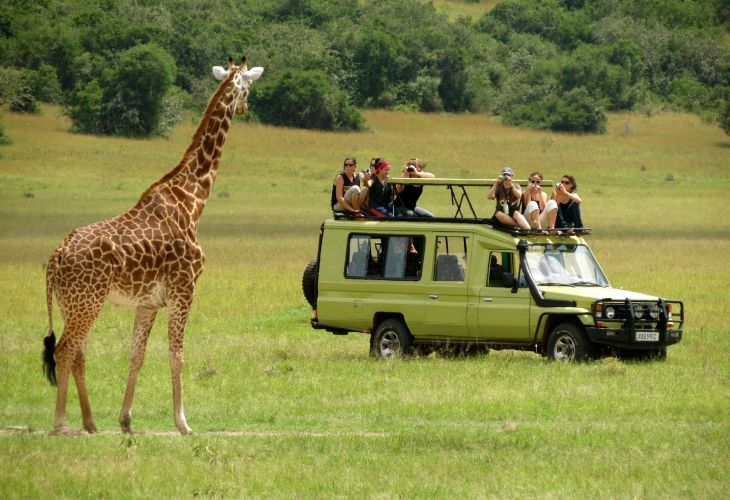
Morning and evening game drives give you the highest chance to see active wildlife on Tanzania safari tours. Animals come out of hiding when temperatures are cool, especially lions, leopards, and hyenas. The best time for Tanzania safari tours for these drives is June through October, when vegetation is thin and animals gather at rivers. You should leave camp at sunrise and return before lunch, then go out again at 4 PM until dark. Drivers use radios to share sightings, so you move quickly to find predators. Pack binoculars and a warm jacket because mornings are cold. Most Tanzania safari tours include two drives per day, giving you about eight hours of actual animal viewing. This schedule matches animal behavior perfectly, so you see more than if you drive all day.
2. Walking Safaris for Learning Animal Signs
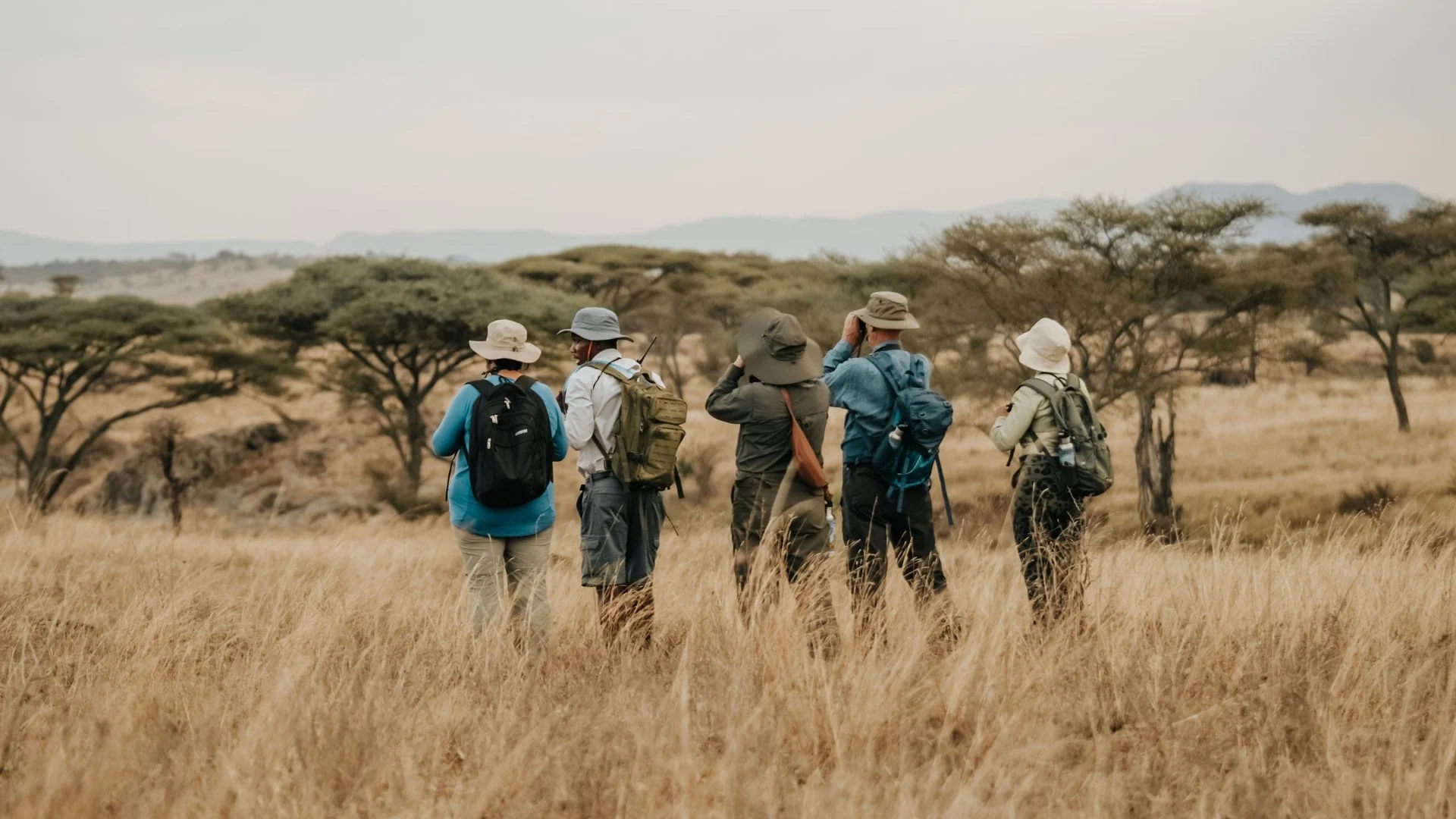
Walking safaris let you leave the vehicle and follow animal tracks on foot with an armed guide. This activity works best during the dry season from June to October, when bush is open and ground is firm. You learn to identify dung, footprints, and feeding marks left by elephants and giraffes. The guide explains how different species react to human presence. Walking safaris are not about getting close to dangerous animals. Instead, you understand how Tanzania safari tours show you the small details that vehicles miss. This activity usually lasts two to three hours and happens early morning. Only certain concessions like Selous or private reserves allow walking. Ask your operator if walking safaris are included in your Tanzania safari tours.
3. Night Drives to See Nocturnal Animals
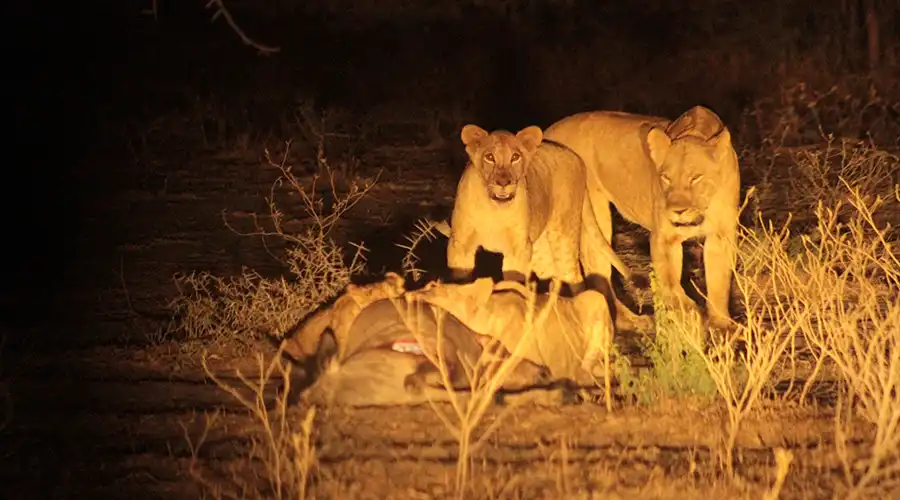
Night drives use spotlights to find animals that hide during daylight hours. You will see genets, civets, bush babies, and sometimes leopards moving after dark. This activity is not allowed inside national parks like Serengeti or Ngorongoro. You need to book Tanzania safari tours that include private conservancies or game reserves outside those parks. The best time for Tanzania safari tours for night drives is the dry months, because rain makes roads slippery and dangerous after sunset. Drives start around 7 PM and last two to three hours. Guides use red filters on lights to avoid blinding animals. Night drives add a completely different layer to Tanzania safari tours, showing you how the bush changes when the sun goes down. Many travelers say this is their favorite memory.
4. Hot Air Balloon Rides Over the Serengeti
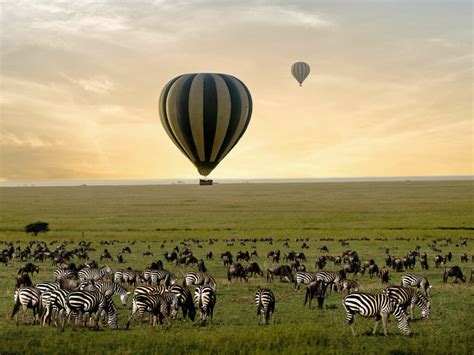
A hot air balloon ride lifts you above the plains at sunrise for a broad view of migrating herds. You see the size of wildebeest groups from above, which no ground vehicle can show. This activity costs between 500 and 600 dollars per person, so it is an extra expense on Tanzania safari tours. The best time for Tanzania safari tours for balloon rides is July through October, when animals are concentrated in the northern Serengeti near the Mara River. The ride lasts about one hour, followed by a breakfast setup in the bush. Book this at least three months ahead because only a few balloons operate each morning. Balloon rides do not replace game drives but add a different viewpoint to your Tanzania safari tours.
5. Cultural Visits to Maasai Villages
Visiting a Maasai village gives you a break from driving and shows how local people live alongside wildlife. You see traditional houses made of mud and cow dung, and you watch jumping dances performed by young men. The best time for Tanzania safari tours for village visits is any dry month, because wet mud makes walking through the village unpleasant. These visits cost about 30 to 50 dollars per person, paid directly to the village chief. Guides translate questions and answers so you can ask about daily life, cattle herding, and school for children. Many Tanzania safari tours include one village visit as an optional add-on. Keep your visit to one hour maximum, as longer stays feel awkward for both you and the residents.
6. Canoe Safaris on Rivers and Lakes
Canoe safaris put you on the water at eye level with hippos, crocodiles, and water birds. This activity happens on calm rivers like the Rufiji in Selous or lakes within Arusha National Park. The best time for Tanzania safari tours for canoeing is the dry season from June to October, when water levels are low and animals gather near the shores. You paddle slowly with a guide in front, keeping safe distance from aggressive hippos. Canoe safaris last two to three hours and require no prior experience. You see kingfishers, herons, and sometimes elephants drinking from the bank. This activity breaks the routine of sitting in a vehicle all day. Many Tanzania safari tours offer canoeing as an optional half-day excursion, but only in parks without crocodile-heavy waters.
7. Bird Watching Walks in Wetlands
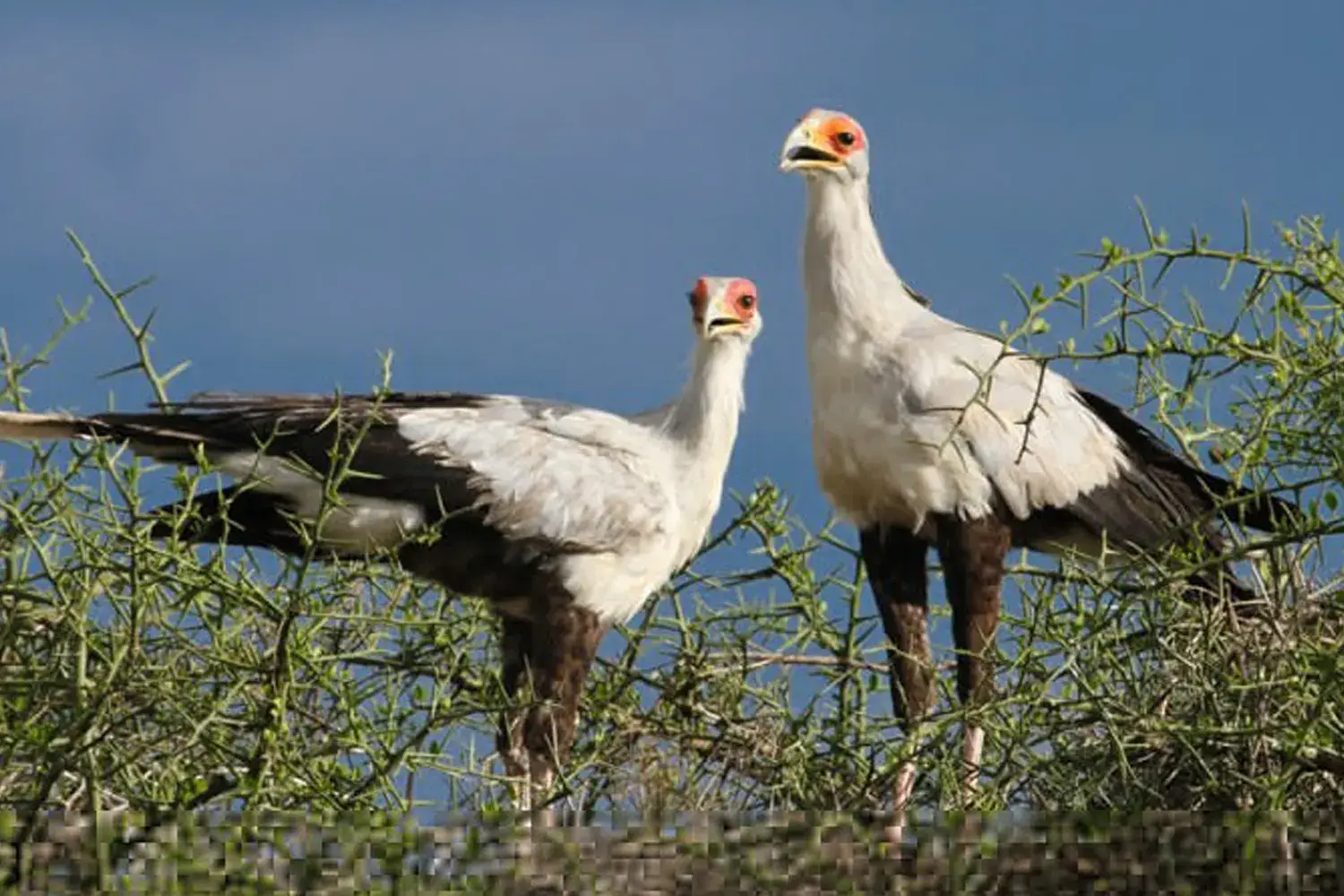
Tanzania has over 1,100 bird species, and a focused bird walk helps you spot them. You look for lilac-breasted rollers, fish eagles, ostriches, and flamingos in areas like Lake Manyara or the Ngorongoro Crater floor. The best time for Tanzania safari tours for bird watching is November through April, when migratory birds from Europe and northern Africa arrive. Carry a small field guide and check off species as you see them. Walks happen in the morning when birds feed and call loudly. You do not need special equipment beyond binoculars. Most Tanzania safari tours do not emphasize birds unless you ask, so tell your guide you want to focus on them. Bird watching adds variety between big mammal sightings and works well for travelers who enjoy quiet observation
How do travelers get to Tanzania safari tours
Most travelers fly into Kilimanjaro International Airport (JRO) near Arusha or Julius Nyerere International Airport (DAR) in Dar es Salaam. JRO is the main entry for northern circuit Tanzania safari tours, including Serengeti and Ngorongoro, with connecting flights from Europe, Qatar, Turkey, and Ethiopia. From JRO, you drive one hour to Arusha town, where most Tanzania safari tours begin. DAR works better for southern parks like Selous or Ruaha, with small charter flights from Dar es Salaam to remote airstrips. Some travelers use Nairobi, Kenya, then take a shuttle bus or connecting flight to Arusha. Visa fees are 50 dollars for most nationalities, paid on arrival or online. Once you book Tanzania safari tours, your operator arranges airport pickup and transfer to your first lodge

How much does Tanzania safari tours
Tanzania safari tours cost between 200 and 1,500 US dollars per person per day, depending heavily on your accommodation choice and travel style . A budget camping safari starts around 200 to 350 dollars daily, while mid-range lodge safaris run 350 to 800 dollars per person per day, and luxury options exceed 850 dollars daily . For a typical 5 to 7 day itinerary, total costs range from 1,750 dollars for budget trips to over 12,000 dollars for luxury experiences . Park fees make up a significant portion, with Serengeti entry at about 70 dollars per day and Ngorongoro Crater requiring a 295 dollar vehicle fee . Your quoted price usually includes a 4x4 vehicle, professional guide, full board meals, park fees, and accommodation . Traveling during low season from April to May can reduce prices by 25 to 40 percent, while peak season from June to October commands premium rates . Group tours lower per person costs, with 2-day trips from 723 dollars and 8-day safaris around 4,380 dollars . The final cost of your Tanzania safari tours depends on how many days you spend, which parks you visit, and whether you choose private or shared vehicles
Best health, safety and cultural tips for Tanzania safari tours
Health on Tanzania safari tours, you need a yellow fever vaccine if arriving from a country with risk, and most travelers take malaria pills because mosquitoes are active year-round. Carry a strong insect repellent with DEET, sleep under a mosquito net provided by lodges, and wear long sleeves in the evening. Drink only bottled or filtered water, avoid ice from street vendors, and wash your hands before every meal. Pack a basic first aid kit with anti-diarrhea medicine, pain relievers, bandages, and hand sanitizer. For safety, listen to your guide at all times and never leave the vehicle on game drives unless told to do so. Do not walk between lodges at night because wild animals roam freely, including hyenas and leopards. Keep your passport, cash, and credit cards in a hotel safe, and only carry small money for tips. Travel insurance that covers medical evacuation is required by most Tanzania safari tours, because serious injuries need air transfer to Nairobi.
For cultural tips, ask permission before photographing Maasai people, and expect to pay a small fee of 5 to 10 dollars for each photo. Dress modestly in villages by covering your shoulders and knees, because showing too much skin offends local customs. Use your right hand to give money or take food, as the left hand is considered unclean. Learn a few Swahili words like "Jambo" (hello) and "Asante" (thank you), which locals appreciate even if you say them badly. Do not give candy or money to children directly, as this encourages begging; instead donate to a local school or guide's village project. Bargaining is expected at markets, but keep it friendly and fair. Most Tanzania safari tours include a village visit, so follow your guide's lead on behavior. Remove your shoes before entering a Maasai home, and do not touch the livestock or enter cattle enclosures without permission
Best lodges to stay in on Tanzania safari tours
The best lodges for Tanzania safari tours depend on your budget and which parks you visit, but several properties stand out for quality and value across the northern circuit. For luxury travelers, the Four Seasons Safari Lodge Serengeti offers infinity pools with wildlife views and spacious villas in central Serengeti, while &Beyond Ngorongoro Crater Lodge sits right on the crater rim with opulent design . Lemala properties receive excellent guest reviews, with Nanyukie Lodge in northern Serengeti featuring private plunge pools and Osonjoi Lodge near Ngorongoro offering heated indoor pools . For mid-range budgets, Tarangire Safari Lodge provides prime river views of elephant herds, Ngorongoro Farm House delivers cozy cottages on a coffee plantation near the crater, and Kubu Kubu Tented Lodge in central Serengeti combines modern amenities with traditional safari feel . For a unique experience inside Lake Manyara National Park, &Beyond Lake Manyara Tree Lodge has stilted treehouse suites in ancient mahogany forest . Budget travelers can find good options at Marera Valley Lodge near Karatu or Serengeti Acacia Camps that move with the migration
Booking Tanzania safari tours with Dav safaris
Booking Tanzania safari tours with Dav Safaris is a simple process that starts on their website, where you can explore various packages for Serengeti, Ngorongoro, and other northern parks. You fill out an inquiry form with your travel dates, group size, and budget, then their team responds with customized options and a clear quote. Dav Safaris focuses on small group sizes and uses experienced guides who know animal behavior and park roads well. For budget travelers, we offer affordable Tanzania safari tours with mid-range lodges or camping options, and they are transparent about what is included in the price. A deposit of 30 to 50 percent secures your booking, and you pay the rest on arrival using cash or card. Past travelers on TripAdvisor and SafariBookings praise their communication, knowledgeable guides like Julius, and well-organized itineraries. You can also add Zanzibar beach days or Kilimanjaro climbs to your Tanzania safari tours through the same booking process. Contact them directly via email at info@davsafaris.com or phone at +256-757-795-781 for a fast response