Masai Mara National Park safari offers Great Migration crossings, Big Five sightings, hot air balloon rides, and rich Maasai culture year‑round
A Masai Mara National Park safari is widely regarded as the ultimate Kenya safari experience, offering travelers unmatched wildlife action and cultural depth. Covering over 1,500 square kilometers of open plains, river valleys, and escarpments, the park is home to the Great Migration, where millions of wildebeest and zebras cross the Mara River each year. Beyond this spectacle, the Mara boasts Africa’s highest predator density, ensuring daily sightings of lions, leopards, and cheetahs. Visitors also enjoy reliable Big Five encounters, sunrise hot air balloon rides, and exclusive activities in private conservancies such as night drives and walking safaris. Cultural visits to Maasai villages add human connection to the wildlife adventure, while diverse landscapes keep every game drive fresh. With year‑round wildlife viewing, easy access from Nairobi, and accommodation options for all budgets, a Masai Mara National Park safari combines convenience, variety, and extraordinary natural drama in one destination
Best Kenya safari packages
10-days-wildlife-kenya-and-tanzania-safari
10-days-best-of-kenya-safari-holiday
10-days-kenya-wildlife-safari-and-diani-beach-holiday
10-days-kenya-uganda-wildlife-safari---gorilla-and-chimpanzees-trekking
8-days-magical-kenya-wildlife-safari
7-days-kenya-wildlife-safari-tour
5-days-amboseli-and-tsavo-west-wildlife-safari
3-days-amboseli-national-park-safaris
Why Masai Mara National Park Safari is Best for Kenya Safari
The Great Migration River Crossings from July–October

The Great Migration is the highlight of any Masai Mara national park safari, especially when herds cross the Mara River between July and October. Over 1.5 million wildebeest and zebras gather at the banks, facing crocodiles in the water and predators waiting nearby. This dramatic event happens daily during peak season, giving travelers unmatched wildlife action. Guides use radios to track herds so you don’t waste time at empty crossings, and patience pays off as animals may hesitate for hours before plunging in. A Masai Mara national park safari during this period ensures you witness one of nature’s most intense spectacles, making it the top choice for migration viewing in Kenya.
Highest Predator Density in Africa

A Masai Mara national park safari offers unmatched predator sightings thanks to the highest density of lions, leopards, and cheetahs in Africa. With over 850 lions, 100+ leopards, and 50+ cheetahs in the ecosystem, you often see multiple prides or hunting scenes in a single drive. Cheetahs are easier to spot here than leopards because they prefer open grasslands. Private conservancies around the reserve allow night drives, giving you a chance to watch lions and hyenas hunting after dark. For travelers focused on big cats, a Masai Mara national park safari guarantees daily action, making it the best destination for predator viewing in Kenya.
Year-Round Big Five Sightings with 95% Success Rate

Unlike other parks where rhinos are rare, a Masai Mara national park safari gives you a 95% chance of seeing the Big Five in just three days. Lions and leopards thrive in the grasslands, elephants roam in large herds, buffalo gather by the hundreds, and black rhinos are protected in the Mara Triangle. The open terrain means animals are visible without long searches. Guides share sightings by radio, ensuring you maximize your time. For travelers who want reliable Big Five encounters, a Masai Mara national park safari is the most efficient option in Kenya, saving days of searching compared to other reserves.
Hot Air Balloon Safaris at Sunrise

A Masai Mara national park safari becomes even more memorable with a sunrise hot air balloon ride. Floating silently above the plains, you see herds of wildebeest, elephants, and giraffes moving below. The one-hour flight ends with a champagne breakfast in the bush, adding a special touch. Though the cost ranges from 450 to 600 US dollars per person, many travelers consider it worth the expense. Booking early is essential, especially during migration season. A Masai Mara national park safari with a balloon ride gives you a perspective no vehicle can match, showing the vastness of the ecosystem in one sweeping view.
Private Conservancies with Night Drives and Walking Safaris

Private conservancies around the reserve make a Masai Mara national park safari more exclusive. Unlike the main park, conservancies allow night drives where you spot bushbabies, aardvarks, and lions hunting. Walking safaris with armed rangers let you track animals on foot and notice smaller creatures vehicles miss. Vehicle numbers are limited, so you avoid crowded sightings. Staying in a conservancy also supports Maasai landowners, ensuring wildlife protection. For travelers who want more than standard game drives, a Masai Mara national park safari in a conservancy offers unique activities and a quieter, more personal wildlife experience.
Cultural Visits to Authentic Maasai Villages
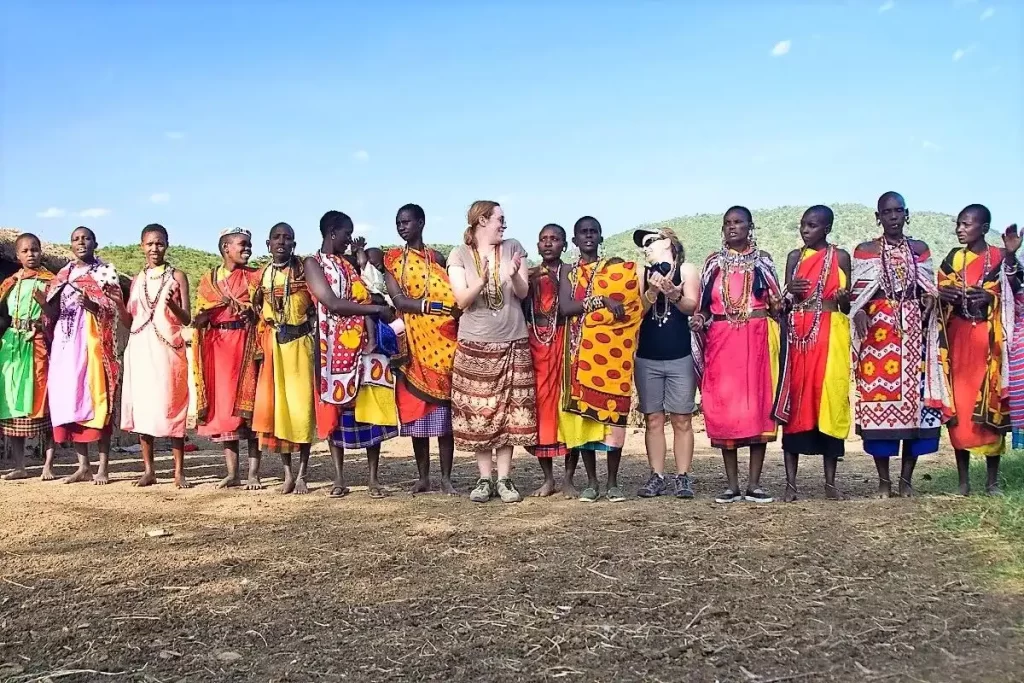
A Masai Mara national park safari is not only about wildlife it also connects you with Maasai culture. Visiting a village, you see traditional dances, beadwork, and daily life inside mud-and-dung houses. Guides translate as you learn how families protect livestock and manage resources. Buying jewelry directly from the women supports the community. Choosing villages away from lodges ensures the experience feels genuine. A Masai Mara national park safari with a cultural visit adds depth to your trip, showing how people live alongside wildlife and enriching your understanding of Kenya beyond the animals.
Diverse Scenery from Rivers to Open Plains
The landscapes make a Masai Mara national park safari varied and engaging. The Mara River is filled with hippos and crocodiles, while the Mara Triangle offers swampy grounds that attract wildlife year-round. Open plains near Talek Gate are perfect for watching cheetahs hunt, and the Oloololo Escarpment provides sweeping sunset views. This diversity keeps drives fresh, even on longer safaris. Photographers benefit from multiple Backdrops Rivers, plains, and escarpments all in one trip. A Masai Mara national park safari ensures you never feel repetitive, with each area offering new sights and experiences across its 1,510 square kilometers.
Reliable Wildlife Viewing in Every Season
A Masai Mara national park safari delivers consistent wildlife viewing no matter the month. From July to October, you see migration crossings. December to March brings predator activity as animals gather near water. April to June offers green landscapes, newborn animals, and fewer tourists. Permanent rivers keep wildlife close even in dry months. Unlike parks where seasons limit sightings, the Mara works year-round. For travelers with fixed dates, a Masai Mara national park safari guarantees strong wildlife action without worrying about timing, making it the most dependable safari destination in Kenya.
Easy Access from Nairobi with Multiple Options
Reaching the reserve is simple, making a Masai Mara national park safari practical for travelers with limited time. Flights from Nairobi’s Wilson Airport take just 45 minutes, landing at airstrips inside the park. Driving takes five to six hours on paved roads, with budget options like public minibuses available. Accommodation ranges from affordable campsites to luxury lodges, fitting all budgets. Easy access means more time watching animals instead of traveling. A Masai Mara national park safari is the most convenient choice in Kenya, combining accessibility with diverse lodging options for every traveler.
Birdwatching with Over 500 Species

A Masai Mara national park safari is not only about big mammals it also offers rich birdlife. With over 570 species, including 60 birds of prey, the variety is impressive. You see lilac-breasted rollers, martial eagles, secretary birds, and kingfishers along the Mara River. Birdwatching peaks from December to March when migratory species arrive, but resident birds remain year-round. Binoculars help spot smaller species, and even non-birdwatchers are drawn to the colors and behaviors. A Masai Mara national park safari ensures a complete wildlife experience, combining the Big Five with vibrant birdlife for a balanced and rewarding safari
When is the best time to experience Masai Mara national park safari
The best time for a Masai Mara National Park safari depends on what you want to see most. From July to October, the park hosts the famous Great Migration, when over a million wildebeest and zebras cross the Mara River. This period offers dramatic wildlife action with crocodiles in the water and predators waiting nearby. It’s the busiest season, so expect higher prices and more vehicles at sightings, but the spectacle is unmatched. If witnessing the migration is your priority, this window is the most rewarding.

Outside the migration months, a Masai Mara National Park safari still delivers excellent wildlife viewing. From December to March, predator activity peaks as animals gather near water sources, making big cat sightings frequent. April to June brings green landscapes, newborn animals, and fewer tourists, offering quieter safaris at lower costs. Because the Mara has permanent rivers and diverse habitats, wildlife remains visible year-round, making it a reliable destination no matter your travel dates.
Is there night safari in Masai Mara?
Night drives are not allowed inside the main reserve, but a Masai Mara National Park safari can include them if you stay in private conservancies such as Naboisho or Olare Motorogi. These areas are managed separately and permit guided night drives with spotlights. You may see nocturnal animals like bushbabies, genets, aardvarks, and predators such as lions and hyenas hunting after dark. The experience is safe because guides follow marked tracks and avoid disturbing wildlife. Choosing a lodge in a conservancy adds this option to your Masai Mara National Park safari, giving you a chance to witness behaviors that are hidden during daylight hours
Is Masai Mara the best safari?
Many travelers consider a Masai Mara National Park safari the best in Kenya because of its unmatched wildlife density and year-round viewing opportunities. The park consistently delivers Big Five sightings, has the highest predator population in Africa, and hosts the dramatic Great Migration river crossings. Accessibility from Nairobi and a wide range of accommodation options make it practical for all budgets. Compared to other parks, the Mara offers more variety in landscapes and activities, especially when combined with private conservancies. A Masai Mara National Park safari balances convenience, reliability, and extraordinary wildlife action, making it the top choice for most visitors seeking the ultimate Kenyan safari experience
Which is the most famous safari park in Kenya?
The most famous safari park in Kenya is the Masai Mara, and a Masai Mara National Park safari is often seen as the country’s flagship wildlife experience. Its reputation comes from hosting the Great Migration, where millions of wildebeest and zebras cross the Mara River each year. The park’s predator density, Big Five sightings, and diverse habitats make it globally recognized. While Amboseli and Tsavo are also popular, they cannot match the Mara’s combination of accessibility, wildlife numbers, and dramatic events. A Masai Mara National Park safari is therefore the most well-known and widely promoted option for travelers seeking Kenya’s premier safari destination.
What is Masai Mara National Park famous for?
A Masai Mara National Park safari is famous for the Great Migration, where herds of wildebeest and zebras cross the Mara River between July and October. This event is considered one of the world’s greatest wildlife spectacles. The park is also renowned for its high predator density, with lions, leopards, and cheetahs seen daily. Year-round Big Five sightings, diverse birdlife, and cultural visits to Maasai villages add to its reputation. The variety of landscapes, from open plains to river valleys, makes photography rewarding. A Masai Mara National Park safari is celebrated worldwide for combining dramatic wildlife action with cultural depth and reliable viewing across all seasons
What is the 12 hour rule for Masai Mara?
The 12-hour rule applies to game drives inside the reserve, meaning vehicles must operate only between 6:00 a.m. and 6:00 p.m. A Masai Mara National Park safari follows this regulation to protect wildlife and reduce disturbance after dark. Night drives are restricted to private conservancies outside the main reserve. This rule ensures animals have quiet hours without vehicle activity, supporting conservation efforts. For visitors, it means planning drives carefully to maximize sightings during daylight. A Masai Mara National Park safari still offers plenty of action within these hours, as predators hunt in early morning and late afternoon, while herbivores remain active throughout the day
What to pack for Masai Mara National Park safari
When preparing for a Masai Mara National Park safari, pack light but smart to cover both comfort and practicality. Neutral-colored clothing such as khaki, brown, or olive works best since it blends into the environment and avoids attracting insects. Bring layers because mornings and evenings can be cold while midday gets hot. A wide-brim hat, sunglasses, and sunscreen are essential for sun protection. Comfortable walking shoes or boots are useful, even if most drives are in vehicles. Binoculars and a good camera with extra batteries help capture wildlife moments. Include insect repellent, personal medications, and a reusable water bottle. A small backpack for daily essentials makes game drives easier. Packing these items ensures your Masai Mara National Park safari is safe, comfortable, and focused on enjoying the wildlife rather than worrying about missing gear
Best lodges and camps to stay in on Masai Mara National Park safari
For a Masai Mara National Park safari, you’ll find a wide range of lodges and camps that cater to different budgets and preferences, all designed to maximize your wildlife experience. Luxury options like Angama Mara and Cottar’s 1920s Camp provide stunning views, personalized service, and prime access to migration crossings. Mid-range tented camps such as Kichwa Tembo and Sand River Masai Mara combine comfort with authentic safari atmosphere, while eco-friendly choices like Porini Lion Camp in Olare Motorogi Conservancy offer close predator sightings with fewer vehicles. For travelers seeking intimacy, Little Governors’ Camp and Naboisho Camp deliver quieter stays with unique activities like walking safaris and night drives. Whether you want vintage charm, modern luxury, or budget-friendly camping, the Masai Mara National Park safari has accommodation options that match your style while keeping you close to the action
Booking Masai Mara National Park safari with Dav safaris
Booking a Masai Mara National Park safari with Dav Safaris ensures a well‑planned, value‑driven experience tailored to your needs. As specialists in East African safaris, Dav Safaris organizes every detail from transport and accommodation to guided game drives so you spend more time enjoying wildlife and less time worrying about logistics. Our itineraries cover the Great Migration, Big Five sightings, hot air balloon rides, and cultural visits to Maasai villages, giving you a complete safari package. With strong local knowledge and partnerships, Dav Safaris matches travelers to lodges and camps that fit their budget and style, whether luxury or mid‑range. Choosing Dav Safaris for your Masai Mara National Park safari means reliable planning, expert guides, and personalized service that maximizes your time in Kenya’s most famous reserve