First-time Tanzania safari tours highlight Serengeti, Ngorongoro, Tarangire, Lake Manyara, and Zanzibar for wildlife, scenery, and relaxation
Are you wondering where to travel for the first time on Tanzania safari tours? Tanzania offers some of the most iconic wildlife destinations in Africa, making it ideal for first‑time safari travelers. The Serengeti National Park is the crown jewel, famous for the Great Migration and thrilling predator action across its vast plains. Ngorongoro Crater provides a compact yet unforgettable experience, where the Big Five can often be spotted in a single morning. Tarangire National Park adds a quieter touch, with massive elephant herds and striking baobab landscapes, while Lake Manyara offers a short but rewarding stop with tree‑climbing lions and vibrant birdlife. Together, these parks create a balanced introduction to Tanzania’s safari circuit.
After days of game drives, many travelers choose to unwind on Zanzibar’s pristine beaches. This island retreat complements the safari adventure with turquoise waters, fresh seafood, and cultural charm in Stone Town. Combining wildlife thrills with coastal relaxation ensures a well‑rounded first‑time safari experience. Whether you seek dramatic predator hunts, close‑up encounters with elephants, or a peaceful end by the ocean, Tanzania delivers variety and value in one journey. It’s a destination that blends adventure, scenery, and comfort, making it perfect for your first safari holiday
Best Tanzania safari tours now
2-days-tarangire-national-park-and-ngorongoro-crater-safari
3-days-tanzania-safari-in-serengeti-national-park
3-days-tanzania-wildlife-safari
4-days-epic-tanzania-wildlife-and-culture-safari
5-day-kenya-and-tanzania-safari
5-days-circuit-wildlife-safari-in-tanzania
6-days-ndutu-migration-safari-calving-season
8-day-serengeti-ngorongoro-crater-and-zanzibar
8-days-wildlife-and-beach-holiday-tanzania
Where to travel for the first time on Tanzania safari tours
1. Serengeti National Park
The Serengeti is the main reason most people book Tanzania safari tours for the first time. You go here to see the Great Migration, where over two million wildebeest and zebra move across the plains. This park has open land, so you spot animals from far away. Lions, cheetahs, and leopards hunt in front of you. The roads are good for driving, and lodges range from budget tents to fixed camps. Do not worry about getting lost. Guides know every path. The dry season from June to October gives you the best views because animals gather at rivers. If you want a true safari with big action, the Serengeti delivers. Many first-time Tanzania safari tours spend three or four days here to cover the central and northern parts where most wildlife stays.

2. Ngorongoro Crater
Ngorongoro is a collapsed volcano with a flat floor. Animals cannot leave because of the steep walls, so you see nearly everything in one morning. This place works well for Tanzania safari tours when you have limited time. The crater holds about 25,000 animals including elephants, lions, buffalo, and the rare black rhino. Your vehicle drives down a rough road early in the morning. By 9 AM, you may see the Big Five. The crater floor has grass, a lake, and open ground, so nothing hides. You stay on the rim overnight, then drive down at sunrise. This saves you travel time. For first-timers worried about missing animals, Ngorongoro solves that problem. It is small, busy, and effective. Most Tanzania safari tours include it as a two-day stop between Serengeti and Tarangire.

3. Tarangire National Park
Tarangire has the largest number of elephants in the country. You see herds of 200 or more near the river during dry months. This park works well for Tanzania safari tours that need a quiet start. It is less crowded than Serengeti, so you watch animals without fighting for space. The land has baobab trees and swamps, which attract zebra, wildebeest, and giraffes. Lions climb these trees to rest. The dry season from June to October forces animals to stay near the river, so driving is short and sightings are easy. You do not need to drive far between animals. For first-time visitors who worry about long car rides, Tarangire solves that. The park is close to Arusha town. Many Tanzania safari tours start here for one or two days before moving north.

4. Lake Manyara National Park
Lake Manyara is a small park good for a half-day stop. You drive along the lake shore and see flamingos, pelicans, and storks near the water. The main attraction is tree-climbing lions, which rest on acacia branches during the day. This park works for Tanzania safari tours when you break up a long drive between Tarangire and Ngorongoro. The road passes right through the park gate. You enter in the morning, drive slowly for three hours, and exit by lunch. Baboons and elephants block the road. You wait and watch. The ground is flat and easy to drive. For first-time visitors who want variety without extra cost, Lake Manyara adds value. You see birds, monkeys, and cats in one short loop. Most Tanzania safari tours include it as a four-hour add-on.
5. Zanzibar
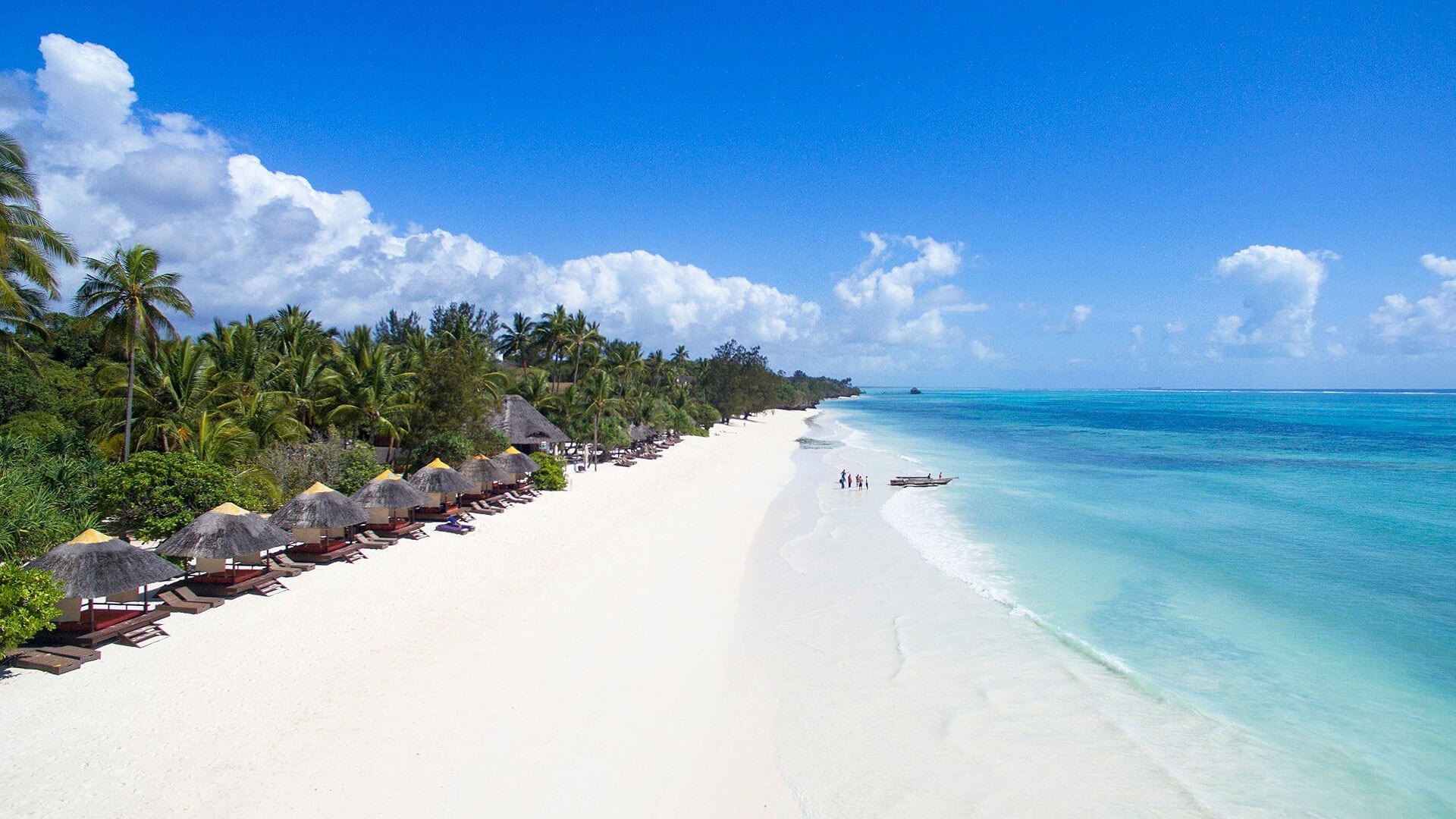
Zanzibar is not a safari park but a beach island. You fly here after finishing Tanzania safari tours on the mainland. The island solves a common problem: tired legs and dusty clothes after days of driving. Zanzibar has white sand beaches, clear water, and cheap seafood. You rest in a simple bungalow. Stone Town has old shops and narrow streets where you walk without a guide. Snorkeling trips leave from the beach and cost little money. For first-time visitors who worry about safari being too rough or too long, Zanzibar gives you a soft end. You clean up, sleep well, and swim. Many Tanzania safari tours offer a combined package: one week in parks, then three days on the island. Flights from Serengeti to Zanzibar take about two hours
Best safari activities to do on Tanzania safari tours by first timers
1. Morning Game Drives
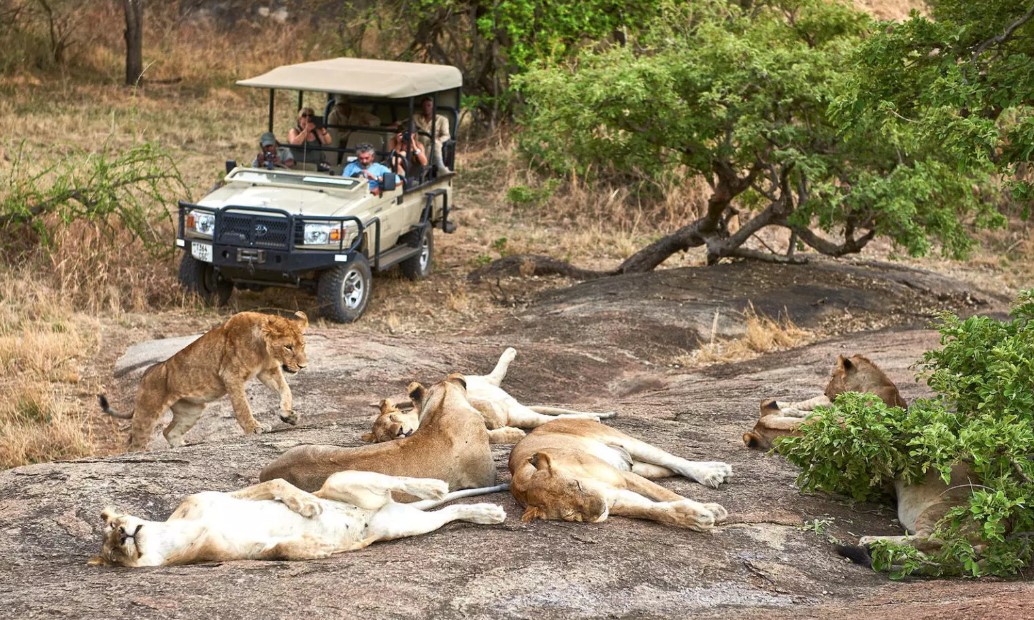
A morning game drive is the first activity you do on Tanzania safari tours. You leave your lodge at 6 AM when animals are most active. Lions hunt, elephants walk to water, and leopards move back to their trees. The sun is low, so you see well without harsh light. Most Tanzania safari tours include two to three hours of morning driving before breakfast. You stay inside a open-roof vehicle. The guide stops whenever you spot something. This activity solves the problem of heat. After 10 AM, animals rest in shade. Morning drives give you the best chance to see predators. Bring a jacket because mornings are cold. Do not skip this activity. It is the main reason people book safaris.
2. Afternoon Game Drives
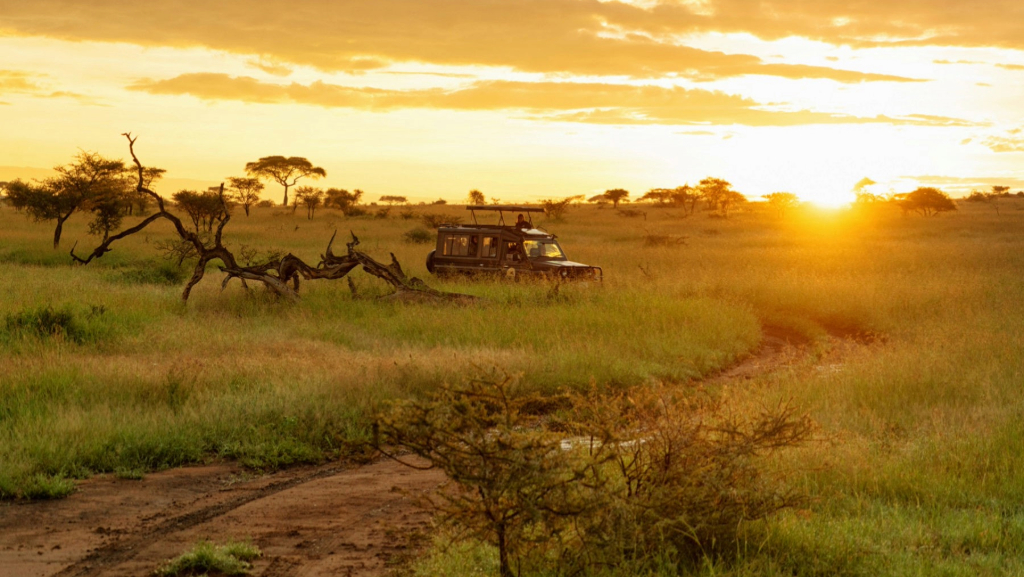
Afternoon drives start at 3 PM and go until sunset. This is the second most common activity on Tanzania safari tours. Animals wake up from their midday sleep and start moving again. You see lions stretching, elephants eating leaves, and zebras walking to rivers. The light turns golden for good photos. Many Tanzania safari tours combine morning and afternoon drives on the same day. You rest at the lodge during hot hours. Afternoon drives solve the problem of missing animals that sleep all day. You cover different areas than the morning route. Guides use radio calls to find recent sightings. Bring water and sunglasses. This activity gives you a second chance to see anything you missed earlier.
3. Full Day Game Drive
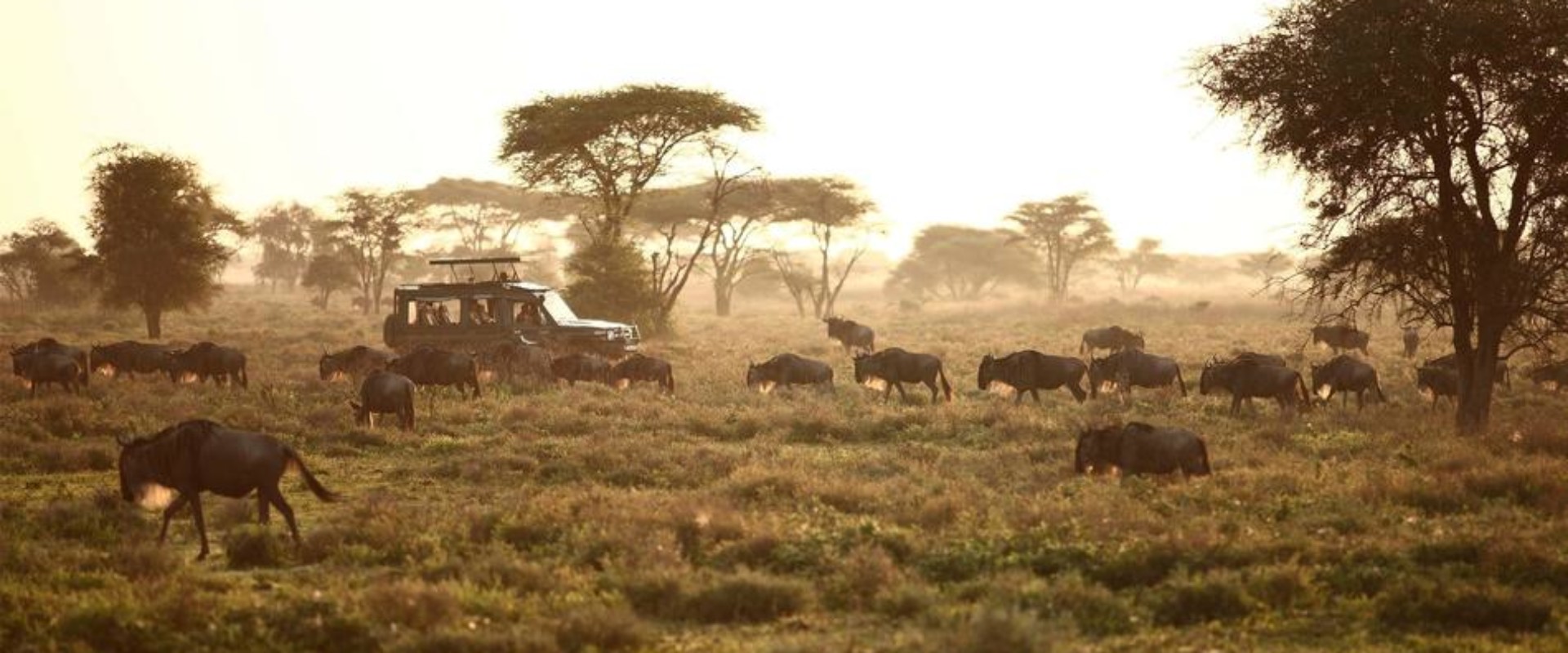
A full day drive means you pack lunch and stay out from 6 AM to 5 PM. This activity works for Tanzania safari tours that want to cover large parks like Serengeti. You drive further than morning or afternoon trips alone. The vehicle stops at a picnic site for lunch under a tree. You see animals at different times of day. This solves the problem of distance. Some rivers or kopjes (rocky hills) are too far for half-day trips. A full day gets you there and back. Most Tanzania safari tours offer this as an upgrade. You need a packed lunch, enough water, and a charged camera. The driver finds a shade spot for the hot midday break. This activity saves you from paying extra park fees for another day.
4. Crater Floor Drive
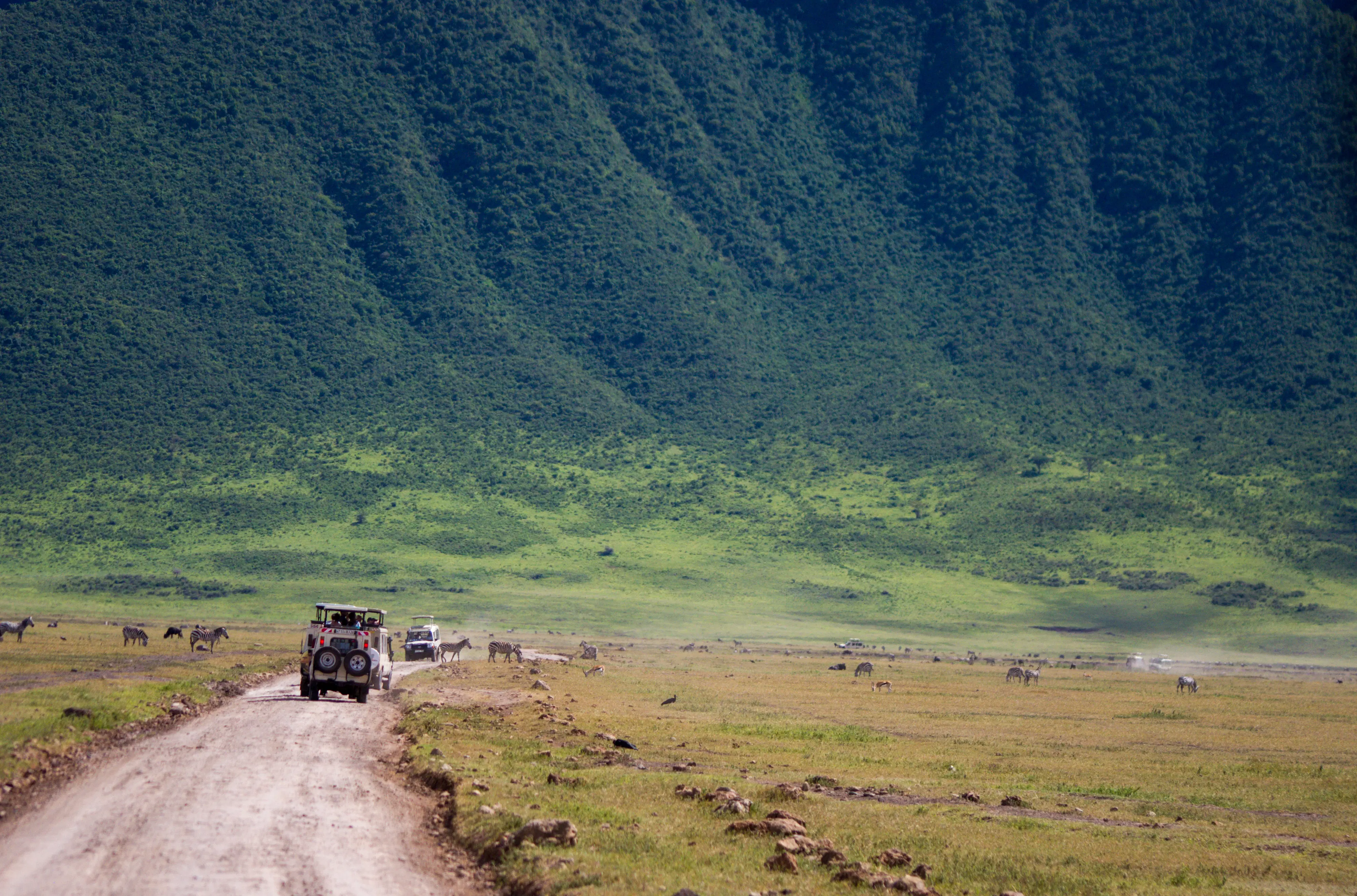
The Ngorongoro Crater floor drive is a half-day activity inside a volcano. You leave the rim at 6 AM and drive down a steep road. This is a special activity on Tanzania safari tours because the crater holds 25,000 animals in one small area. You see lions, elephants, buffalo, zebra, and rhino before lunch. The floor has grass, a lake, and open plains. Nothing blocks your view. Most Tanzania safari tours include this as a single morning activity. You do not stay overnight on the floor. You drive back up by noon. This solves the problem of limited time. You see the Big Five in four hours without driving long distances. Bring warm clothes for the cold rim. The drive down is bumpy but worth it.
5. Night Game Drive

Night drives happen only in certain private areas like Tarangire and Lake Manyara. You go out after dinner with a spotlight. This activity is rare on basic Tanzania safari tours but available as an add-on. You see animals that hide during the day. Bush babies, genets, porcupines, and leopards come out at night. Lions hunt in the dark. The spotlight catches their eyes from far away. This solves the problem of missing nocturnal wildlife. Many first timers do not know these animals exist. A night drive shows you a different side of the bush. You stay in the vehicle with a guide who points the light. Most drives last two hours. Book ahead because parks limit night access.
6. Walking Safari
A walking safari puts you on the ground with an armed guide. You walk for two to three hours in a safe zone like Arusha National Park or certain Serengeti areas. This activity is different from vehicle-based Tanzania safari tours. You see small things like animal tracks, dung, insects, and birds. The guide shows you which plants are medicine and which are poison. You learn how to read animal behavior from a safe distance. This solves the problem of feeling too distant from nature. Many first timers worry about safety. Walking safaris are very controlled. You stay in single file. The guide carries a rifle for emergencies. No one has been hurt on a proper walking safari. Wear closed shoes and long pants.
7. Balloon Safari
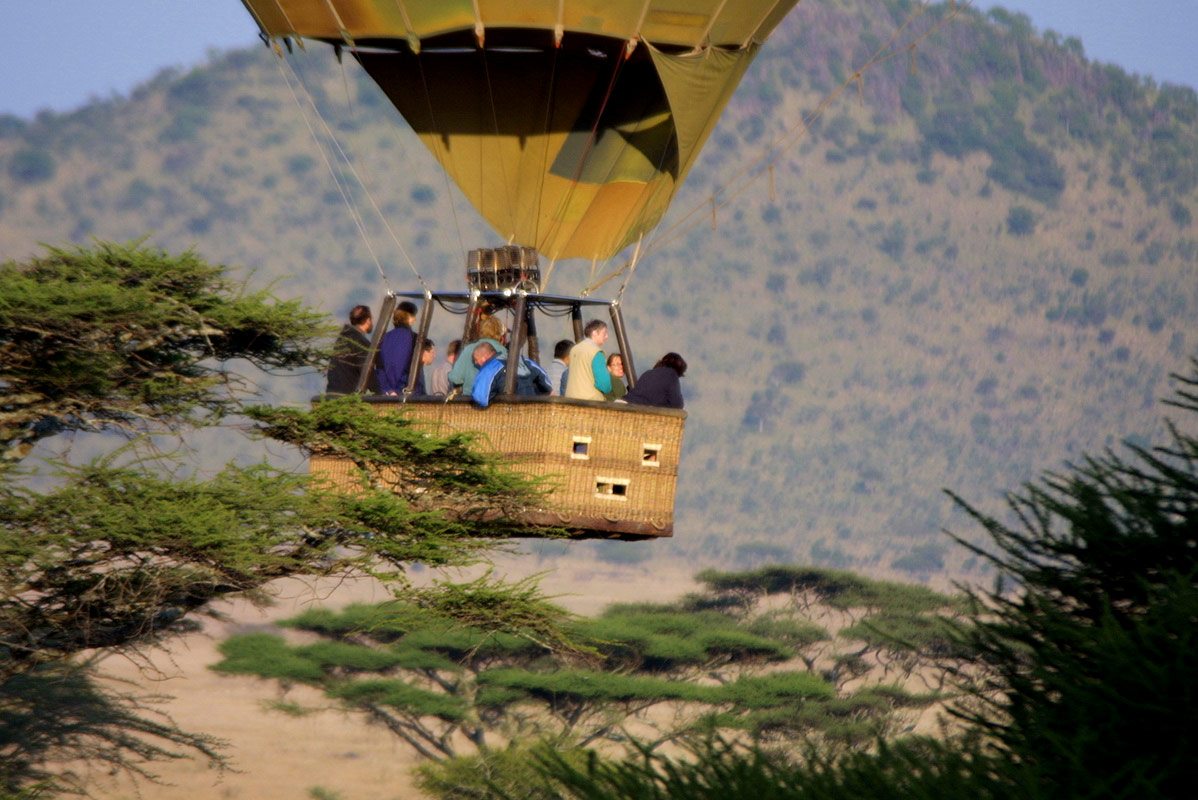
A balloon safari lifts you above the Serengeti plains at sunrise. You float for one hour while animals move below. This is a premium activity on Tanzania safari tours because it costs extra money. You see herds of wildebeest, zebra, and gazelle from the air. The balloon moves with the wind, so you feel no noise or shaking. A vehicle follows on the ground. After landing, you eat breakfast in the bush with tables and chairs set up. This solves the problem of wanting a different view. Some first timers get tired of vehicle rides. A balloon gives you a break. Book this before your trip because only a few balloons fly each morning. The price includes pickup from your lodge.
8. Bird Watching Drive
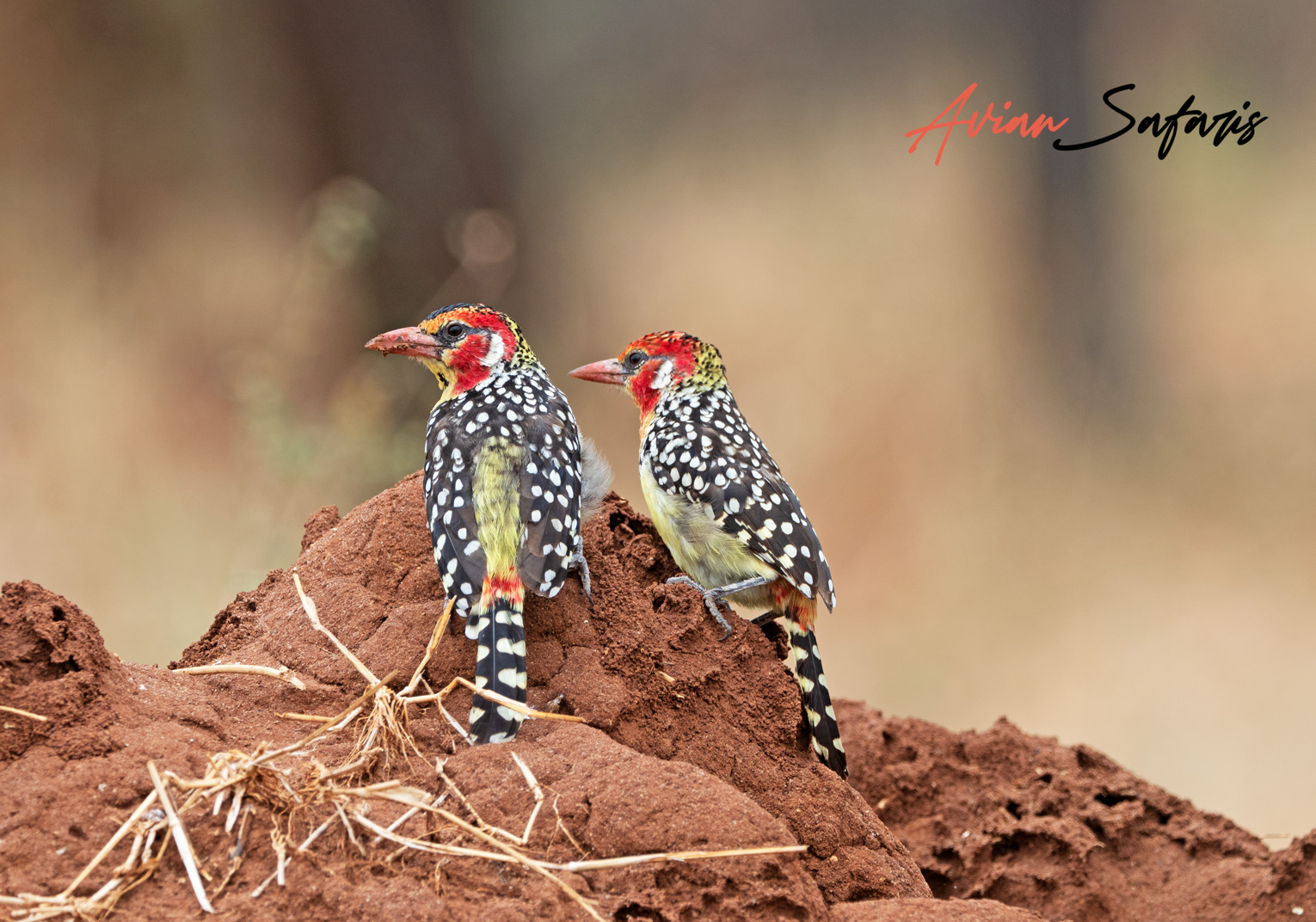
Bird watching is a slow drive focused on small animals. You move at walking speed near lakes and swamps. Lake Manyara and Tarangire are best for this activity on Tanzania safari tours. You see flamingos, pelicans, storks, eagles, kingfishers, and hornbills. The guide stops the engine so you hear calls. Binoculars help a lot. This solves the problem of boredom between big animal sightings. Some parts of the day have no lions or elephants. Bird watching fills that time. You learn names like lilac-breasted roller and fish eagle. Many first timers start as non-bird lovers and finish with photos of fifty species. Do this in the morning when birds feed. The vehicle roof stays closed so birds do not fly away.
9. Cultural Village Visit
A village visit takes you to a Maasai boma near the park gates. You walk around the mud houses and meet people who live next to wildlife. This activity is common on Tanzania safari tours as a half-day break from driving. You see how families keep cows, build fires, and make jewelry. The chief shows you a traditional dance. You ask questions through a translator. This solves the problem of not understanding local life. Many first timers only see animals. A village visit reminds you that people live here too. Bring small donations like school supplies or cash for crafts. Do not give candy or money directly to children. The village has a system. Most visits last two hours. Book through your tour operator to avoid scams.
10. Sundowner Drinks
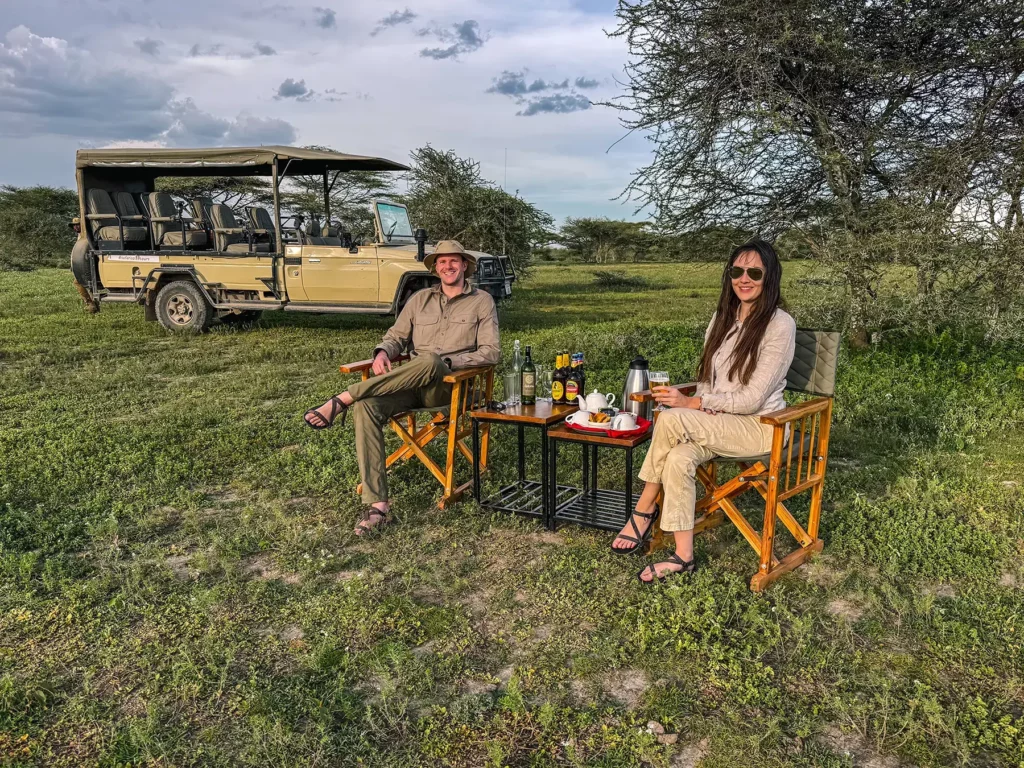
Sundowner drinks happen at sunset on a hill or near a river. Your guide stops the vehicle, sets up a small table, and pours a soda or juice. You watch the sun go down while animals walk to water. This activity is included in many Tanzania safari tours as a simple end to the day. You do not drive after dark. The vehicle stays parked until the light is gone. This solves the problem of rushing back to camp. You relax, stretch your legs, and talk about what you saw. Most sundowners last 45 minutes. Bring a light jacket because temperatures drop fast. Guides know safe spots with no predators nearby. First timers love this activity because it feels special without costing extra. No alcohol is served in most parks due to park rules.
Best time to go for Tanzania safari tours by first timers
The dry season from June to October is the best time for Tanzania safari tours by first timers. During these months, rain stops, grass stays short, and animals gather near rivers and waterholes. You see more wildlife because nothing hides in tall grass or thick bush. Roads stay dry and easy to drive, so your vehicle does not get stuck in mud. This solves the main worry for new travelers: missing animals due to bad weather. Most Tanzania safari tours run daily in this window. The Great Migration crosses the Serengeti's Mara River between July and September, giving you a direct view of wildebeest crossing with crocodiles waiting. Mornings are cold, so bring a jacket. Afternoons stay warm but not too hot.
The green season from January to February also works well for Tanzania safari tours by first timers who want fewer crowds. Short rains fall in November and December. January and February have drier weather with green grass everywhere. This is calving season, when over 8,000 wildebeest babies are born each day in the southern Serengeti. You watch newborn calves stand up and walk within minutes. Lions and cheetahs hunt more because food is easy to catch. Lodges cost less money during these months, and parks have fewer vehicles. The risk is afternoon rain, but storms usually pass in one hour. Avoid March to May, which is the long rainy season. Roads become mud, and many camps close.
How to get there for Tanzania safari tours by first time visitors
To start Tanzania safari tours as a first time visitor, you fly into Kilimanjaro International Airport (JRO) near Arusha town. Most international flights from Europe connect through Amsterdam, Doha, or Istanbul, then land directly at JRO. You can also fly into Julius Nyerere International Airport (DAR) in Dar es Salaam, but that adds a domestic flight or a long bus ride to get to the northern safari parks. From JRO, your tour operator sends a driver to pick you up. The drive to Arusha takes about 45 minutes. You stay one night in Arusha to rest, then start your safari the next morning. This solves the problem of jet lag and long travel days. Do not rent a car and drive yourself. Park roads are rough, and you need a guide who knows animal locations. Most Tanzania safari tours include airport pickup in the package price, so you have nothing to arrange on your own
Best tips for booking Tanzania safari tours for the first time

Book through a local tour operator based in Arusha, not a large overseas agency. Local companies cost less and know the parks better. Check reviews on SafariBookings or TripAdvisor. Ask for the exact vehicle type, lodge names, and park fees before paying. A good operator answers all questions within one day. Avoid anyone who demands full payment upfront. Most Tanzania safari tours require a 20 to 30 percent deposit, with the rest paid on arrival. Get everything in writing, including pickup times and included meals. This solves the problem of hidden costs that appear after you arrive.
Choose a group joining safari if you travel alone or with one other person. You share a vehicle with four to six other travelers and split costs. This cuts your price by half compared to a private safari. Most Tanzania safari tours offer group departures on fixed dates. You stay in mid-range lodges or tented camps. The downside is less control over driving times. The upside is meeting other first timers who help you spot animals. Ask your operator about group size limits. Vehicles with more than six people get crowded. Book group safaris two months early because spots fill fast.
Plan for at least seven days on the ground. A short three-day trip only covers one or two parks and feels rushed. With seven days, you see Tarangire, Lake Manyara, Ngorongoro Crater, and the Serengeti. This is the standard loop for Tanzania safari tours. Add two more days for travel from home. Your first and last days have no game drives because of flights. Use a packing list with neutral clothes, a hat, sunscreen, and binoculars. Do not bring expensive jewelry or drones. Drones are illegal in all national parks. Pack a power bank because some camps have limited electricity.
Book lodges and flights six months ahead if you travel in the dry season from June to October. This is the busiest time for Tanzania safari tours. Good lodges near the Serengeti rivers fill up one year early. If you cannot book early, shift your trip to January or February. These months still have good weather and calving season, but fewer tourists. Get travel insurance that covers medical evacuation. A broken leg or malaria needs a flight to Nairobi. Check that your policy includes safari vehicle accidents and lost luggage. Keep printed copies of your passport, visa, and bookings separate from the originals.
Best places to stay in on your first time Tanzania safari tours
For your first Tanzania safari tours, choosing the right places to stay makes the whole trip easier and more comfortable. Start your trip in Arusha at a lodge like Olerai Lodge or Arumeru River Lodge, both close to the airport with good gardens, pools, and Mount Meru views to help you rest before the parks . Near the Ngorongoro Crater, Acacia Farm Lodge sits on a coffee plantation with large cottages and a pool, while Karatu Simba Lodge gives you solid mid-range rooms and easy crater access . For a special stay on the crater rim, Lemala Osonjoi Lodge puts you just minutes from the gate with a heated indoor pool . Inside the Serengeti, Lemala Nanyukie has private plunge pools in each suite, and the newer Serengeti Explorer offers a modern, casual setup near the migration routes . Budget travelers do well at Marera Valley Lodge near Karatu or the Serengeti Acacia Camps, which move with the animals . Most Tanzania safari tours let you mix one or two mid-range lodges with one splurge property to balance cost and comfort
Booking Tanzania safari tours with Dav safaris
Booking Tanzania safari tours with Dav Safaris is straightforward for first time visitors. Start by visiting our website at www.davsafaris.com, where you can browse packages covering Serengeti, Ngorongoro Crater, Tarangire, and Lake Manyana. Fill out the inquiry form with your travel dates and group size, and their team responds quickly to tailor an itinerary to your budget and interests. We offer private and group options, with flexible payment requiring only a deposit upfront. Our guides are praised for finding wildlife and keeping things engaging for all ages, including families with children. The company operates its own vehicles and employs salaried guides, which keeps pricing fair and service reliable. You can reach them directly at info@davsafaris.com or by phone at +256757795781. Many travelers recommend Dav Safaris for Tanzania safari tours because they handle everything from airport pickup to lodge bookings, so you arrive with nothing to arrange on your own