Botswana safari offers rare wildlife, predator-rich reserves, vast salt pans, luxury lodges, and a high-cost, low-impact model focused on conservation and exclusivity
Did you know Botswana safari is designed to give travelers one of the most exclusive and conservation-focused wildlife experiences in Africa? The country follows a “high-cost, low-impact” tourism model, meaning camps are small, vehicle numbers are limited, and the wilderness remains pristine. This approach ensures guests enjoy privacy and intimacy while supporting long-term protection of habitats and species. Botswana safari also stands out for its diversity, from the water-filled Okavango Delta to predator-rich Moremi, elephant-packed Chobe, and the stark beauty of the Makgadikgadi Pans. Rare wildlife such as African wild dogs and black-maned lions thrive here, alongside the Big Five and hundreds of bird species. Choosing Botswana safari means combining exclusivity, variety, and responsibility, making every visit both rewarding and purposeful
Best Botswana safari packages
3 Days Best of Botswana Safari in Moremi Game Reserve
3 Days Botswana Safari in Chobe National Park from Victoria Falls
3 Days classic Chobe family safari packages
4 Day Botswana Safari with Makgadikgadi Zebra Migration Experience
4 Days Botswana Tour Combo with Chobe Safari and Victoria Falls
5 Days Botswana Tour in Okavango Delta and Moremi Game Reserve
5 Days Botswana Wildlife Safari
6 Days Botswana Family Safari in the Okavango Delta & Makgadikgadi NP
7 Days Makgadikgadi Pans, Okavango Delta, and Chobe Botswana Safari
What Makes Botswana Unique for Botswana safari
High-Cost, Low-Impact Tourism
Botswana safari is built on a model that prioritizes conservation over mass tourism. Camps are intentionally small, often with only 6–12 tents, ensuring minimal environmental impact and maximum privacy. Botswana safari benefits travelers who value exclusivity, as vehicle numbers at sightings are strictly limited. This approach prevents overcrowding and protects fragile ecosystems, allowing guests to enjoy wildlife in a truly untouched setting. The focus on quality rather than quantity means every safari feels personal, with guides dedicating time to fewer guests. This model ensures that tourism supports conservation while delivering a refined experience for those seeking intimacy and authenticity in the wilderness.

Intimate Wilderness Experience
Botswana safari offers travelers a chance to connect with nature in a way few destinations can match. The low visitor numbers mean vast areas of wilderness remain undisturbed, creating a sense of solitude and peace. Botswana safari ensures guests enjoy game drives without the distraction of multiple vehicles competing for space. This intimacy allows for longer, uninterrupted wildlife viewing and a deeper appreciation of the environment. Travelers benefit from the quiet atmosphere, where the sounds of nature dominate instead of engines. For those who value privacy and exclusivity, Botswana’s approach guarantees a safari that feels personal and unspoiled.
Prime Location for Rare Wildlife
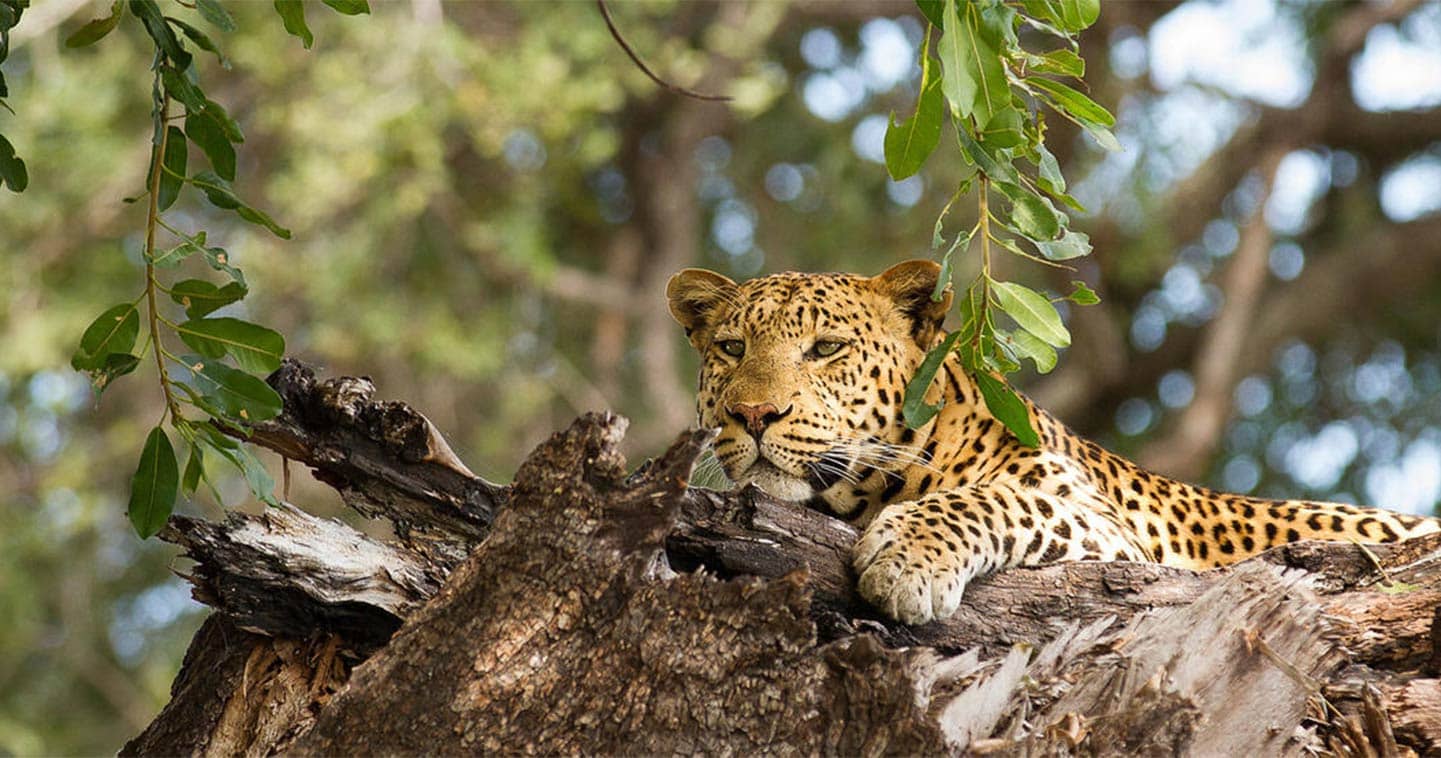
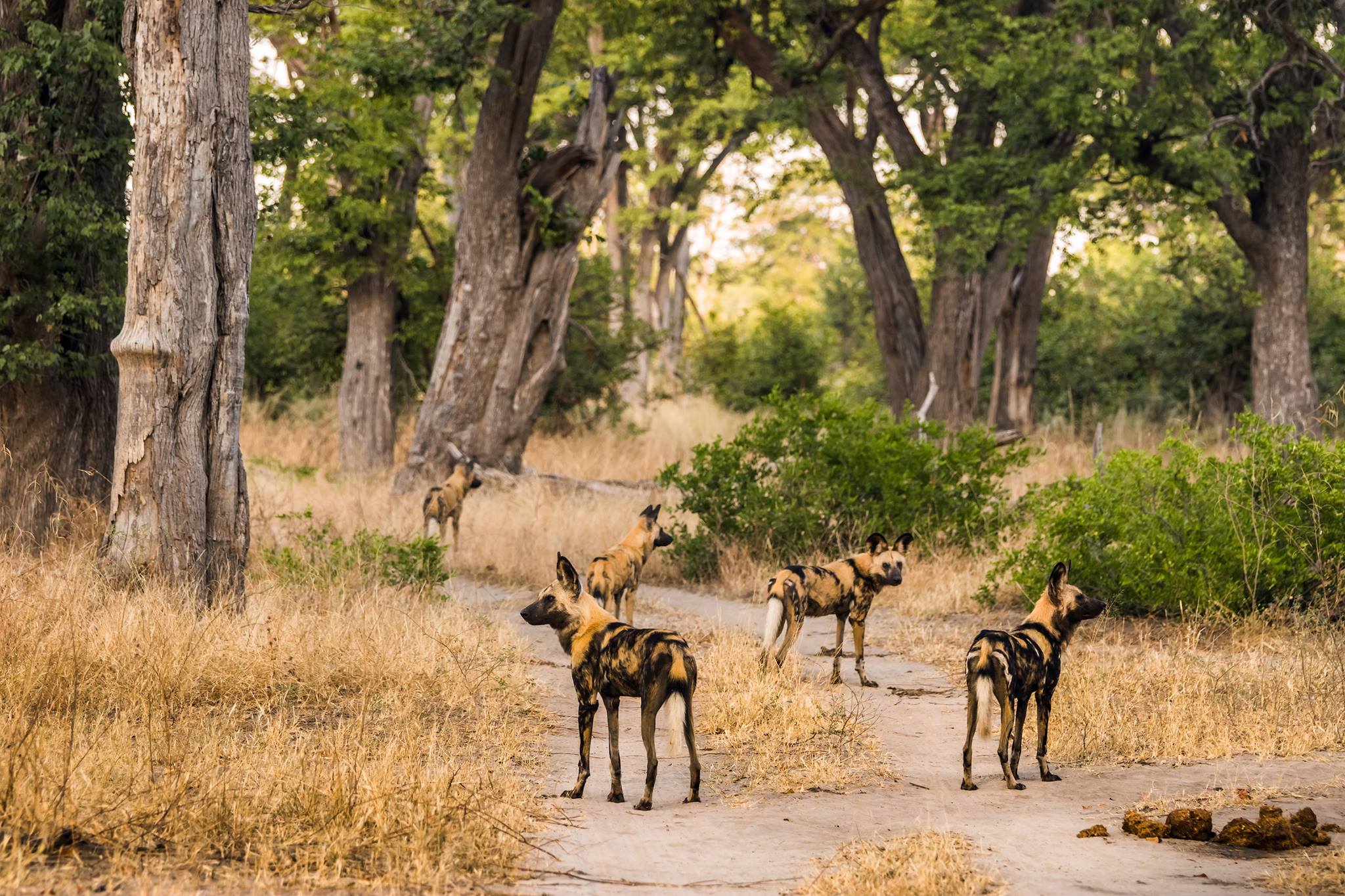
Botswana safari is one of the best opportunities to see endangered African wild dogs, particularly in the Okavango Delta and Moremi Game Reserve. These predators are difficult to spot elsewhere, but Botswana safari provides strong chances thanks to healthy populations supported by conservation efforts. Guests often witness packs hunting cooperatively, offering rare insights into their behavior. The country’s commitment to protecting species ensures sightings are not only possible but frequent. For wildlife enthusiasts seeking something beyond the Big Five, Botswana stands out as a destination where rare and endangered animals thrive in natural habitats.
Conservation at the Core
Botswana safari is unique because conservation is central to its tourism model. By limiting visitor numbers and focusing on high-value experiences, the country ensures wildlife and habitats remain protected. Botswana safari directly supports anti-poaching initiatives and community projects, making every visit purposeful. Travelers know their presence contributes to long-term sustainability, helping preserve ecosystems for future generations. This balance between luxury and responsibility makes Botswana a leader in ethical tourism. Guests enjoy world-class safaris while knowing their fees fund conservation, creating a meaningful connection between travel and protection of Africa’s wilderness
What wildlife is there to see on Botswana safari
Wildlife Highlights on a Botswana Safari
Botswana safari is renowned for its abundance of large mammals, predators, and unique species adapted to different habitats. The Okavango Delta and Moremi Game Reserve provide excellent chances to see the Big Five lion, leopard, elephant, buffalo, and rhino alongside cheetahs, hyenas, and packs of endangered African wild dogs. Chobe National Park is home to Africa’s largest elephant population, with herds numbering in the tens of thousands, often seen along the Chobe River. Plains game such as zebra, giraffe, kudu, and impala are common, while rarer antelope like sable, roan, and tsessebe add variety. Botswana safari also rewards birdwatchers, with over 500 species recorded, including African fish eagles, kingfishers, and flamingos in seasonal wetlands.
Unique and Rare Species
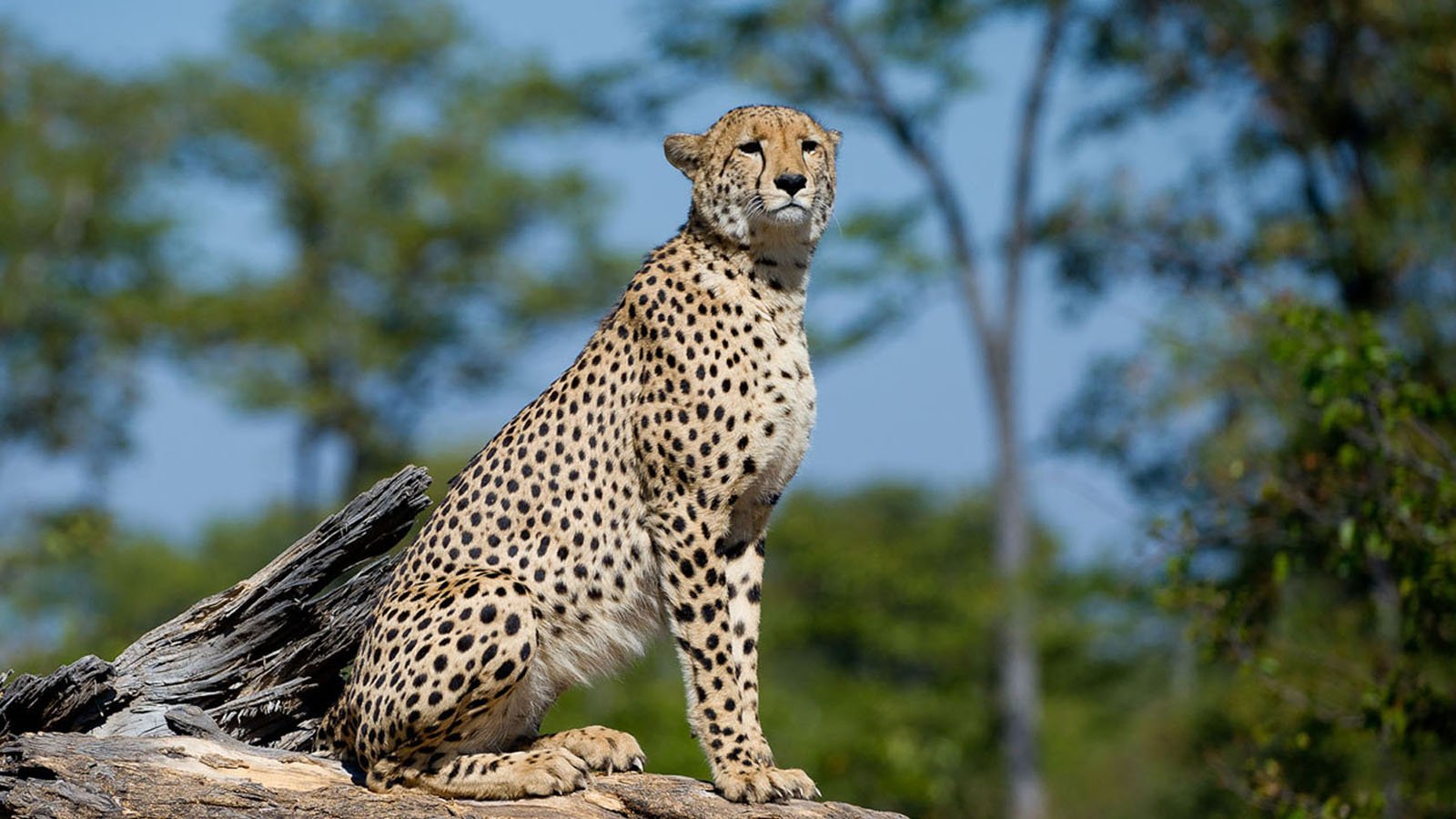
Beyond the well-known animals, Botswana safari showcases wildlife that is harder to find elsewhere. The Central Kalahari Game Reserve is famous for its black-maned lions, oryx, and springbok, thriving in desert conditions. The Makgadikgadi Pans offer sightings of meerkats and dramatic seasonal migrations of wildebeest and zebra across the salt flats. Hippos and crocodiles dominate waterways, while nocturnal species such as aardvarks, bat-eared foxes, and genets add intrigue for those on night drives. Conservation efforts have reintroduced rhinos in select areas, making Botswana one of the few places where all Big Five can still be seen. This mix of common and rare species ensures Botswana safari delivers both reliable sightings and surprises, appealing to travelers who want depth and diversity in their wildlife experiences
Top Destinations to Visit for Botswana Safari
Okavango Delta
Botswana safari in the Okavango Delta is unique because it combines water and wilderness in one ecosystem. Travelers can see all Big Five animals, including rhinos that have been reintroduced, while exploring papyrus-lined channels. The signature mokoro canoe trips allow guests to glide quietly through waterways, spotting elephants, hippos, and colorful birdlife from a close perspective. Botswana safari here is about variety, with game drives on dry islands complementing water-based activities. The Delta’s seasonal floods create a constantly changing landscape, making every visit different. For those seeking a mix of adventure and tranquility, the Okavango Delta delivers unmatched diversity and remains one of Africa’s most rewarding safari destinations.
Moremi Game Reserve
Botswana safari in Moremi Game Reserve is ideal for travelers who want consistent predator sightings and year-round wildlife action. Known for its high density of lions, leopards, and wild dogs, Moremi offers game drives that combine open plains with permanent water sources. These habitats attract large herds of antelope, elephants, and buffalo, ensuring reliable viewing throughout the year. Botswana safari in Moremi is enhanced by its location within the Okavango Delta, giving guests access to both land and water experiences. The reserve’s balance of predators and prey makes it one of the most dynamic safari areas, perfect for travelers who want variety and strong chances of seeing dramatic wildlife interactions.
Chobe National Park
Botswana safari in Chobe National Park is famous for hosting Africa’s largest elephant herds, numbering in the tens of thousands. The park’s signature activity is a sunset boat cruise along the Chobe River, where elephants gather to drink, bathe, and swim. This water-based perspective allows travelers to see elephants at eye level, along with hippos, crocodiles, and diverse birdlife. Botswana safari in Chobe also includes traditional game drives, but the river cruises set it apart, offering close-up encounters in a relaxed setting. The combination of massive elephant herds and spectacular sunsets makes Chobe a must-visit destination for those seeking iconic wildlife moments in a serene environment.
Makgadikgadi Pans and Central Kalahari GR

Botswana safari in the Makgadikgadi Pans offers a completely different experience, with vast salt flats that feel otherworldly. Activities like quad biking across the pans or sleeping under the stars create a sense of adventure and solitude. Meerkat interactions add charm, while the starry skies are unmatched. Botswana safari in the Central Kalahari Game Reserve highlights desert-adapted wildlife, including black-maned lions, oryx, and springbok. The best time to visit is after summer rains, when animals gather on the plains. Together, these destinations showcase Botswana’s diversity, offering travelers both stark desert landscapes and unique wildlife experiences that complement the Delta and Chobe safaris.
Best time to go for Botswana safari
The best time to go for Botswana safari is during the dry season from May to October. Wildlife viewing is at its peak as animals gather around permanent water sources, making sightings consistent and rewarding. This period includes the famous Okavango Delta floods, which create unique opportunities for mokoro canoe trips and boat safaris. Botswana safari in these months also benefits from cooler temperatures, clear skies, and reduced vegetation, making predators easier to spot. Lodges are busier and prices higher, but the quality of game viewing and diverse activities make this season the most popular choice for travelers seeking reliable safari experiences.
Botswana safari is also highly rewarding in the wet season from November to April, especially for birdwatchers and those seeking quieter experiences. The landscape transforms into vibrant greenery, attracting migratory birds and offering dramatic skies for photography. Wildlife is more dispersed, but sightings of newborn animals and predator activity remain strong. Botswana safari during this time is often more affordable, with lodges offering lower rates and fewer crowds. While some areas may be inaccessible due to heavy rains, the wet season provides a more intimate and budget-friendly safari option, ideal for travelers who value solitude and unique seasonal highlights
How do travelers get there to Botswana safari
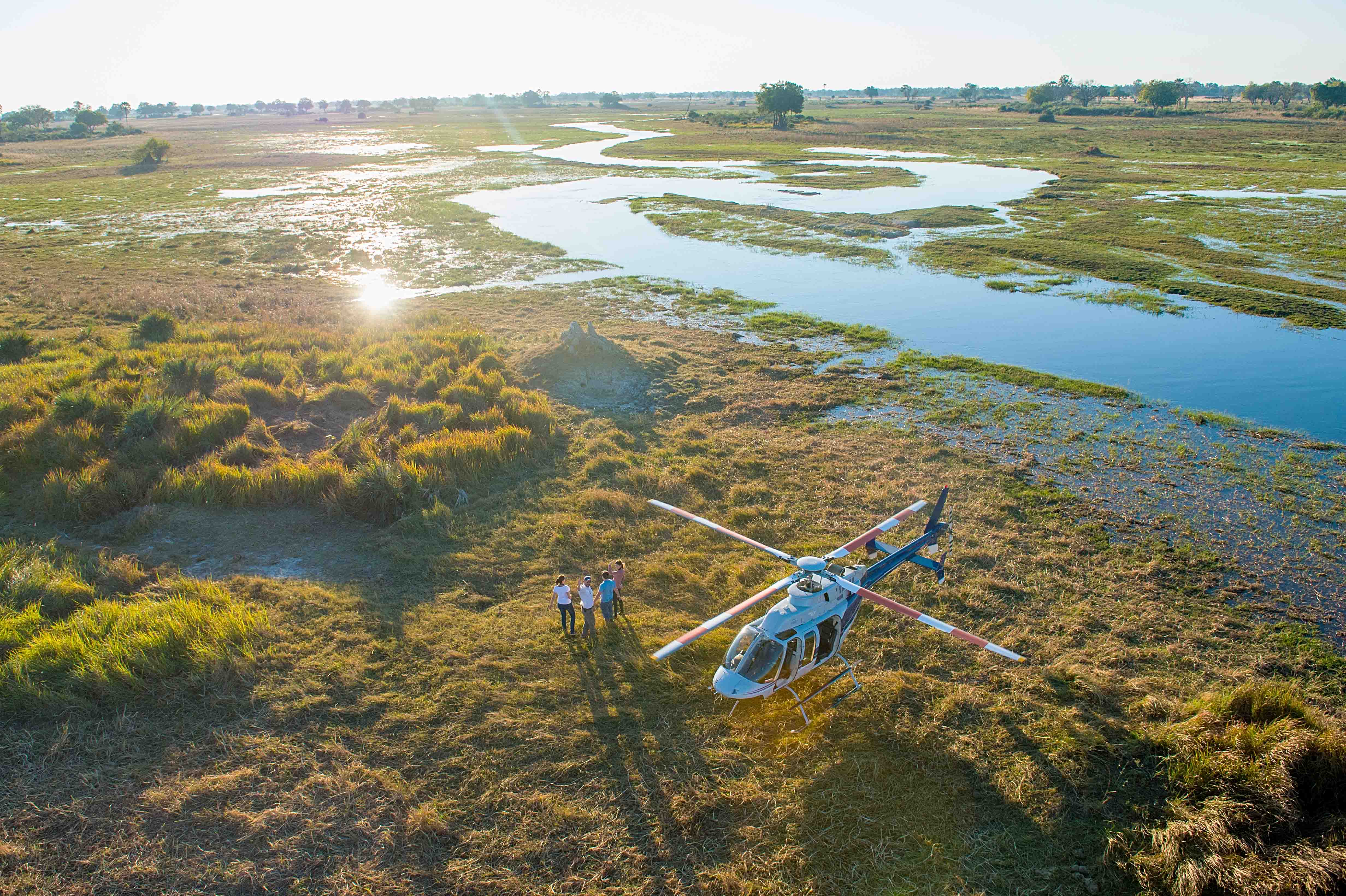
The most convenient way to reach Botswana safari destinations is by flying into Maun or Kasane, the two main gateways. International travelers usually connect through Johannesburg, Cape Town, or Nairobi before taking regional flights into Botswana. Maun serves as the entry point for the Okavango Delta and Moremi Game Reserve, while Kasane is ideal for Chobe National Park. From these towns, light aircraft transfers take guests directly to remote lodges, saving time and offering stunning aerial views of the wilderness. Botswana safari benefits from this system because it minimizes long road journeys and ensures travelers spend more time in the bush rather than in transit.
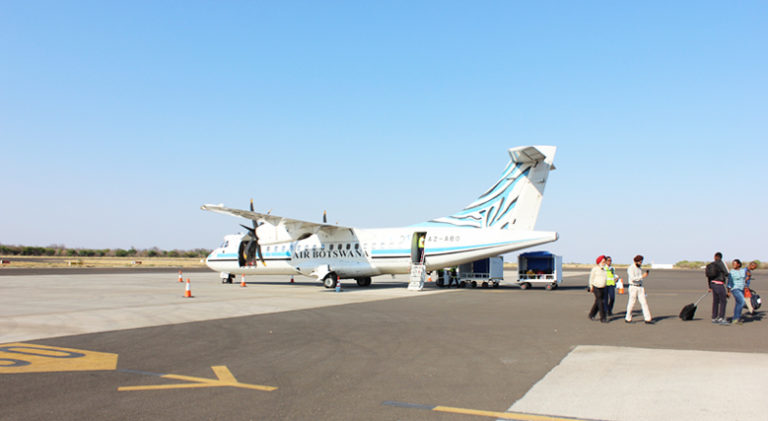
For those who prefer road travel, Botswana safari can also be accessed by driving from neighboring countries such as South Africa, Namibia, or Zimbabwe. Self-drive safaris are popular among adventurous travelers, with well-marked routes leading to major parks like Chobe and the Makgadikgadi Pans. Organized transfers in 4x4 vehicles are also available, offering comfort and guidance for those unfamiliar with the terrain. While road travel takes longer than flying, it provides opportunities to see rural landscapes and enjoy flexibility along the way. Whether by air or road, Botswana safari is designed to be accessible while maintaining its low-impact, conservation-focused approach
Best safari activities to do on a Botswana safari
Botswana safari is defined by its ability to combine land and water experiences, giving travelers a variety of ways to enjoy wildlife. Game drives remain central, but the intimacy of small camps and limited vehicles ensures sightings are personal and rewarding. Botswana safari also includes mokoro canoe trips in the Okavango Delta, where guests glide silently past elephants, hippos, and birdlife. This mix of activities allows travelers to see the bush from different perspectives, making each day feel fresh and engaging. The balance between traditional drives and water-based adventures creates a rhythm that keeps the safari exciting while maintaining its conservation-focused approach.
Botswana safari offers travelers more than just wildlife viewing; it provides opportunities to connect with the wilderness in unique ways. Walking safaris in private concessions highlight tracks, plants, and smaller creatures often missed from vehicles. Botswana safari also benefits from night drives, where nocturnal animals like hyenas and bush babies become visible. These activities add depth to the experience, ensuring guests don’t just see animals but understand their behaviors and habitats. By diversifying activities, travelers gain a fuller picture of the ecosystem, making the safari more meaningful and educational while still maintaining comfort and exclusivity.
Botswana safari is also about variety across regions, with each destination offering signature activities. In Chobe, sunset boat cruises bring travelers close to massive elephant herds, while the Makgadikgadi Pans provide quad biking across salt flats and sleeping under star-filled skies. Botswana safari in the Central Kalahari highlights desert-adapted species, especially after rains when wildlife gathers on the plains. This diversity ensures travelers can tailor their safari to match their interests, whether they prefer water-based adventures, predator-rich drives, or remote wilderness experiences. The ability to combine different regions makes Botswana one of Africa’s most versatile safari destinations.

Botswana safari integrates conservation and culture into its activities, adding purpose to the adventure. Guests can visit local communities, learn about conservation projects, or support initiatives that protect endangered species like wild dogs. Botswana safari ensures that every activity contributes to sustainability, whether through conservancy fees or eco-friendly practices at lodges. This balance between luxury and responsibility makes the safari not only enjoyable but impactful. Travelers leave knowing their presence supports wildlife protection and community development. By combining diverse activities, cultural depth, and conservation, Botswana delivers a safari experience that is both rewarding and meaningful for every visitor
Top tips for best Botswana safari experience
Visa and Health
Botswana safari is straightforward for many travelers since most nationalities, including US, UK, and EU, do not require a visa for short tourist visits. However, northern regions such as the Okavango Delta and Chobe are malaria areas, so it’s essential to consult your doctor about anti-malarial prophylaxis before traveling. Botswana safari planning should always include health precautions, as staying protected ensures you enjoy the wilderness without unnecessary risks. Carry insect repellent, long-sleeved clothing, and follow medical advice to stay safe.
Packing and Clothing
Botswana safari requires practical clothing choices to stay comfortable and safe. Neutral earth tones like khaki, olive, and beige help you blend into the environment, while bright white, blue, and black should be avoided as they attract tsetse flies. Dressing in layers is key, with warm jackets for cold mornings and lighter clothing for hot afternoons. Botswana safari packing should also include sturdy shoes, hats, and sunscreen to handle varied conditions. The right clothing ensures you remain comfortable while maximizing your wildlife viewing experience.

Tipping Culture and Cost Reality
Botswana safari operates at a high standard of service, and tipping is customary to reflect appreciation. Budget around 10–20 USD per day for your guide and 5–10 USD for camp staff. Botswana safari is also one of Africa’s most expensive destinations due to its “high-cost, low-impact” model. Costs go directly toward exclusivity, conservation, and maintaining low visitor numbers. While prices are higher, travelers benefit from pristine wilderness, fewer crowds, and meaningful contributions to protecting wildlife and habitats.
Safety and Etiquette
Botswana safari safety depends on respecting your guide’s instructions at all times. Never stand up or extend limbs outside the vehicle during game drives, and on walking safaris, always walk in single file and remain quiet. Botswana safari also requires caution near water sources, as hippos and crocodiles pose real risks never approach without a guide. Following etiquette ensures not only your safety but also a respectful experience for wildlife and fellow travelers. By staying alert and considerate, you enjoy the safari responsibly while protecting yourself and the environment.
Best places to stay in Botswana safari

Botswana safari offers some of Africa’s finest lodges and camps, designed to balance exclusivity, comfort, and conservation. In the Okavango Delta, Mombo Camp is often called the “Place of Plenty,” renowned for luxury tents and exceptional predator sightings. Vumbura Plains Camp blends modern design with access to both land and water activities, making it ideal for diverse experiences. For travelers seeking intimacy, Duba Plains Camp offers just a handful of suites with private decks overlooking floodplains. In Chobe, Chobe Game Lodge provides riverfront luxury and close access to massive elephant herds. Meanwhile, the Jack’s Camp in the Makgadikgadi Pans delivers a vintage safari feel with desert adventures like quad biking and meerkat interactions. Choosing these lodges ensures Botswana safari is both comfortable and deeply rewarding
Booking Botswana safari with Dav safaris
Booking Botswana safari with Dav Safaris guarantees a carefully planned and personalized experience that balances exclusivity, comfort, and conservation. The company organizes every detail, from international connections and light aircraft transfers to lodge reservations and guided activities in the Okavango Delta, Moremi, Chobe, and Makgadikgadi Pans. Botswana safari packages with Dav Safaris emphasize value by including small, intimate camps, expert guides, and access to both land and water-based adventures such as mokoro canoe trips, quad biking, and sunset cruises. Guests benefit from transparent pricing, tailored itineraries, and meaningful contributions to conservation and local communities. Choosing Dav Safaris ensures your Botswana safari is not only seamless and rewarding but also deeply connected to the country’s unique “high-cost, low-impact” tourism model