Top things to do on a Tanzania camping safari include witnessing the Great Migration, exploring Ngorongoro Crater, walking safaris, cultural visits, and hot springs
Experience the best of Tanzania camping safari with a mix of wildlife, culture, and adventure that keeps you close to nature while offering practical comfort. From witnessing the Great Migration in the Serengeti to descending into the Ngorongoro Crater, every day brings a new highlight. Nights under canvas let you hear the sounds of the wild, while mornings start with fresh air and sunrise views. A Tanzania camping safari also includes unique activities like walking safaris, night drives, and cultural visits to Maasai villages, giving you variety beyond game drives. With options ranging from budget campsites to fly camping in remote parks, this style of travel is flexible, affordable, and rewarding, making it one of the most authentic ways to explore Tanzania
Our popular Tanzania safari packages
2-days-fly-in-serengeti-safari-in-tanzania
2-days-tarangire-national-park-and-ngorongoro-crater-safari
3-days-tanzania-safari-in-serengeti-national-park
3-days-tanzania-wildlife-safari
4-days-epic-tanzania-wildlife-and-culture-safari
5-day-kenya-and-tanzania-safari
5-days-circuit-wildlife-safari-in-tanzania
6-days-ndutu-migration-safari-calving-season
8-day-serengeti-ngorongoro-crater-and-zanzibar
8-days-wildlife-and-beach-holiday-tanzania
The Top Things to Do on Tanzania Camping Safari
1. Witness the Great Migration in Serengeti National Park
A Tanzania camping safari during the Great Migration lets you see hundreds of thousands of wildebeest and zebras moving across the plains in search of fresh grass. The sight of animals crossing rivers and spreading across open land is unmatched in scale. Guides position camps near key migration routes, so you spend nights listening to distant hooves and mornings watching herds stretch to the horizon. This event is seasonal, usually between June and October, when wildlife gathers near rivers. A Tanzania camping safari here ensures you are close to the action, with simple tents that keep you grounded in nature while still offering comfort after long days of game drives.

2. Descend into the Ngorongoro Crater
On a Tanzania camping safari, descending into the Ngorongoro Crater feels like stepping into a natural zoo without fences. The steep walls keep animals inside, so sightings are guaranteed. Within a few hours, you may see elephants, lions, buffalo, and even the rare black rhino grazing on the crater floor. Campsites on the rim provide cool air and sunrise views before you drive down at dawn. A Tanzania camping safari here saves time because wildlife is concentrated in one area, making it ideal for travelers with limited days. The crater’s mix of grasslands, lakes, and open plains ensures variety, and guides know the best spots to maximize your chances of seeing the Big Five.

3. Sleep Under the Stars on a Fly Camping Expedition in Ruaha National Park
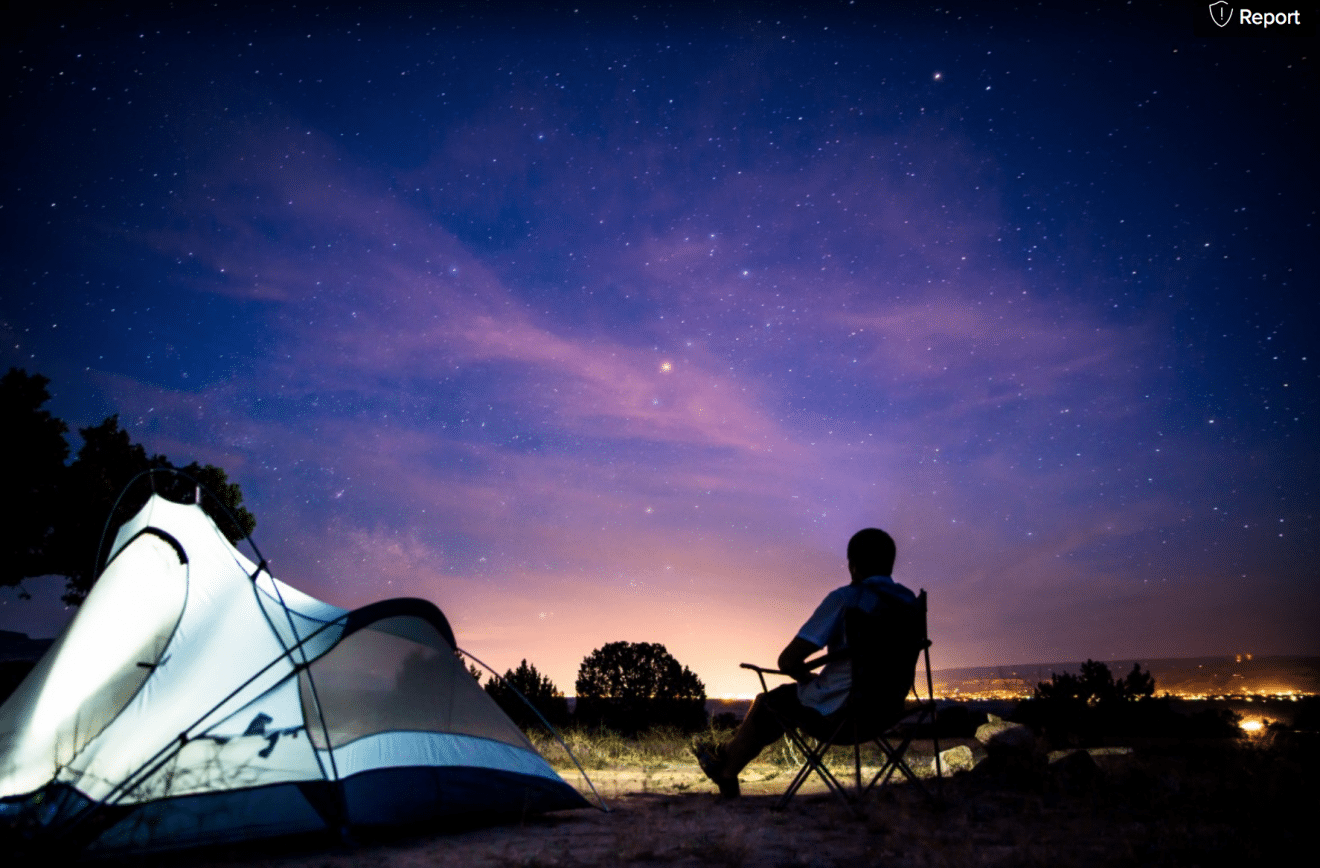
A Tanzania camping safari in Ruaha offers the rare chance to sleep under the stars on a fly camping trip. Unlike permanent lodges, fly camps are mobile and set deep in the bush, far from crowds. You fall asleep to the sounds of lions calling and hyenas laughing, with only canvas between you and the wild. Guides prepare simple meals by firelight, and mornings start with fresh coffee before walking safaris. A Tanzania camping safari here is about raw adventure, where comfort is basic but the reward is unmatched closeness to nature. Ruaha’s remote setting ensures privacy, making this experience perfect for travelers who want to feel fully part of the wilderness.
4. Track Chimpanzees in the Rainforest of Mahale Mountains National Park
A Tanzania camping safari in Mahale Mountains National Park takes you beyond savannah wildlife to the rainforest, where chimpanzees live in family groups. Guided treks lead you through thick forest, following calls and tracks until you find them feeding or playing. Watching their behavior up close is a highlight, as they share so many traits with humans. Camps along Lake Tanganyika provide a base, with evenings spent by the water after forest walks. A Tanzania camping safari here combines adventure with education, showing the importance of protecting primates in their natural habitat. The mix of forest trekking and lakeside relaxation makes Mahale a unique stop compared to traditional safari parks.

5. Spot the Big Five on a Game Drive in Serengeti, Ngorongoro, Tarangire
A Tanzania camping safari is not complete without searching for the Big Five: lions, leopards, elephants, buffalo, and rhinos. Game drives in Serengeti, Ngorongoro, and Tarangire give you the best chances, with guides using pop-top vehicles for clear views. Each park offers something different Serengeti for predators, Ngorongoro for rhinos, and Tarangire for elephants. A Tanzania camping safari keeps you close to these parks, so early morning drives start right at sunrise when animals are most active. Staying in camps means you spend more time in nature, hearing wildlife at night and waking up ready to spot the next big animal during the day.

6. Go on a Guided Walking Safari in Ruaha, Nyerere, Arusha National Park
A Tanzania camping safari is not only about vehicles; walking safaris let you step into the bush with an armed guide. You learn to read tracks, identify plants, and notice small details often missed from a car. In Ruaha, Nyerere, and Arusha, walking safaris bring you closer to giraffes, zebras, and even elephants from a safe distance. A Tanzania camping safari here adds variety, giving you a deeper understanding of the ecosystem. Nights in camp after a walk feel more connected, as you’ve experienced the land on foot. This activity suits travelers who want more than just sightings they want to understand how the bush works.

7. Experience a Night Game Drive in Lake Manyara National Park
A Tanzania camping safari at Lake Manyara includes the rare chance to explore after dark. Night drives use spotlights to reveal animals that hide during the day. You may see bush babies leaping between trees, genets hunting, or leopards moving silently. Hyenas often patrol roads, and owls call from branches. A Tanzania camping safari here gives you access to this nocturnal world, adding excitement to the usual daytime drives. Camps nearby allow you to rest after late-night adventures, making it easy to balance activity and relaxation. For travelers curious about what happens when the sun sets, this is a must-do experience.
8. Camp on the Crater Rim Ngorongoro Simba Campsite

A Tanzania camping safari at Ngorongoro Simba Campsite offers one of the best views in Africa. From the rim, you wake up to sunrise over the crater, with cool air and mist rising from below. The campsite is simple but perfectly located, saving travel time before descending for game drives. A Tanzania camping safari here means you spend nights surrounded by nature, with zebras and buffalo often grazing near tents. The experience is practical and rewarding, giving you both comfort and direct access to one of the world’s most famous wildlife areas. For budget-conscious travelers, it balances affordability with unbeatable scenery.
9. Visit a Maasai Village Ngorongoro Conservation Area
A Tanzania camping safari is not only about wildlife; visiting a Maasai village adds cultural depth. Here, you meet families, learn about their traditions, and watch the famous jumping dance. Guides explain how the Maasai live alongside wildlife, herding cattle while respecting conservation rules. A Tanzania camping safari that includes this visit helps travelers understand the human side of the land they explore. Camps nearby make it easy to combine cultural visits with game drives, ensuring variety in your trip. For travelers seeking more than animal sightings, this activity provides direct interaction with one of East Africa’s most recognized communities.

10. Relax at a Geothermal Hot Spring Kikuletwa Hot Springs
After days of driving, a Tanzania camping safari can feel tiring, and Kikuletwa Hot Springs near Kilimanjaro offers the perfect break. The naturally warm, clear waters are surrounded by palm trees, creating a peaceful setting to swim and refresh. Travelers often stop here between safaris and mountain climbs, using it as a rest day. A Tanzania camping safari that includes this visit balances adventure with relaxation, giving your body time to recover. The springs are affordable, easy to reach, and family-friendly, making them a practical choice for all types of travelers. It’s a simple but valuable way to end or pause your safari trip
Best time of year to go for Tanzania camping safari
The best time for a Tanzania camping safari depends on what you want to see and experience. From June to October, the dry season offers the most reliable wildlife viewing, especially in the Serengeti and Ngorongoro Crater. During these months, animals gather around water sources, making sightings easier, and the Great Migration is in full swing, with wildebeest and zebras crossing rivers. A Tanzania camping safari in this season means clear skies, cooler nights, and excellent game drives. Camps are busier, so booking early is wise, but the reward is being close to the action when wildlife is most concentrated and active.
For travelers seeking fewer crowds and lower costs, November to March is another good window for a Tanzania camping safari. This period includes the short rains, which bring green landscapes and newborn animals. Birdwatchers especially enjoy these months, as migratory species arrive in large numbers. The calving season in the southern Serengeti, usually around February, is a highlight, with thousands of young wildebeest born daily. A Tanzania camping safari at this time offers a softer atmosphere, with fewer vehicles and more space at campsites. While rain showers are possible, they are often brief, and the fresh scenery adds a different charm to the safari experience
How to get there for Tanzania camping safari
Getting to a Tanzania camping safari is straightforward, with options that suit different budgets and schedules. Most travelers fly into Kilimanjaro International Airport near Arusha, which is the main safari hub. From there, you can take domestic flights to parks like Serengeti, Ruaha, or Mahale, saving time on long drives. Road transfers are also common, especially for routes to Tarangire, Lake Manyara, and Ngorongoro, where 4x4 vehicles take you directly to campsites. A Tanzania camping safari often combines both flights for distant parks and road trips for nearby ones. This mix keeps costs manageable while ensuring you reach remote areas efficiently. Booking transport through safari operators is recommended, as they handle logistics and ensure smooth connections between parks and camps
How much is a Tanzania camping safari
A Tanzania camping safari generally costs between $250 and $800 per person per day, depending on whether you choose budget or mid-range options, while luxury safaris can exceed $1,500 per person per day, especially during peak season from June to October. Prices usually include park fees, camping equipment, meals, transport in a 4x4 safari vehicle, and the services of a professional guide. Budget safaris often use public campsites with basic facilities, while mid-range options provide more comfort in tented camps. Luxury packages feature private camps, fly-in transfers, and premium lodges. Overall, a 5–7 day Tanzania camping safari can range from about $1,500 on the budget side to over $10,000 for luxury, depending on the parks visited and level of comfort chosen
Best tips for experiencing Tanzania camping safari
One of the best tips for a Tanzania camping safari is to pack smart and keep things practical. Lightweight clothing in neutral colors works best, as it blends into the environment and keeps you comfortable during game drives. Nights can be cold, so a warm jacket and sleeping bag are essential. Good walking shoes are important for guided safaris, while a hat and sunscreen protect you during the day. A Tanzania camping safari also requires insect repellent and a flashlight, since camps are often in remote areas. Carrying reusable water bottles helps you stay hydrated and reduces plastic waste. With the right gear, you’ll enjoy the experience without worrying about discomfort or missing essentials.
Another tip for a Tanzania camping safari is to plan your schedule carefully. Early mornings and late afternoons are the best times for wildlife viewing, so be ready to wake up early and rest during midday. Booking with reliable operators ensures safe campsites, experienced guides, and smooth transport between parks. A Tanzania camping safari also benefits from flexibility weather and animal movements can change plans, so patience is key. Respecting park rules and keeping noise low helps you see more animals and protects the environment. Finally, bring a camera with extra batteries, but remember to enjoy the moment without focusing only on photos. This balance makes the safari more rewarding
Booking a Tanzania camping safari with Dav safaris
Booking a Tanzania camping safari with Dav Safaris is a straightforward process designed to give travelers peace of mind and value for money. As a local operator, Dav Safaris handles all logistics including park fees, transport, camping equipment, meals, and professional guides, so you don’t have to worry about hidden costs. Our packages cover both northern circuit highlights like Serengeti and Ngorongoro, as well as southern parks such as Ruaha and Nyerere, offering flexibility for different budgets and interests. A Tanzania camping safari booked through Dav Safaris also supports conservation and local communities, ensuring your trip has a positive impact. With experienced staff and clear itineraries, you get practical guidance and reliable service from start to finish