Top FAQs about Serengeti National Park tours cover best seasons, costs, park fees, accommodation, health tips, Big Five sightings, and extra safari activities
Anything you need to know about Serengeti National Park tours starts with understanding that this destination offers year-round wildlife viewing, but timing shapes the experience. From June to October, the dry season makes animals easier to spot and includes the dramatic Mara River crossings, while January to February highlights calving season in the southern Serengeti with thousands of wildebeest births attracting predators. Serengeti National Park tours are best planned for at least three to seven days to cover regions like Seronera for big cats and the northern plains for migration events. Travelers can reach the park by road from Arusha or by air to airstrips such as Seronera, saving time. Accommodation ranges from budget campsites to luxury lodges and mobile camps. With proper planning, Serengeti National Park tours deliver unmatched wildlife, cultural depth, and memorable safari experiences
Best Tanzania safari tours
2-days-fly-in-serengeti-safari-in-tanzania
2-days-tarangire-national-park-and-ngorongoro-crater-safari
3-days-tanzania-safari-in-serengeti-national-park
3-days-tanzania-wildlife-safari
4-days-epic-tanzania-wildlife-and-culture-safari
5-day-kenya-and-tanzania-safari
5-days-circuit-wildlife-safari-in-tanzania
6-days-ndutu-migration-safari-calving-season
8-day-serengeti-ngorongoro-crater-and-zanzibar
8-days-wildlife-and-beach-holiday-tanzania
The Top FAQs about Serengeti National Park Tours
1. When is the best time to visit the Serengeti?
The timing of Serengeti National Park tours depends on what travelers want to see, as wildlife viewing is excellent year-round. The dry season from June to October is best for general game viewing, with animals gathering around water sources and vegetation being sparse, making sightings easier. This period also includes the dramatic Mara River crossings from July to September, a highlight of the Great Migration. Serengeti National Park tours during the wet or “green” season from November to May offer lush landscapes, fewer tourists, and lower costs. January to February is calving season in the southern Serengeti, with thousands of wildebeest calves born daily, attracting predators. Choosing between dry or green season depends on whether travelers prefer migration drama or predator-prey action.

2. How many days do I need for a Serengeti safari?
To fully appreciate Serengeti National Park tours, a minimum of three to four days is recommended. This allows enough time to explore the vast plains and increase chances of seeing the Great Migration and key wildlife species. For travelers wanting a deeper experience, five to seven days are ideal, as this provides opportunities to visit different regions such as the Seronera Valley for big cats and the northern Serengeti for river crossings. Serengeti National Park tours combined with Ngorongoro Crater also benefit from extended stays, as each area offers unique wildlife densities and landscapes. Longer safaris reduce travel fatigue, allow varied activities like walking safaris or cultural visits, and maximize sightings. Planning enough days ensures travelers don’t rush and can enjoy the park’s diversity.
3. How do I get to the Serengeti?
Most Serengeti National Park tours begin in Arusha, the main safari hub. By road, the drive from Arusha to Naabi Hill Gate takes seven to eight hours, offering affordability but requiring patience for long travel. By air, scheduled or charter flights from Arusha Airport or Kilimanjaro International Airport land at airstrips like Seronera or Kogatende in just one to two and a half hours, saving significant time. Serengeti National Park tours often combine road and air transfers, depending on budget and preference. Flights are more comfortable and reduce fatigue, while road transfers allow travelers to see rural landscapes along the way. Tour operators usually arrange logistics, ensuring smooth connections. Choosing between road or air depends on cost, time, and convenience.

4. What are the park fees and visa requirements?
Serengeti National Park tours require daily entrance fees, with international adults paying about $82.60 per 24-hour stay during peak season and $70.80 in the low season. These fees support conservation and park management. Travelers must also secure a Tanzanian tourist visa, available online as an e-visa or on arrival at major airports. Serengeti National Park tours may also require a yellow fever certificate if arriving from countries with transmission risk. It’s important to check visa rules before travel, as requirements vary by nationality. Carrying valid documents ensures smooth entry and avoids delays. Budgeting for park fees and visas is essential, as they are mandatory costs for all visitors.
5. What type of accommodation is available?
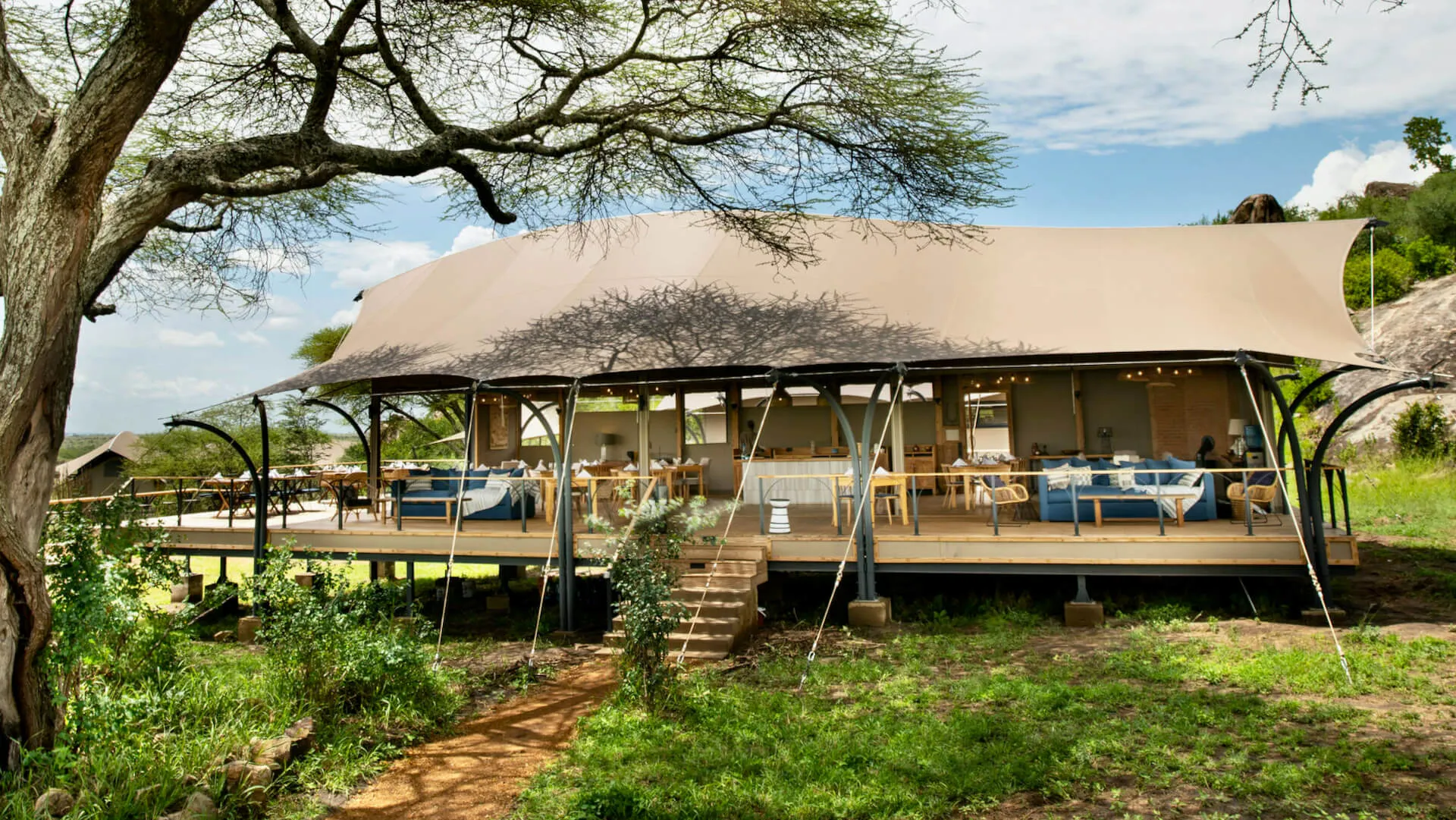
Accommodation options for Serengeti National Park tours range from budget to luxury. Budget travelers can choose public campsites or basic tented camps, offering close-to-nature experiences at low cost. Mid-range lodges and tented camps provide comfort with en-suite bathrooms, balancing affordability and convenience. Luxury lodges and mobile camps deliver premium services, fine dining, and private vehicles. Mobile camps move seasonally to follow the migration, placing guests near the action. Serengeti National Park tours benefit from diverse lodging choices, allowing travelers to match comfort levels with budget. Booking early is advised, especially during migration season, as popular lodges fill quickly.
6. Is it safe to go on a self-drive safari?
Self-drive Serengeti National Park tours are not recommended for first-time visitors due to strict regulations and challenging navigation. Off-road driving is prohibited, and the vast plains can be difficult to manage without experience. Booking with licensed tour operators ensures safety and enhances the experience, as professional guides know the best wildlife-viewing spots and understand animal behavior. Serengeti National Park tours with guides also provide valuable insights into ecosystems, making the safari more educational. While self-drive may appeal to adventurous travelers, guided tours remain the safer and more rewarding option.
7. Can I see the Big Five and the Great Migration?
Yes, Serengeti National Park tours offer both the Big Five and the Great Migration. Lions, leopards, elephants, rhinos, and buffalo all live in the park, though rhinos are harder to spot, especially outside Seronera. The Great Migration is visible year-round, but its location shifts with seasons. Serengeti National Park tours in July to September focus on river crossings, while January to March highlight calving in the south. Tour operators plan itineraries based on migration patterns, ensuring travelers are in the right area at the right time. Seeing both the Big Five and migration makes Serengeti one of Africa’s most complete safari destinations.

8. What should I pack for a safari?
Packing smart is essential for Serengeti National Park tours. Neutral-colored clothing in layers suits warm days and cool mornings, while avoiding bright colors helps blend into the environment. Comfortable walking shoes or boots are necessary, along with binoculars and a camera with spare batteries. Serengeti National Park tours also require health essentials like sunscreen, insect repellent, and anti-malarial medication. A wide-brimmed hat protects against sun, and reusable water bottles help with hydration. Important documents include passport, visa, insurance details, and small-denomination USD for tips. Packing light is advised due to luggage restrictions on domestic flights.
9. What other activities can I do besides game drives?
Serengeti National Park tours offer more than game drives. Hot air balloon rides provide sunrise views over the plains, followed by bush breakfasts. Guided walking safaris with armed rangers highlight smaller details like tracks, insects, and plants. Serengeti National Park tours also include cultural visits to Maasai villages, where travelers learn traditions and daily practices. These activities add variety, making safaris richer and more personal. Booking in advance is important, especially for balloon rides, as slots are limited. Mixing activities ensures travelers experience both wildlife and culture.

10. Do I need travel insurance for a Serengeti safari?
Yes, travel insurance is mandatory for Serengeti National Park tours. Policies must cover medical expenses and emergency evacuation, as the park is remote. Serengeti National Park tours also benefit from coverage for trip cancellations, lost luggage, and flight delays, given complex logistics. Insurance provides peace of mind, ensuring travelers are protected against unexpected events. Choosing comprehensive coverage is essential, as safaris involve varied risks. Without insurance, travelers may face high costs in emergencies
11. Are guided safaris better than group tours?
Guided Serengeti National Park tours with private vehicles offer flexibility, personalized attention, and tailored itineraries. Travelers can spend more time at sightings, adjust schedules, and enjoy deeper insights from guides. Group tours, while more affordable, follow fixed routes and schedules, which may limit experiences. Serengeti National Park tours with private guides are ideal for families, photographers, or those seeking comfort, while group tours suit budget-conscious travelers. Choosing between the two depends on priorities—cost savings or personalized value.
12. Can children join Serengeti safaris?
Children are welcome on Serengeti National Park tours, though age restrictions vary by lodge and activity. Game drives are generally suitable for kids, but walking safaris and balloon rides often require minimum ages. Serengeti National Park tours with family-friendly lodges provide child-focused activities, shorter drives, and safety measures. Parents should pack snacks, entertainment, and sun protection to keep children comfortable. With proper planning, safaris can be rewarding for families, offering educational experiences and lasting memories.

13. How crowded does the Serengeti get?
Crowds vary depending on season and location. Serengeti National Park tours during the Great Migration attract many visitors, especially near river crossings. However, the park’s vast size allows travelers to find quieter areas. Serengeti National Park tours in shoulder seasons (November, April, May) offer fewer tourists, lower costs, and more relaxed experiences. Choosing mobile camps or remote regions like the western corridor reduces crowding. Travelers should balance peak wildlife events with personal preference for solitude.
14. What health precautions should I take?
Health preparation is vital for Serengeti National Park tours. Anti-malarial medication is recommended, along with insect repellent containing DEET. Vaccinations such as yellow fever may be required depending on travel history. Serengeti National Park tours also demand sun protection—high SPF sunscreen, hats, and hydration. Travelers should carry personal medication, basic first aid, and travel insurance covering medical evacuation. Consulting a doctor before travel ensures readiness. Staying healthy allows guests to focus on wildlife and enjoy the safari fully.
15. Are night safaris available in the Serengeti?
Night drives are limited but possible in certain areas. Serengeti National Park tours in private concessions or lodges outside park boundaries may offer night safaris. These drives use spotlights to reveal nocturnal animals like bush babies, civets, and hunting lions. Serengeti National Park tours benefit from night drives as they show behaviors unseen during the day. Availability depends on lodge location and park rules, so travelers should confirm in advance. Night safaris add variety and depth to the overall experience.
16. How much does Serengeti National Park tours cost

The cost of Serengeti National Park tours varies widely depending on season, accommodation, and inclusions, ranging from about $150 per person per day for budget camping safaris to over $2,500 daily for luxury lodges or mobile camps that follow the migration. Mid-range options, which are the most popular, average between $350 and $700 per day, offering comfortable tented camps or lodges with en-suite facilities. Serengeti National Park tours in peak months like July–October and January–February are more expensive due to high demand, while green season months (March–May, November) can be up to 40–50% cheaper. Travelers should also budget for park fees (around $82.60 per adult per day in peak season), domestic flights, and extras such as hot air balloon rides, which cost about $600–$700 per person. Careful planning ensures value without compromising the safari experience.
Booking Serengeti National Park tours with Dav safaris
Booking Serengeti National Park tours with Dav Safaris guarantees a well-structured safari experience tailored to traveler needs, combining expert planning with personalized service. The company designs itineraries that align with seasonal highlights such as the Great Migration or calving season, ensuring guests are in the right place at the right time. Serengeti National Park tours with Dav Safaris include reliable transfers, carefully selected lodges or camps, and professional guides who maximize wildlife sightings while sharing valuable insights. Travelers benefit from transparent pricing, flexible options ranging from budget camping to luxury lodges, and the assurance of responsible tourism practices that support conservation and local communities. Choosing Dav Safaris means every detail is managed, allowing guests to focus on enjoying the safari and creating lasting memories