Find the top 10 Serengeti safari highlights from Great Migration crossings to hot air balloon rides, big cat action, sundowners, and Maasai culture
The Serengeti National Park tours are one of Africa’s most rewarding safari experiences, offering travelers a front‑row seat to nature’s greatest spectacles. Stretching across vast plains, woodlands, and river valleys, the park is home to the legendary Great Migration, where millions of wildebeest and zebras thunder across the landscape in search of greener pastures. Beyond this seasonal drama, the Serengeti delivers year‑round encounters with lions, leopards, elephants, and countless other species that define the African safari experience. Visitors can explore by vehicle, hot air balloon, or even on foot with expert rangers, each perspective revealing new layers of the ecosystem’s richness. Cultural interactions with the Maasai people add depth, reminding travelers that wildlife and humans have coexisted here for centuries. Whether it’s sundowners against golden horizons or the thrill of predator hunts, Serengeti tours promise unforgettable moments that combine adventure, discovery, and a profound connection to the wild
Best African safari tours now
3 Days Gorilla Trekking Safari in Rwanda
3 Days Chimpanzee Trekking Safari in Nyungwe Forest, Rwanda
4 Days Nyungwe Forest National Park and Lake Kivu Safari
4 Days Golden monkeys And Gorilla Trekking Safari
5 Days Amboseli and Tsavo West Wildlife Safari
6 Days Mount Kilimanjaro Machame Route
8 Day Serengeti, Ngorongoro Crater and Zanzibar
The Top 10 Signature Experiences for Serengeti National Park Tours
1. Witness the Great Migration River Crossings

Serengeti national park tours reach their peak drama when you watch the Great Migration cross the Mara River. Over 1.5 million wildebeest and zebras gather on the banks, then plunge into water filled with crocodiles. This happens from July to October in the northern part of the park. You need patience because the herds may spend hours deciding to cross. Guides use radio networks to track the moving animals, so you do not waste time driving blindly. Morning and late afternoon offer the best light for photos. Many people worry about missing the crossing, but staying at least three days in the north solves that problem. For Serengeti national park tours, this single event justifies traveling during the dry season when the action is daily.
2. Predator Action in the Namiri Plains and Ndutu Area
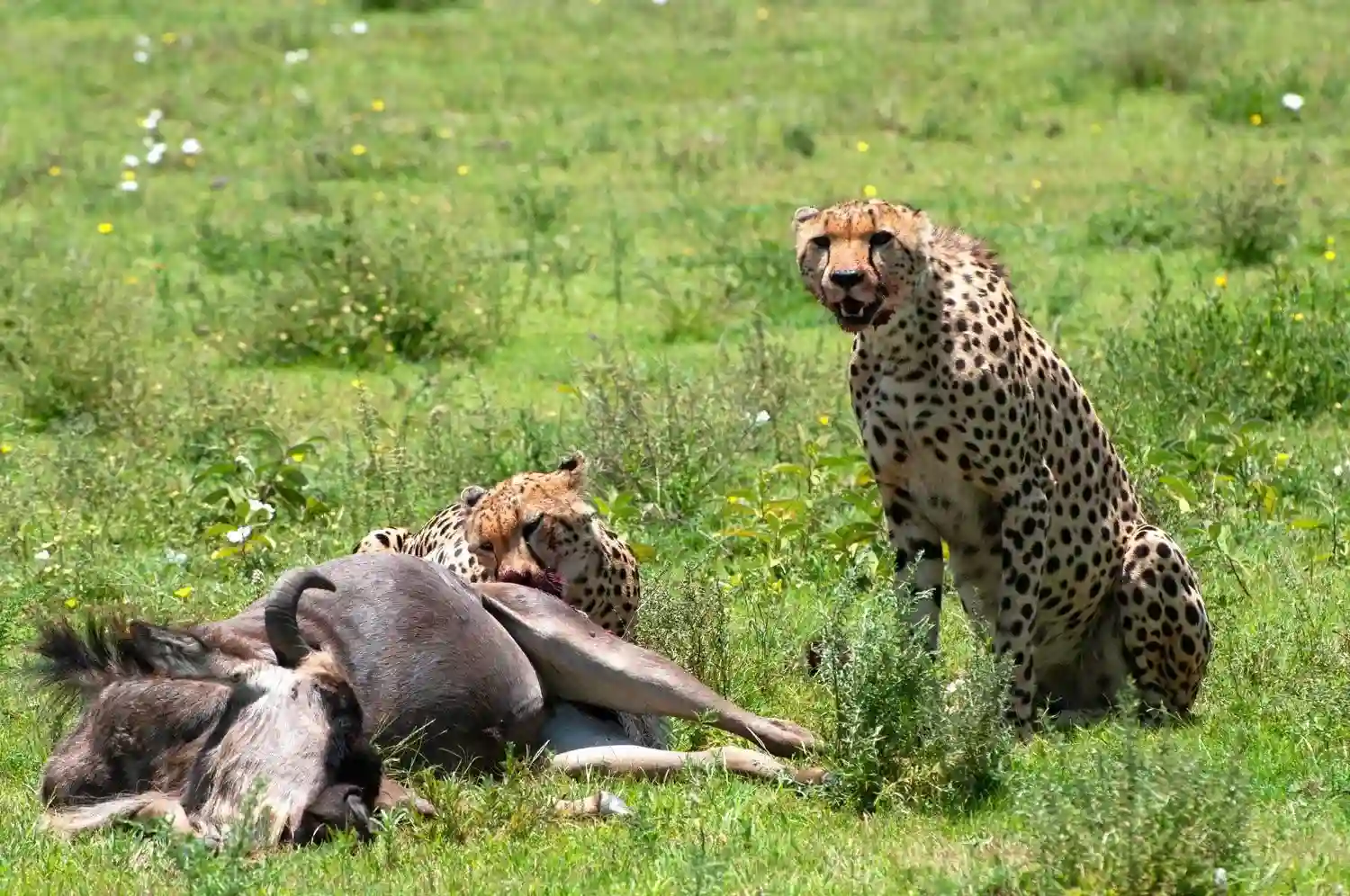
Serengeti national park tours focused on big cats work best from December to March in the southern Ndutu region. Over 8,000 calves are born daily, and lions, cheetahs, and hyenas hunt constantly. You see chases, kills, and feeding up close because the short grass blocks nothing. The Namiri Plains in the east was closed for cheetah research for twenty years, so those cats show no fear of vehicles. A full day drive lets you cover both areas. Safety is a common concern, but you stay inside the vehicle at all times while predators do their work. Serengeti national park tours during February give you the highest chance of watching a predator catch its prey within meters of your window.
3. Hot Air Balloon Safari at Sunrise

Serengeti national park tours can include a balloon ride that lifts you above the plains before dawn. You drive to the launch site, sip coffee while the pilot inflates the balloon, then float at treetop level for one hour. The basket holds up to sixteen people, so you are not crowded. You see herds of wildebeest, zebras, and elephants from above. After landing, you sit down to a cooked breakfast with sparkling wine in the bush. The cost runs 500 to 600 US dollars per person, but many travelers say it is worth the money. Book early because slots sell out months ahead. For Serengeti national park tours, the balloon solves the problem of understanding how vast the ecosystem truly is.
4. Walking Safari with Armed Rangers
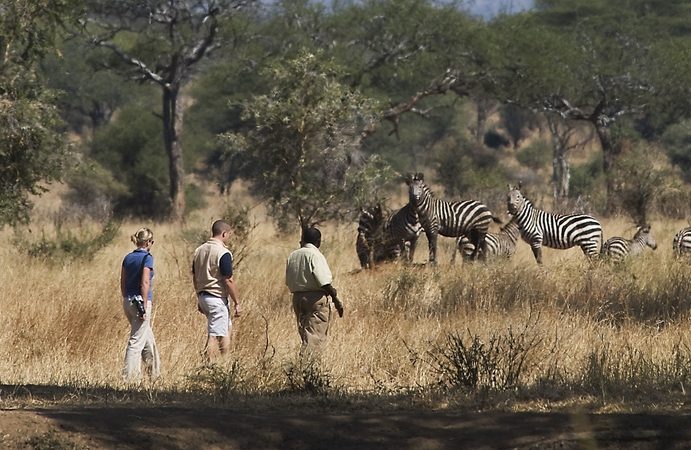
Serengeti national park tours that include a walking safari let you leave the vehicle and follow a ranger on foot for two to three hours. The ranger carries a rifle for safety, but the real purpose is teaching you tracking. You see animal footprints, droppings, bones, and small creatures like dung beetles that vehicles miss. You learn which plants treat wounds and which are poisonous. A common fear is meeting a lion or buffalo, but rangers know how to avoid dangerous situations. You must stay in a single file line and keep quiet. This activity is only allowed in special areas outside the main park zones, so check with your operator before booking. Serengeti national park tours with a walking option give you a deeper understanding of how animals live day to day.
5. Sundowners in the Bush

Serengeti national park tours often finish the day with a sundowner stop at a high point with a wide view. The guide stops the vehicle, and you get out while the sun drops low and the grass turns gold. The guide sets up a small table with drinks and snacks. You can have a beer, a gin and tonic, or a soft drink with roasted peanuts and crisps. This lasts about forty minutes before you drive back to camp in the dark. Many travelers worry about being stuck after sunset, but guides carry flashlights and radios. This activity costs nothing extra and breaks up the long drive back to camp. For Serengeti national park tours, a sundowner helps you relax and talk about what you saw during the day.
6. Night Game Drives in Private Concessions

Serengeti national park tours cannot do night drives inside the national park because the rules forbid it. However, private lands next to the park allow night drives. You go out around 8 p.m. with a spotlight, and the guide swings the light side to side while animal eyes glow back at you. You see bushbabies, genets, aardvarks, and spotted hyenas hunting. Lions do most of their killing at night, so you might watch a chase. The vehicle moves slowly, and you stay seated. Night drives are safe because the guide stays on marked tracks and does not chase animals. You must book a lodge inside a private concession to do this. Serengeti national park tours with a night drive double your chances of seeing animals that sleep during daylight hours.
7. Explore the Moru Kopjes
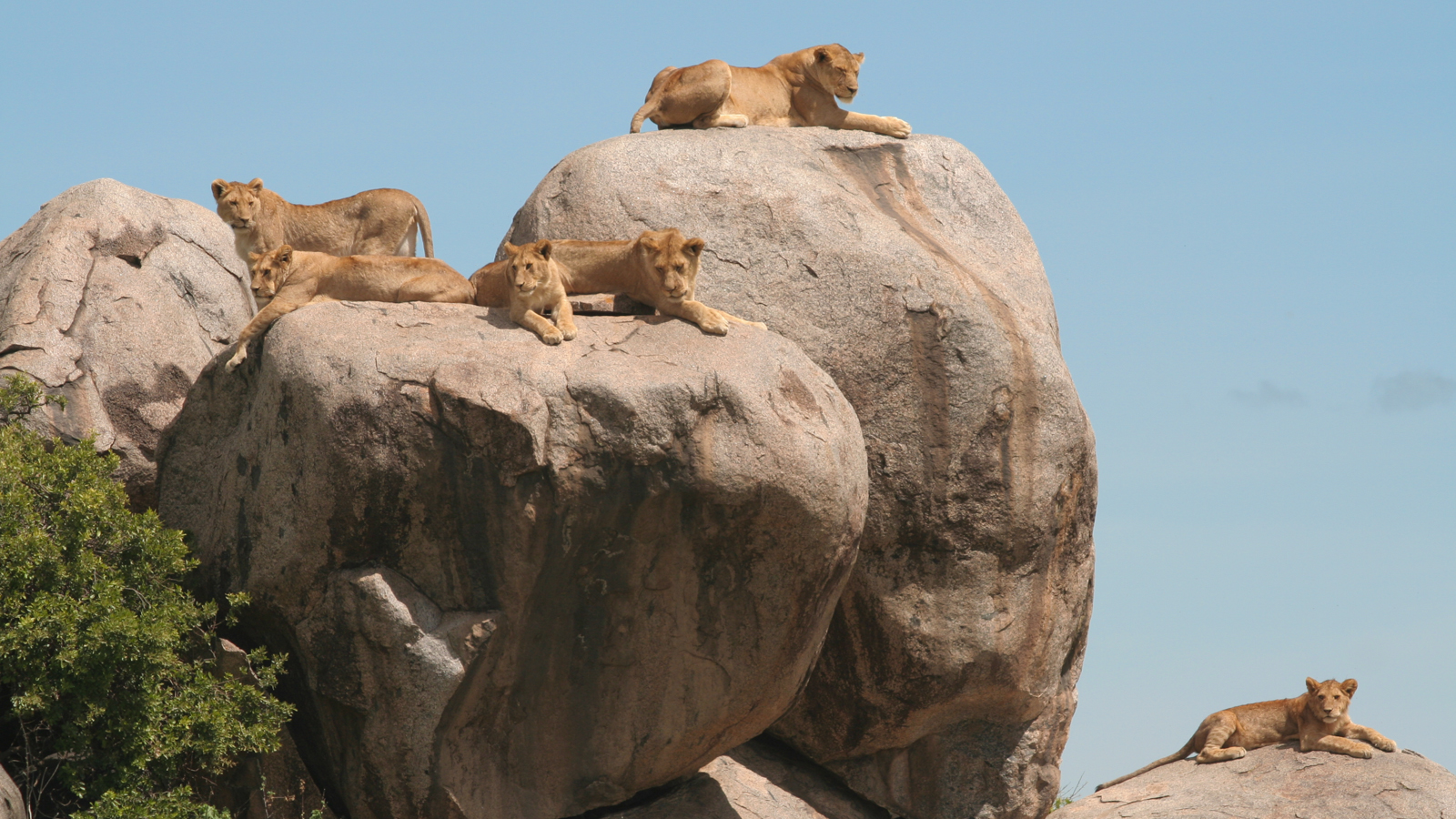
Serengeti national park tours that stop at the Moru Kopjes give you a break from driving across flat plains. Kopjes are old rock piles left after the ground eroded away. You park the vehicle and walk around the base with a guide. Lions rest on top of the rocks during the heat of the day. Leopards hide their kills in the cracks. On the rock walls, you see red paintings made by Maasai herders over one hundred years ago. Watch your step because pythons and cobras live in the gaps, but guides check the area first. A common worry is getting too close to dangerous animals, but you stay safe with a guide. Serengeti national park tours that include Moru Kopjes also have good chances of seeing rhinos hiding in nearby bushes.
8. Big Five Game Drives in Seronera

Serengeti national park tours based in the Seronera area give you the best odds of seeing the Big Five. The Seronera River runs all year, so animals stay close even during the dry months. You drive slowly along the riverbanks in the morning or late afternoon. Lions rest under acacia trees. Leopards lie on thick branches above the water. Elephants cross the road in front of you. Buffalo herds drink at the river's edge. Rhinos are rare, but a few live in this area under guard. Spend at least two full days driving the same loops because guides share information by radio. When one vehicle finds a leopard, others come to see. For Serengeti national park tours, the central location of Seronera makes it easy to reach from any camp.
9. Visit a Maasai Village
Serengeti national park tours that include a Maasai village visit teach you that people have lived alongside wildlife for hundreds of years. You drive to a circle of round mud houses where the men greet you with a jumping dance. The women show you how they make beaded jewelry, and you are invited inside a house to see the small, dark rooms. The villagers keep cows, goats, and donkeys inside the fence at night. A guide translates as you ask questions about daily life. You can buy bracelets and necklaces directly from the women who made them. To avoid feeling like a performance, choose a village that is not right next to a lodge. For Serengeti national park tours, this visit breaks up days of looking only at animals.
10. Hippo Pools and Birdwatching
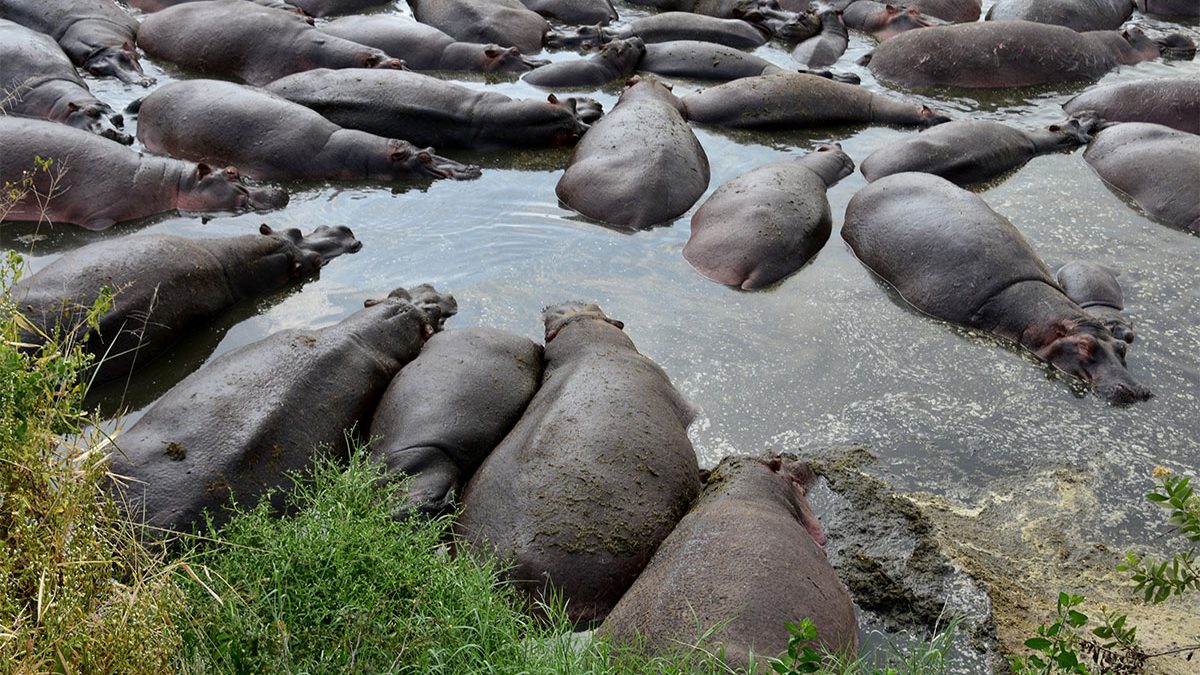
Serengeti national park tours that stop at the Retima Hippo Pool guarantee a sighting when the rest of the park feels empty. Over two hundred hippos pack into one water hole. You park on a raised bank and look down while the hippos grunt, yawn, and spray water. Every few minutes, a male chases another out of the group. You do not need binoculars because they are so close. The smell is strong, and the noise is loud. While watching hippos, you also see egrets, herons, and storks feeding near them. The park has over five hundred bird species, including the lilac-breasted roller. One hour at the hippo pool is enough because the hippos do not move much during the day. Serengeti national park tours use this stop to give you a break from searching for hidden animals.
Best time to experience the signature of Serengeti national park tours
Best Time is February for Calving Season or August for River Crossings
The absolute best time for Serengeti national park tours is February if you want predator action. During this month, over 8,000 wildebeest calves are born daily in the southern Ndutu region, and lions, cheetahs, and hyenas hunt non-stop. The grass stays short, so you see every chase and kill clearly. The second best time is August for the Mara River crossings in the north. Herds gather on the banks and plunge into crocodile-infested water, giving you the most dramatic wildlife show on earth. Both months offer dry weather, firm roads, and animals concentrated around water sources. Avoid April, May, and November because heavy rains make roads muddy and animals scatter across the plains, making Serengeti national park tours frustrating and slow.
Other Good Times for Specific Activities (June to October and December to March)
For balloon rides, walking safaris, and night drives, book Serengeti national park tours from June to October. These dry months give you clear skies for ballooning, firm ground for walking, and dry nights for spotting nocturnal animals. December and January are also good for calving season before the peak action in February. March offers the tail end of calving, but rains start to appear. Sundowners and Maasai village visits work any month because they do not depend on animal movement. If you want to combine river crossings with predator action, you cannot do both on one trip because they happen in different regions six months apart. Pick February for southern Serengeti national park tours or August for northern Serengeti national park tours as your top two choices.
How to get there for Serengeti national park tours

For Serengeti national park tours, most travelers fly into Kilimanjaro International Airport (JRO) near Arusha or Julius Nyerere International Airport (DAR) in Dar es Salaam. From Arusha, you have two options: book a small charter flight to one of the seven airstrips inside the park (Seronera, Kogatende, or Grumeti are the main ones), which takes one to two hours and saves you a full day of rough driving; or drive from Arusha to the park entrance at Naabi Hill Gate, which takes five to six hours on paved roads followed by two to three hours on dirt roads. The drive is cheaper but tiring, and roads turn muddy during the April-May rains. Many Serengeti national park tours include the flight as part of the package, so ask your operator in advance. If you fly into Dar es Salaam, take a connecting domestic flight to Arusha first, then follow the same options above
Best safari tips for experiencing Serengeti national park tours
Plan Your Timing and Pack Correctly
For Serengeti national park tours, book your trip around what you want to see. Pick February for calving season and predator action in the south, or August for river crossings in the north. Avoid April, May, and November because heavy rains close roads. Pack neutral colored clothes brown, green, khaki and leave dark blue and black at home because they attract tsetse flies. Bring a jacket for early mornings (temperatures drop to 50°F or 10°C) and light shirts for afternoons (up to 85°F or 30°C). Sunscreen, a hat, and sunglasses are necessary because the sun is strong even in winter. Binoculars are more useful than a fancy camera because you see animals from a distance. Most Serengeti national park tours provide drinking water, but bring your own reusable bottle to stay hydrated during long drives.
Follow Rules and Manage Expectations
Stay inside the vehicle at all times during Serengeti national park tours unless a guide says otherwise. Lions and leopards look calm but can attack in seconds. Listen to your guide about arrival and departure times because the park fines you for driving after sunset. Do not expect to see the Big Five in one day. Many travelers spend three days searching for a rhino and never find one. Be patient at river crossings because wildebeest may take five hours to decide to cross. Bring cash for park fees (usually paid in US dollars printed after 2013) because card machines fail often. Book your lodging six months ahead for July through October, or you will sleep outside the park and waste two hours driving to the gate each morning.
What to pack for Serengeti national park tours
While planning Serengeti national park tours, pack neutral colored clothes in brown, green, khaki, or tan leave white, bright colors, and dark blue or black at home because white gets dirty fast, bright colors scare animals, and dark shades attract tsetse flies. Bring long pants and long sleeved shirts for morning and evening drives (temperatures drop to 50°F or 10°C) and short sleeves for midday heat (up to 85°F or 30°C). A lightweight jacket or fleece is necessary for sunrise balloon rides. Sturdy closed-toe shoes work for walking safaris; sandals are fine only at camp. Pack sunscreen (SPF 30 or higher), a wide hat, sunglasses, lip balm with sun protection, and insect repellent with at least 30% DEET. Binoculars are more useful than a fancy camera because you see animals from a distance. Bring a reusable water bottle, wet wipes for dusty roads, power banks because charging options at camps are limited, and prescription medicines plus a basic first aid kit. Carry cash in US dollars printed after 2013 for park fees and tips because cards fail often and ATMs do not exist in the park. Leave jeans, heavy boots, formal clothes, drones (illegal in the park), plastic bags (banned in Tanzania), and anything white or red at home.
Best lodges and camps to stay in for Serengeti national park tours
While on Serengeti national park tours, the best lodges and camps depend on your budget and which part of the park you want to stay in. For luxury travelers, Four Seasons Safari Lodge in the central Serengeti offers 72 rooms with private plunge pools, a spa, and a kids' club , while Singita Sasakwa Lodge in the Grumeti private concession provides Edwardian-style cottages on a hill with sweeping plains views . In the mid-range category, Serengeti Serena Safari Lodge sits on a ridge in the central region with an infinity pool and traditional African architecture, and Kati Kati Tented Camp moves with the wildebeest migration so you stay close to the action. For budget travelers, Ikoma Tented Camp just outside the western corridor offers en-suite tents with the option for night drives , while Seronera Campsites inside the park provide the cheapest way to stay right in the middle of prime game viewing areas . For those wanting to follow the migration closely, mobile camps like Camp Zebra pack up and move between the northern Serengeti (July to November) and the southern Ndutu area (December to March) . Book all options at least six months ahead for peak season (July to October) because the best locations fill up fast
Booking Serengeti national park tours with Dav safaris
Choosing to book your Serengeti national park tours with Dav Safaris starts with a simple inquiry through their website or contact details, where their team helps you explore options based on your travel dates, group size, and budget. After you share your preferences, We conduct a consultation to craft a personalized itinerary that may include witnessing the Great Migration river crossings from July to October, targeting the calving season in the southern Serengeti from December to March, or focusing on Big Five game drives in central Seronera. Once you finalize the plan, you receive a detailed confirmation outlining your safari, accommodations, and included activities, followed by preparation tips on packing and health requirements. Upon arrival in Tanzania, Dav Safaris handles all logistics from airport transfers to park entry fees, and their professional guides like Julius, mentioned by past travelers as knowledgeable and entertaining, ensure smooth game drives in modern 4x4 vehicles with pop-up roofs. Previous clients report that everything went smoothly according to the itinerary, with no hidden fees or last-minute scrambles, making Dav Safaris a reliable choice for Serengeti national park tours