Plan your Tanzania safari between July and October for prime Mara River crossings, with peak action from late July to mid-August for best viewing
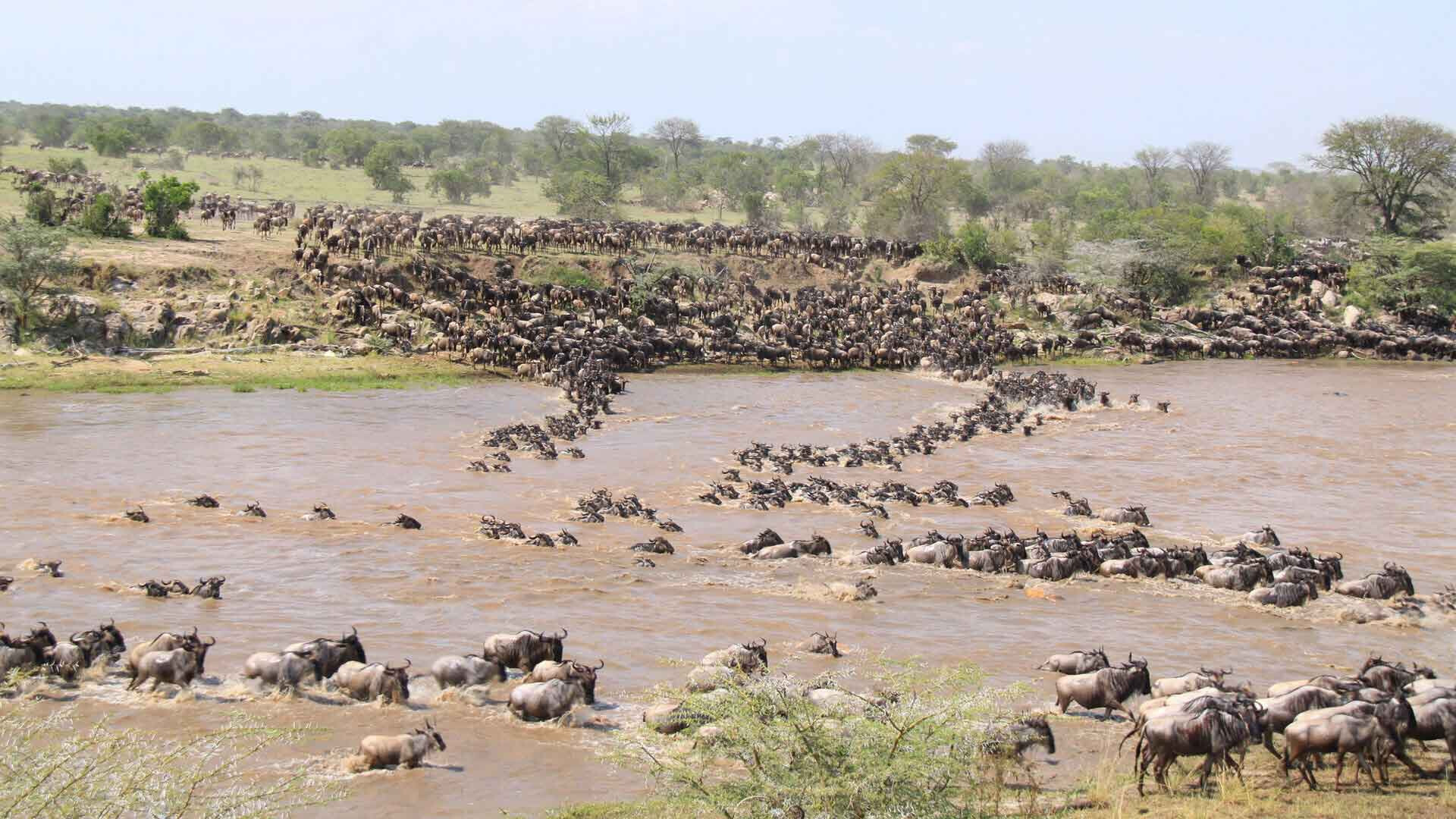
Time is right when you plan your Tanzania safari around the Great Migration, especially the dramatic river crossings that define this spectacle. Between late July and mid-August, mega-herds of wildebeest and zebras gather at the Mara River’s southern banks, creating bottlenecks that lead to intense crossings. This three-week window offers the highest probability of witnessing thousands of animals plunge into crocodile-filled waters while predators wait nearby. Arriving too early risks missing the lead groups, while arriving too late often finds herds scattered across Kenya. By aligning your safari with this prime period, choosing mobile camps close to the action, and staking out the river during morning hours, you maximize your chances of seeing nature’s most powerful migration event unfold. A Tanzania safari timed correctly ensures not just sightings, but a deeply rewarding wildlife experience
Best Tanzania safari tour packages
2-days-fly-in-serengeti-safari-in-tanzania
2-days-tarangire-national-park-and-ngorongoro-crater-safari
3-days-tanzania-safari-in-serengeti-national-park
3-days-tanzania-wildlife-safari
4-days-epic-tanzania-wildlife-and-culture-safari
5-day-kenya-and-tanzania-safari
5-days-circuit-wildlife-safari-in-tanzania
6-days-ndutu-migration-safari-calving-season
8-day-serengeti-ngorongoro-crater-and-zanzibar
8-days-wildlife-and-beach-holiday-tanzania
Best locations for Great Migration and River Crossing on Tanzania Safari

The best location for witnessing the Great Migration and dramatic river crossings on a Tanzania safari is the Kogatende area in the northern Serengeti, particularly between July and October when the mega-herds gather along the Mara River for the famous "crossings of heaven". This region offers spectacular viewing points where thousands of wildebeest and zebra plunge into crocodile-infested waters while predators like lions and hyenas wait on the banks, creating one of nature's most intense wildlife spectacles . For a less crowded alternative with equally thrilling crossings, the Lamai Wedge located north of the Mara River between the river and the Kenyan border provides a more secluded experience with natural elevated vantage points and resident lion prides, far from the tourist crowds found elsewhere. Before reaching the Mara, the Grumeti River in the Western Corridor offers excellent crossing opportunities from May through July, featuring massive Nile crocodiles and fewer visitors, making it a prime location for early-season migration viewing. During the calving season from December to March, the Ndutu Plains in the southern Serengeti become the best location to witness over 8,000 wildebeest calves born daily, attracting exceptional predator action as lions, cheetahs, and hyenas follow the vulnerable herds . The Seronera Valley in central Serengeti serves as a reliable year-round location where the migration frequently passes, offering consistent wildlife viewing even when the herds are scattered elsewhere
Best and Prime Time for Great Migration and River Crossing on Tanzania Safari
Late July
Late July marks the arrival of the lead groups at the Mara River, and while crossings do happen, they are irregular as herds test the waters. For travelers who value space and prefer fewer vehicles around, this period offers a quieter Tanzania safari experience. The action is not as intense as later months, but the advantage lies in the calmer atmosphere and the chance to observe early movements without heavy crowds. A Tanzania safari during this time is well-suited for those who want to avoid peak congestion while still having a fair chance of witnessing crossings. Flexibility is key, but the reward is a more personal wildlife viewing experience with less competition for prime spots.
August (Early to Mid)
August is the height of the migration season, often described as the most dramatic period for Mara River crossings. Thousands of wildebeest and zebras surge across the river, creating chaotic scenes that define the spectacle. For first-time visitors, this is the Tanzania safari moment that delivers the classic documentary-style experience. The probability of seeing large-scale crossings is highest, making it the most reliable time to plan. A Tanzania safari in early to mid-August ensures travelers maximize their chances of witnessing the migration at its most intense. While crowds are larger, the sheer scale of wildlife action outweighs the inconvenience, making this the prime recommendation for those seeking the ultimate migration view.
September
September continues to deliver excellent opportunities, with herds frequently moving back and forth between Tanzania and Kenya. This back-and-forth movement increases the chances of multiple crossings, giving photographers and wildlife lovers more opportunities to capture dramatic scenes. A Tanzania safari during September benefits from slightly fewer crowds compared to August, while still offering consistent action. The light conditions are often favorable, adding depth and atmosphere to photography. Choosing a Tanzania safari in September is ideal for those who want a balance between reliable crossings and a less crowded environment. It’s a strong month for travelers who value both quality wildlife viewing and a more relaxed safari setting.
October
October signals the tail end of the migration season, with herds beginning their southward return. Crossings are less predictable, requiring patience and flexibility from travelers. While not as consistent as August or September, a Tanzania safari in October still offers chances to see river crossings, especially for those who cannot schedule travel earlier. The benefit lies in reduced crowds, allowing for a calmer safari experience. A Tanzania safari at this time is best suited for travelers who prioritize timing convenience over guaranteed action. With fewer vehicles and a quieter atmosphere, October provides a more laid-back safari while still keeping the possibility of witnessing the migration alive.
How to Best Time the Great Migration and River Crossing on Tanzania Safari
1. Target the 3-Week Sweet Spot from Late July to Mid-August
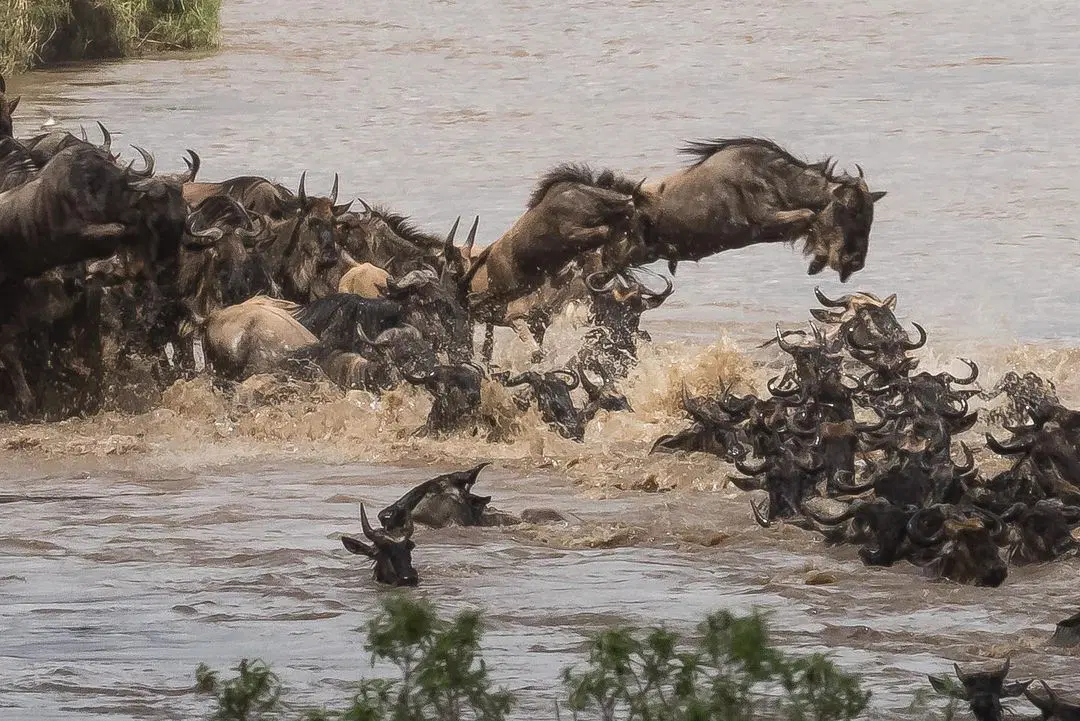
The most reliable period to plan a Tanzania safari for river crossings is July 20 – August 15. During these weeks, mega-herds gather at the Mara River’s southern banks, creating bottlenecks as they push toward fresh Kenyan grass. Arriving before July 25 risks missing the lead groups, while arriving after August 20 often means herds are already scattered. A Tanzania safari in this window maximizes your chances of seeing large-scale crossings, with thousands of wildebeest and zebras packed tightly along the river. Timing is everything, and this three-week sweet spot offers the highest probability of witnessing the migration at its most intense.
2. Book Your Safari for the First Half of the Week
Crowds at crossing points peak on weekends, especially near Kogatende, as most fly-in safaris arrive then. To avoid this, schedule your Tanzania safari stay from Monday or Tuesday. This strategy reduces vehicle numbers at riverbanks by 50–70%, giving you a calmer viewing environment. Wildebeest are sensitive to noise, and large convoys often delay or stop crossings. A Tanzania safari planned for the first half of the week increases your chances of witnessing uninterrupted action. By choosing quieter days, you not only improve your odds of seeing a crossing but also enjoy a more relaxed safari experience without the stress of overcrowding.
3. Choose a Mobile Camp That Moves Every 2-3 Days

Fixed lodges can mean long drives of 1–2 hours to reach herds, wasting valuable crossing hours. Instead, book a mobile tented camp that relocates every 2–3 days, staying within 15 minutes of active crossing points. Camps like Serengeti Safari Camp or Nomad Tanzania follow herd movements closely. On a Tanzania safari, this flexibility ensures you’re always near the action, maximizing your chances of seeing crossings during prime hours. Ask operators for their move schedule before booking to confirm alignment with herd patterns. A Tanzania safari with a mobile camp saves time, keeps you close to the river, and increases your odds of witnessing dramatic crossings.
4. Wake Up at 5:30 AM to Stake Out the River
Crossings rarely occur after 3 PM, with the best window between 8:30 AM and 11:30 AM. To secure a good spot, wake up at 5:30 AM and be at the river by 6:30 AM. Early arrival allows you to wait quietly as herds gather, often leading to sudden chaos within minutes. On a Tanzania safari, patience during these morning hours pays off, as the first 2 hours are usually silent before crossings erupt. Bring coffee and prepare for long waits, because timing is unpredictable. A Tanzania safari planned around early mornings gives you the highest chance of witnessing major crossings under favorable light conditions.
5. Target the Bologonja River Sector (Not Just Mara)
Most guides focus on the Mara River near Kogatende, but the Bologonja River offers fewer crowds and consistent crossings from mid-August to September. Its narrower width forces wildebeest to commit faster, reducing delays. A Tanzania safari that includes Bologonja provides a quieter, more reliable viewing experience. Request this sector specifically, as many operators avoid it due to longer drives. By adding Bologonja to your Tanzania safari plan, you diversify your chances of seeing crossings without the congestion of popular spots. This strategy ensures a more rewarding safari, with better opportunities to observe natural behavior in a less disturbed environment.
6. Time Your Safari to the Moon Phase
Wildebeest often cross during waning gibbous to last quarter moons, when nights are darkest. They use this cover to approach rivers unseen by crocodiles. Scheduling your Tanzania safari for the five days after a full moon increases crossing frequency up to three times compared to new moon periods. Checking lunar calendars before booking ensures your safari aligns with natural herd behavior. A Tanzania safari timed with moon phases gives you a statistical advantage, improving your chances of seeing multiple crossings. This detail may seem small, but it can make the difference between waiting endlessly and witnessing dramatic migration events.
7. Book a Fly-in Safari to Kogatende Airstrip
Driving from central Serengeti to the northern sector takes 6–8 hours, costing you a full day of potential crossings. Instead, fly directly to Kogatende Airstrip from Arusha or Kilimanjaro. Flights with Auric Air or Coastal Aviation take about 2 hours, landing you within 20 minutes of active crossing points. A Tanzania safari planned this way maximizes your time, giving you a full afternoon to scout crossings immediately upon arrival. By avoiding long drives, you save energy and increase your chances of seeing action. A Tanzania safari with a fly-in option is efficient, practical, and ensures you don’t miss prime migration hours.
8. Hire a Guide With a River Radio Network
Not all guides have equal access to information. The best belong to the Kogatende River Radio network, sharing real-time alerts about herd movements. This system gives you a 30-minute head start compared to guides relying only on visual scouting. On a Tanzania safari, this advantage can mean the difference between missing or witnessing a major crossing. Ask operators directly if their guides are part of the network before booking. A Tanzania safari with a connected guide ensures you’re always in the right place at the right time, increasing your odds of seeing large-scale crossings without wasted hours.
9. Plan for 4 Mornings, Not 3 Days
Typical itineraries list “3 days in northern Serengeti,” but this only gives you 2 full mornings due to travel time. Statistically, you need 3–4 mornings to witness a major crossing of over 5,000 animals. A Tanzania safari planned for 4 nights ensures 3 full mornings of stakeouts, raising your odds above 70%. With only 2 mornings, chances drop below 40%. A Tanzania safari structured around mornings is essential, as crossings are most frequent before midday. Extending your stay slightly improves your probability significantly, making this one of the most practical adjustments for travelers serious about seeing the migration.
10. Avoid the False Crossing Trap on Your First Day
Wildebeest often gather at riverbanks, then retreat without crossing, wasting hours for unprepared visitors. To avoid this, guides should wait until at least 50 animals enter the water past their knees before committing to a stakeout. On a Tanzania safari, this rule prevents wasted time and keeps you mobile. Herds often switch bends within 2 hours, so staying flexible is key. A Tanzania safari planned with this strategy ensures you don’t miss real crossings while stuck at false alarms. By scouting multiple bends within 5 km, you increase your chances of catching genuine action and maximize your safari value
Best safari activities to do on Tanzania safari during great migration
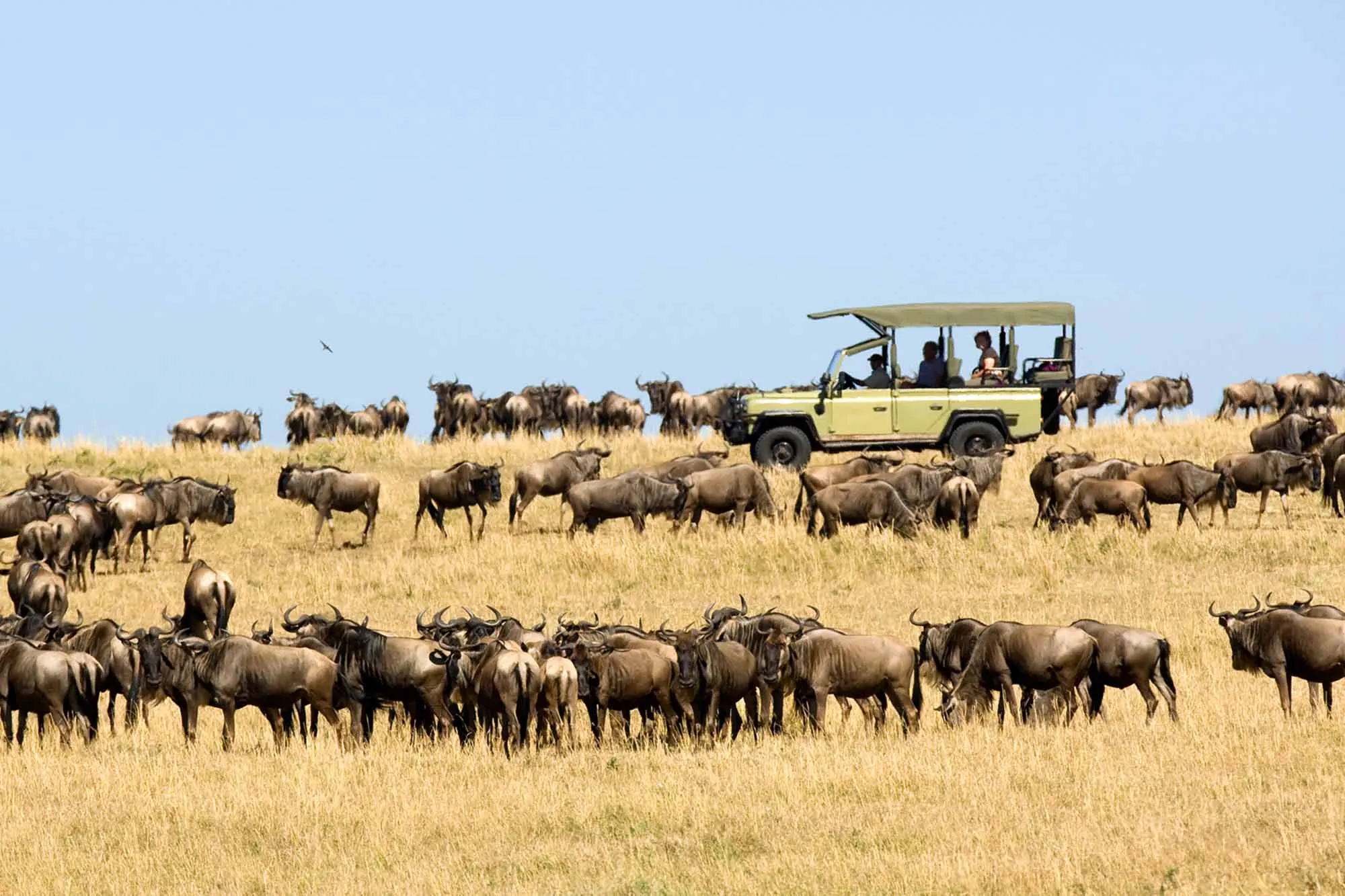
During a Tanzania safari, the great migration offers far more than just river crossings. A Tanzania safari should include guided walking safaris along the Mara River's banks, where you track the migration's advance while learning about animal tracks and medicinal plants. These walks provide a ground-level perspective impossible from a vehicle. Your Tanzania safari becomes immersive when you combine walking with mobile camping, waking up each morning within hearing distance of the murmuring herds. This activity reveals the migration's quiet moments the tense stillness before a crossing attempt. A Tanzania safari focused on walking safaris also delivers exceptional birding opportunities during the migration's peak.
Hot air balloon safaris elevate your Tanzania safari to unforgettable heights at dawn over the northern Serengeti. From above, a Tanzania safari reveals the migration's true scale endless ribbons of wildebeest stretching to the horizon. You witness river crossings from a completely different angle, watching crocodiles slide beneath the surface as herds gather at the banks. Your Tanzania safari gains a strategic advantage from the air, as pilots radio ground vehicles about potential crossing points. A Tanzania safari that includes a balloon flight ends with a champagne breakfast in the bush, celebrating the spectacle you have witnessed from above.
Night game drives transform your Tanzania safari after sunset, when the migration's predators become most active. A Tanzania safari in the northern Serengeti allows you to witness lions hunting wildebeest under cover of darkness, using specialized spotlights that do not disturb the animals. Your Tanzania safari reveals the migration's hidden drama as hyenas stalk the herds' edges and leopards descend from trees near the river. This activity requires staying at private conservancy camps, making your Tanzania safari both exclusive and action-packed. A Tanzania safari with night drives maximizes your chances of seeing predator-prey encounters that daytime visitors miss entirely.
Photographic hides bring you eye-level with the migration during your Tanzania safari, positioned along the Mara River's crossing points. A Tanzania safari using custom-built hides allows you to photograph crocodile attacks and wildebeest plunging into the water from just meters away. Your Tanzania safari becomes a photographer's dream as morning light illuminates the dust kicked up by stampeding herds. These hides require advance booking, but they transform a standard Tanzania safari into an intimate documentary experience. A Tanzania safari with dedicated hide time yields images impossible to capture from any safari vehicle.
Cultural visits to Maasai villages complement your Tanzania safari during the migration's quieter afternoon hours. A Tanzania safari that balances wildlife viewing with cultural immersion includes learning how Maasai warriors have co-existed with the migration for centuries. Your Tanzania safari gains deeper meaning when you hear stories of past river crossings passed down through generations. These visits also support local communities, ensuring your Tanzania safari contributes to conservation beyond park fees. A Tanzania safari that ends each day with cultural exchange leaves you with not just photographs but understanding
What to pack for Tanzania safari and the Great migration
For your Tanzania safari during the Great Migration, focus on versatile, neutral-colored clothing in khaki, beige, and olive, including lightweight long-sleeved shirts, convertible pants, a fleece or jacket for chilly mornings, a wide-brimmed hat, and sturdy walking shoes . Essential gear includes binoculars (8×42 or 10×42), a camera with a telephoto zoom lens (100–400mm), extra batteries, memory cards, a headlamp, and a reusable water bottle . Health and safety items are critical, so pack high-SPF sunscreen, DEET-based insect repellent, a basic first aid kit with antidiarrheal medication and painkillers, antimalarial tablets, hand sanitizer, and wet wipes . Travel documents require your passport with at least six months validity, Tanzania visa, travel insurance papers, and Yellow Fever certificate if applicable, plus USD cash in small denominations . Use a soft-sided duffel bag (maximum 15–20 kg) instead of hard suitcases, pack a daypack for daily essentials, and consider bringing a power bank, universal adapter (Type D or G), and dry bags to protect electronics from dust and rain
Best lodges and camps to stay in during Tanzania safari for migration

The best lodge for witnessing the Great Migration is Kichakani Camp, an A&K Sanctuary mobile camp that positions itself perfectly for river crossings from June to November in the north or calving from December to March in the south, offering ten luxurious tents and front-row access to the action . For equally exceptional migration viewing, TAASA Migration Camp provides twelve elegant suites in the Kogatende region during dry season, complete with opulent dining, guided game drives, and bush dining experiences that place you moments from the Mara River's dramatic crossings . Another top contender is Kimondo Migration Camp, an intimate eight-tent mobile camp situated on the exclusive Lamai Wedge, where you can witness river crossings without the crowds that flock to busier areas, with Asilia's renowned hospitality and service ensuring a memorable stay . For travelers seeking permanent luxury lodges rather than mobile camps, Lemala Kuria Hills Lodge offers fifteen spacious tented suites tucked among boulders overlooking the northern Serengeti plains, complete with private plunge pools, a spa, and exceptional year-round game viewing with expert guides who know exactly where the herds will be . Mid-range and budget-conscious travelers should consider Nyikani Migration Camp, a mobile camp that moves seasonally between Ndutu for calving season and Kogatende for river crossings, featuring twelve comfortable tents at a fraction of the price of luxury properties, or Mara Kati Kati Camp, a simple seasonal camp located close to the Mara River offering authentic bush experiences without breaking the bank
Booking Tanzania safari with Dav safaris
Booking your Tanzania safari with Dav Safaris ensures a seamless and expertly guided experience tailored specifically to witnessing the Great Migration, as they specialize in positioning you at the right locations whether the southern Serengeti for the calving season from January to March or the northern Mara River region for dramatic crossings between July and October. Our team manages all logistics, from park entry fees and comfortable 4x4 vehicles to handpicked lodges and mobile camps that move with the herds, allowing you to focus entirely on the wildlife without logistical stress. Experienced guides, praised in traveler reviews for their knowledge and ability to find exceptional sightings, lead game drives during prime wildlife-viewing hours and can arrange optional hot air balloon safaris for a breathtaking aerial perspective of the migration. Dav Safaris also offers customizable packages that combine migration-focused safaris with cultural visits to Maasai villages or even a relaxing beach extension to Zanzibar, creating a well-rounded Tanzanian adventure. For the best experience and lodge availability near river crossing points, it is recommended to book your Tanzania safari with Dav Safaris at least six to twelve months in advance, especially for peak season travel between June and October