Experience the best of Botswana safari tour with Okavango Delta, Chobe elephants, Makgadikgadi salt pans, and Kalahari wilderness from May–October
Did you know that Botswana safari tours are among the most exclusive in Africa, offering vast wilderness with minimal crowds? Unlike many East African parks where vehicles cluster around sightings, Botswana enforces low‑volume tourism, ensuring privacy and tranquility. The Okavango Delta stands out with its unique water‑based safaris, where mokoro canoe rides bring you close to hippos, crocodiles, and elephants in a serene setting. Chobe National Park, home to the world’s largest elephant population, guarantees unforgettable encounters, while Makgadikgadi Pans provide surreal salt‑flat landscapes and seasonal zebra migrations. For travelers seeking authenticity and space, Botswana delivers unmatched safari experiences.
A Botswana safari tour is best enjoyed during the dry season from May to October, when wildlife gathers around permanent water sources and sightings are at their peak. Moremi Game Reserve offers predator action and walking safaris, while the Central Kalahari Game Reserve immerses adventurers in raw isolation with black‑maned lions. Activities range from river cruises and night drives to quad biking across salt pans and birdwatching from hides. Though prices are higher than in Kenya or South Africa, the exclusivity and quality of encounters justify the investment. For those who value wilderness, intimacy, and diversity, Botswana remains a premier safari destination
Best Botswana safari packages
3 Days Best of Botswana Safari in Moremi Game Reserve
3 Days Botswana Safari in Chobe National Park from Victoria Falls
3 Days classic Chobe family safari packages
4 Day Botswana Safari with Makgadikgadi Zebra Migration Experience
4 Days Botswana Tour Combo with Chobe Safari and Victoria Falls
5 Days Botswana Tour in Okavango Delta and Moremi Game Reserve
5 Days Botswana Wildlife Safari
6 Days Botswana Family Safari in the Okavango Delta & Makgadikgadi NP
7 Days Makgadikgadi Pans, Okavango Delta, and Chobe Botswana Safari
4 Days best of Okavango and Moremi Botswana safari package
3 Days classic Chobe family safari packages
Why choose Botswana safari tour
A Botswana safari tour gives you open floodplains and huge elephant herds without the vehicle crowds common in East Africa. Unlike Kenya where many vehicles surround a single lion sighting, Botswana’s strict low-volume tourism means you often have animals all to yourself. The Okavango Delta offers water-based game viewing by mokoro canoe, letting you see hippos and crocodiles from a silent boat. Chobe National Park holds the world’s largest elephant population, visible year-round along the river. A Botswana safari tour also includes the salt pans of Makgadikgadi, where you see meerkats and zebra migrations. Prices are higher than Kenya, but you pay for exclusivity and uncrowded roads. For travelers tired of busy parks, a Botswana safari tour provides private-type experiences without sharing every sighting. The dry season from May to October gives the best wildlife concentration around permanent water sources

Best places to visit for Botswana safari tour
Okavango Delta
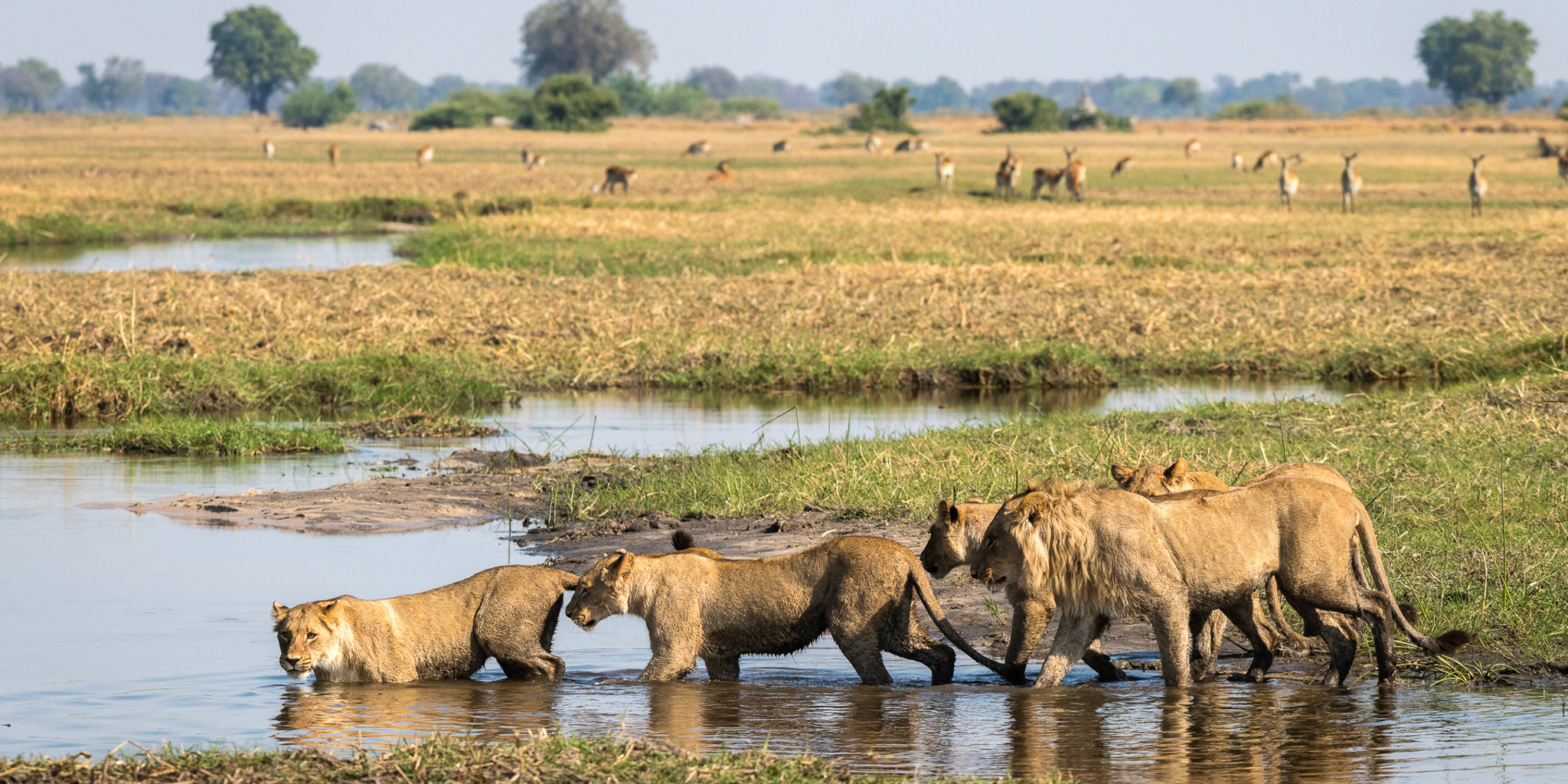
The Okavango Delta is a massive inland water system where floodwaters spread across the desert. You move by mokoro canoe through narrow channels, getting close to hippos, crocodiles, and elephants drinking at the water’s edge. A Botswana safari tour here gives you a different view because you are silent and low to the water. The Delta has over 500 bird species including herons, eagles, and kingfishers. The best time for a Botswana safari tour in the Delta is dry season from May to October when animals gather around permanent water. You sleep on small islands in tented camps. This place costs more than other Botswana parks because access requires small planes. But for pure water-based wildlife viewing, nothing else matches it.
Moremi Game Reserve
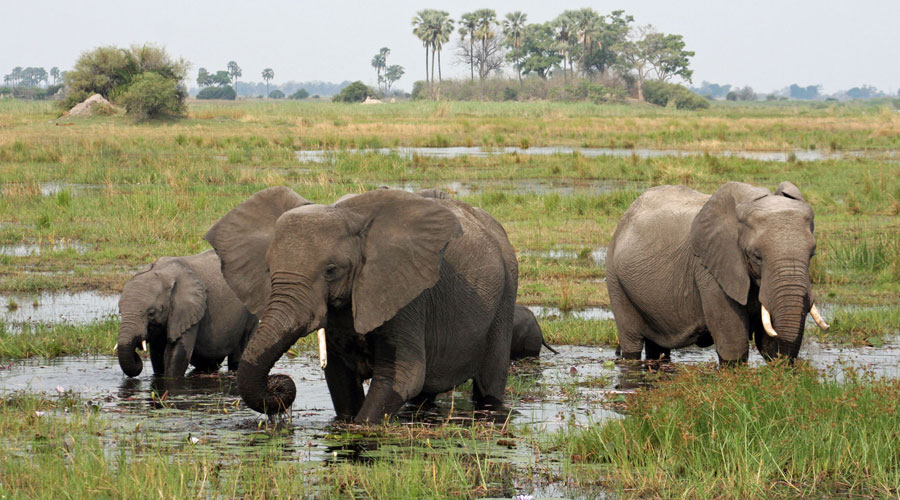
Moremi sits on the eastern side of the Okavango Delta and combines dry land with waterways. You see lions, leopards, African wild dogs, and buffalo on game drives along the Khwai River floodplains. A Botswana safari tour in Moremi works well for self-drive travelers because the roads are marked and campsites exist. The reserve was the first in Africa created by local communities, so visitor numbers stay controlled. You need a 4x4 vehicle with high clearance because sand tracks can get soft. The best months are June to October. Moremi offers affordable entry fees compared to private concessions. For a Botswana safari tour focused on predators and walking safaris, this reserve delivers consistent action.
Chobe National Park
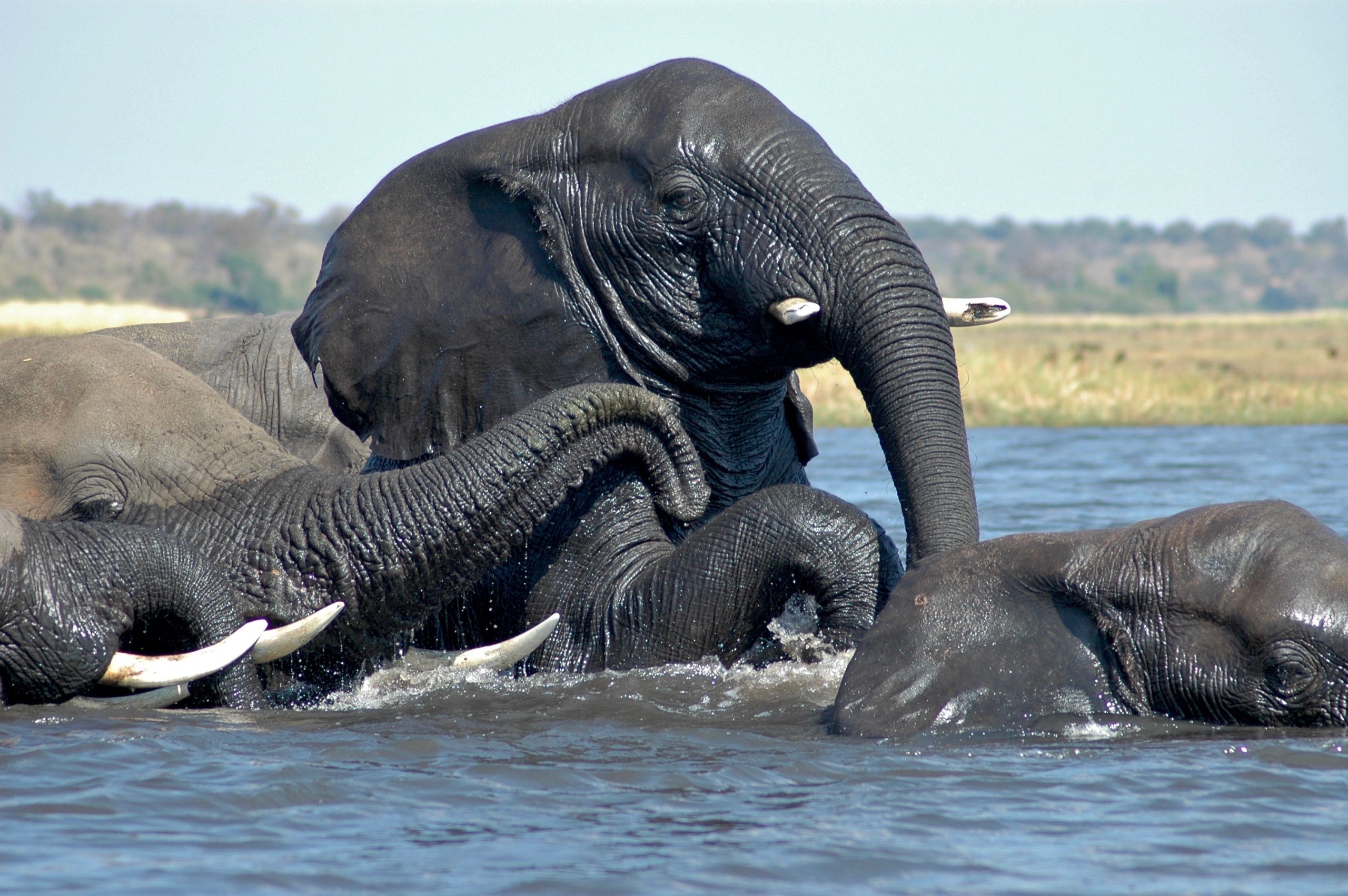
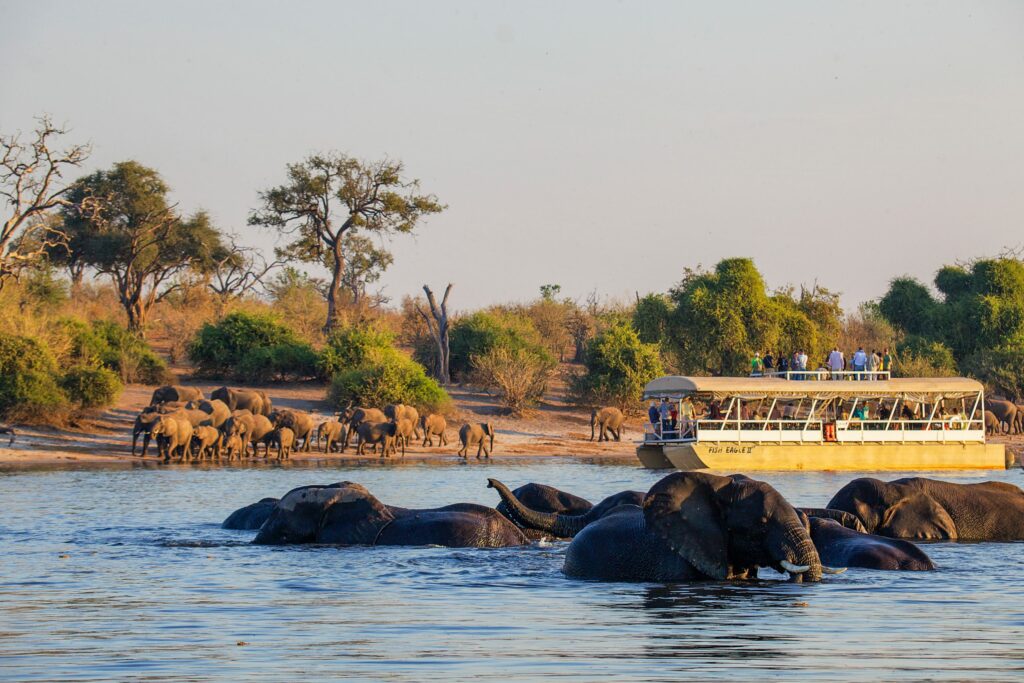
Chobe holds the world’s largest elephant population, around 50,000 animals, seen best on a river cruise. You sit in a small boat and watch elephants swim between islands, plus hippos and crocodiles at close range. A Botswana safari tour in Chobe also includes the Savuti region where lions hunt zebras during the migration from November to April. The riverfront area is most active from May to October. You can do both morning game drives and afternoon boat trips in one day. Lodges inside the park cost more, but you stay in Kasane town just outside the gate for cheaper options. For a Botswana safari tour with easy access and guaranteed elephant sightings, Chobe is the most reliable choice.
Makgadikgadi Pans
The Makgadikgadi Pans are a vast white salt flat stretching as far as your eyes can see. A Botswana safari tour here feels like standing on another planet, with no trees or hills. After summer rains from November to March, zebras and wildebeest migrate across the pans, followed by lions and cheetahs. You can ride a quad bike across the flat surface or walk with habituated meerkats that climb on your lap. The best time for a Botswana safari tour to see the migration is December to February. For the salt pans without animals, visit in dry months from May to October. Accommodation ranges from basic campsites to expensive lodges. This place is completely different from Delta or Chobe and worth three days.
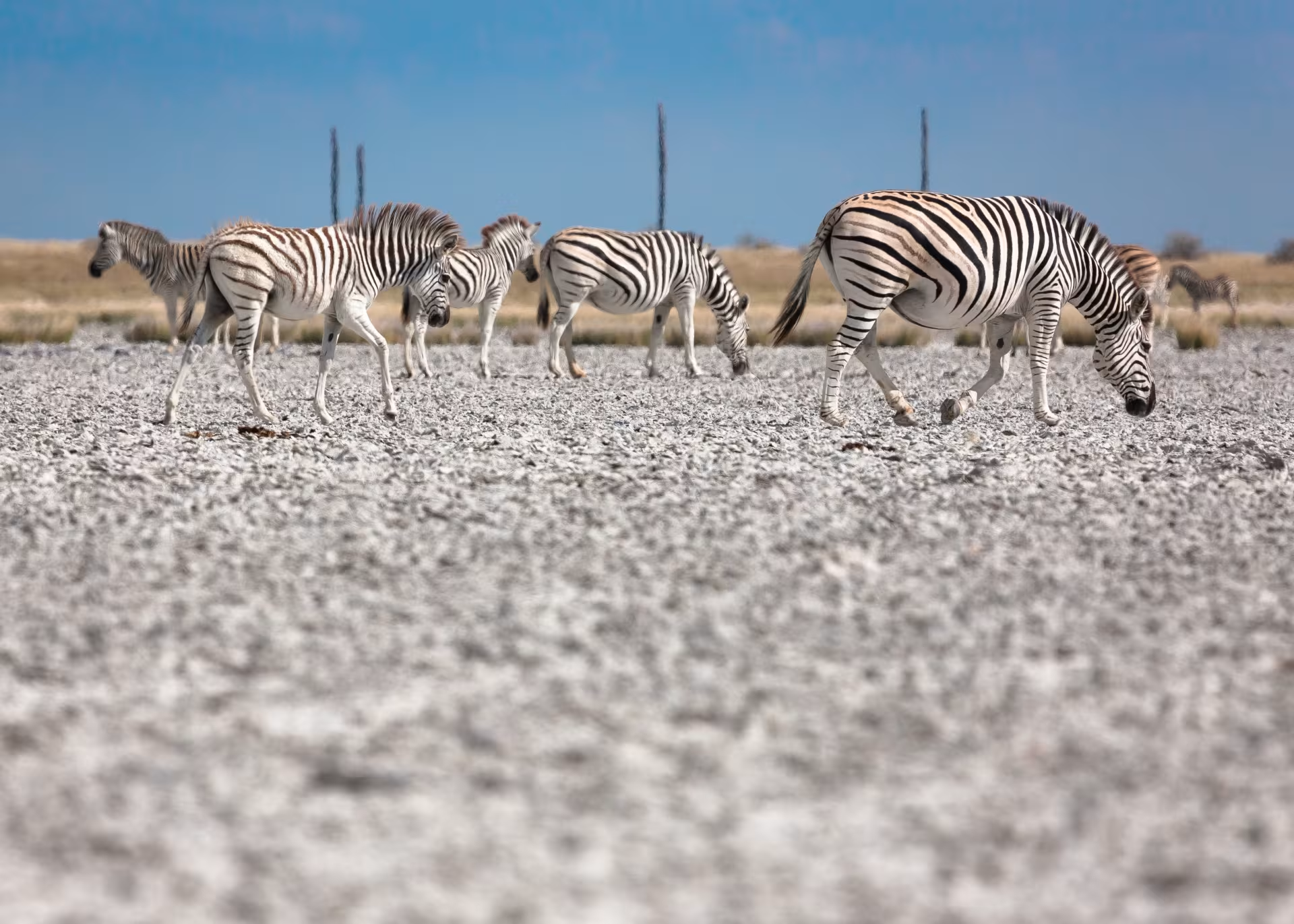
Central Kalahari Game Reserve
The Central Kalahari is vast, remote, and empty of other vehicles. You drive for hours seeing only oryx, springbok, and brown hyenas. A Botswana safari tour here requires a self-sufficient 4x4 with extra fuel, water, and food because no shops exist inside. The best wildlife viewing happens from December to April when seasonal rains bring zebra herds into the Deception Valley area. Black-maned Kalahari lions are the main attraction they are larger and darker than other African lions. You sleep at designated campsites with no fences, so animals walk through your camp at night. This is not for first-time safari travelers but for those who want real isolation. A Botswana safari tour in the Kalahari gives you pure wilderness without lodge crowds
Best safari activities to do on Botswana safari tour
1. Mokoro Canoe Trip in Okavango Delta

You sit in a narrow fiberglass canoe pushed by a local guide using a long pole. The mokoro moves silently through shallow water channels, so you get close to hippos, elephants, and crocodiles without disturbing them. A Botswana safari tour must include this activity because water-based viewing shows animals from a different angle. You see bird species like jacanas and kingfishers perched on lily pads. Trips last two to four hours, usually in the morning when animals are active. Wear a hat and sunscreen. This is calm, not physically hard. No swimming experience needed.
2. Chobe River Boat Cruise
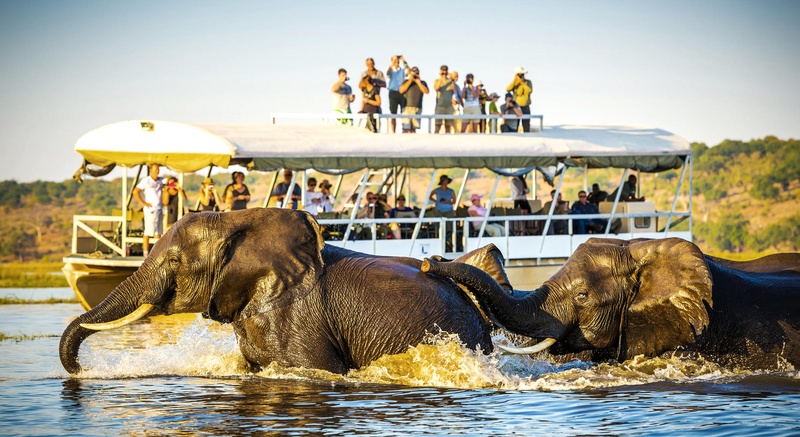
A motorboat takes you along the Chobe River’s edge where elephants, buffalo, and giraffes drink. You stop near hippo pods and watch them yawn and splash. The boat has shaded seats and a toilet. A Botswana safari tour here gives you sunset views with herds crossing the river. This is better than game drives for photography because animals are at eye level. Cruises run for three hours in the afternoon. Bring binoculars and a jacket for wind. Operators provide life jackets. You can combine this with a morning game drive in Chobe National Park for a full day on the same entry ticket.
3. Night Game Drive in Private Concessions
Go out after dark with a spotlight to find nocturnal animals. A Botswana safari tour in places like Khwai or Linyanti lets you see genets, civets, aardvarks, and lions hunting. Night drives are not allowed inside national parks, only in private reserves. The vehicle has red lights that do not scare animals. You stay out for two to three hours. Bring warm clothes because temperatures drop fast. Your guide uses a handheld spotlight to scan bushes. This activity costs extra but gives you a completely different set of animals. Book it in advance because only small groups can go.
4. Quad Biking on Makgadikgadi Salt Pans

You ride a small four-wheeled bike across flat white salt crust that stretches to the horizon. A Botswana safari tour on the pans feels like driving on the moon. You do not need previous experience. The guide leads you to Baobab trees and possible meerkat colonies. Rides last two hours including safety briefing. Wear closed shoes and sunglasses for dust. The best time is dry season from May to October when pans are hard. Avoid wet season when surfaces become muddy. You can also ride at sunrise for cooler temperatures. Helmets and goggles are provided by the operator.
5. Walking Safari with Armed Guide
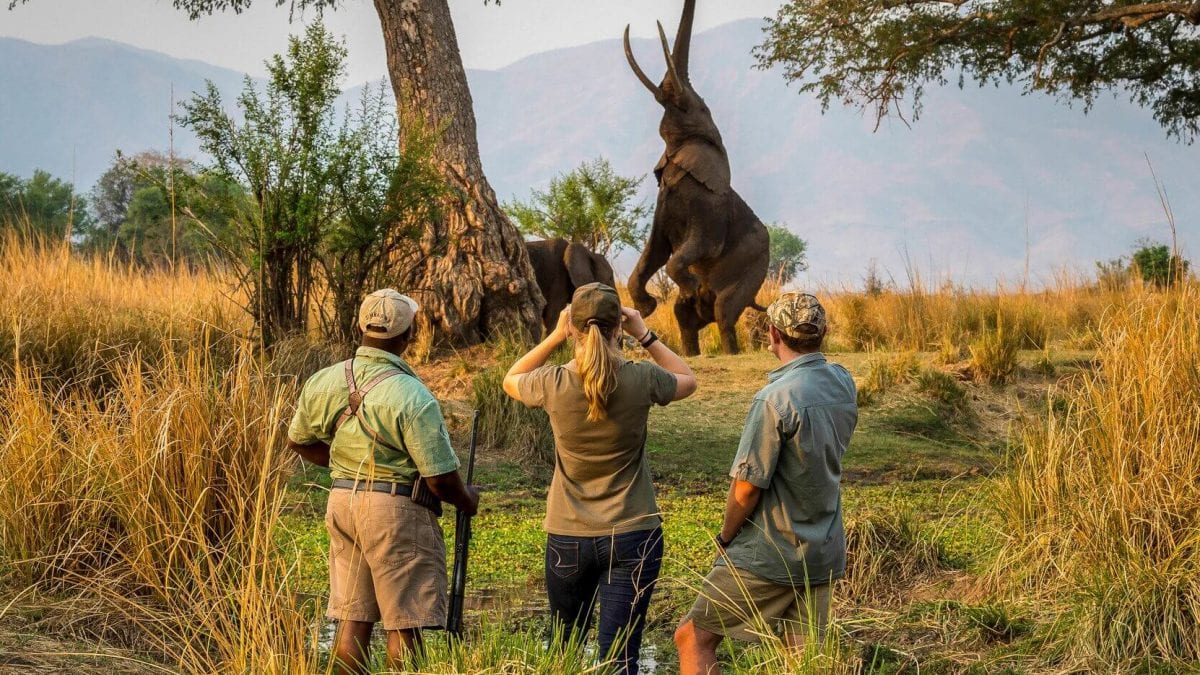
Walk in a line behind a ranger carrying a rifle. A Botswana safari tour walking activity keeps you safe while you learn about animal tracks, termite mounds, and medicinal plants. You stay 100 meters away from large animals. Walks last two to three hours in the morning when it is cool. No special fitness needed—just normal walking pace. You see small creatures like dung beetles and lizards that vehicles miss. Wear long trousers and closed boots. The guide explains how to react if you meet an elephant or lion. This activity is available in Moremi and private concessions but not in Chobe.
6. Horseback Safari in Tuli Block
Ride a trained horse through baobab forests and open plains. A Botswana safari tour on horseback lets you get closer to zebras and antelopes because they see a horse, not a human. You need basic riding skills to walk and trot. Rides last two to four hours with a guide leading the group. The Tuli Block has fewer tourists than northern parks. Weight limits usually apply (under 90 kg). Helmets and safety vests are provided. You see elephants from a safe distance because horses are trained to stay calm. This is a quieter way to cover ground without engine noise.

7. Photographic Hide Experience
Sit in a small underground or raised hide with camera slots at animal eye level. A Botswana safari tour hide is built near waterholes where elephants, lions, and birds come to drink. You stay still for two to three hours while animals walk within a few meters. Bring a camera with a zoom lens and a beanbag for support. Hides are available at some lodges in the Delta and Chobe. No noise or movement is allowed. This gives you portraits with plain backgrounds. Best light is morning and late afternoon. You do not need professional gear phone cameras can work if held steady.
8. Self-Drive Safari in Moremi
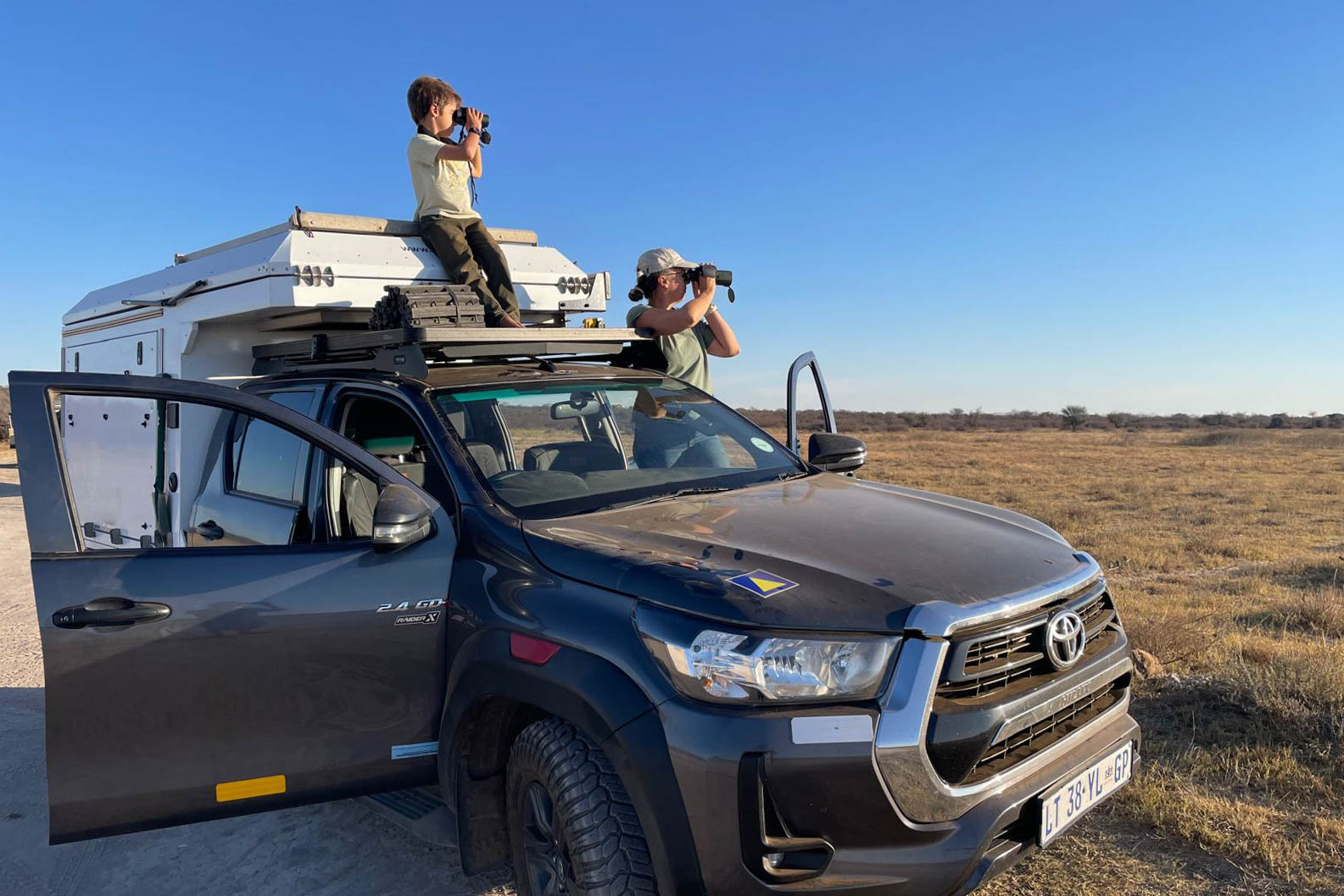
Where You rent a 4x4 vehicle and drive yourself on marked tracks. A Botswana safari tour self-drive saves money because you avoid guide fees. You need a high-clearance vehicle with low-range gears for sand roads. Bring paper maps because phone signals are rare. Stick to main routes between campsites. You spot elephants, giraffes, and sometimes wild dogs. Drive slowly between 20–30 km/h. Carry extra fuel, water, and a tire repair kit. Best months are May to October. Entry fees cost about $30–50 per day. This activity gives you freedom to stay as long as you want at sightings.
9. Bird Watching from a Hide
sit quietly near a small waterhole with a bird list and binoculars. A Botswana safari tour for birds is best in the Delta and Chobe where over 400 species live. You see African fish eagles, malachite kingfishers, and carmine bee-eaters. Spend one to two hours in the morning when birds feed. Bring a field guide or app for identification. No special equipment needed beyond binoculars. The hide keeps you shaded and hidden. You also see smaller animals like mongooses and monitor lizards. This is a low-cost activity included in most lodge stays. Do not wear bright colors. Move slowly when raising your camera.
10. Fishing Trip on Okavango Panhandle

You go out on a small motorboat with a fishing rod to catch bream and tigerfish. A Botswana safari tour fishing activity requires a catch-and-release policy in most areas. The Panhandle is the narrow upper part of the Delta with strong currents. Trips last half a day, including tackle and bait. No fishing license is needed for tourists. Best season is July to October when water levels drop. Wear a hat, sunscreen, and polarized sunglasses to see fish below surface. You can combine fishing with a boat cruise. Guides clean and cook your catch for lunch at some lodges. This works well for families with older children.
Best time of year to go for Botswana safari tour
Dry Season from May to October
May to October is the best time for a Botswana safari tour because animals gather around permanent water sources like the Chobe River and Okavango Delta channels. The vegetation is thin, making wildlife easier to spot. Days are warm and sunny, but nights from June to August get cold (near freezing). You need warm jackets for morning game drives. A Botswana safari tour during these months means no rain interruptions and fewer mosquitoes. However, this is peak season, so prices are highest and camps fill early. Book at least six months in advance. July to October offers the best predator action as thirsty animals come to rivers. The trade-off is crowds at popular spots like Savuti and Moremi.
Wet Season from November to April
November to April is green season with afternoon rains and high temperatures. A Botswana safari tour now costs 30–50% less, and you see newborn animals and migratory birds. The Okavango Delta floods peak in June, so water levels are actually lower early in wet season. Roads become muddy and some tracks close. You need a good 4x4 vehicle. A Botswana safari tour in December to February offers the zebra migration in Makgadikgadi Pans, but heat can exceed 38°C. Rains usually last one to two hours, clearing for evening drives. This time works for budget travelers and photographers who like dramatic storm skies. Avoid April when rains linger and roads worsen
How do travelers get there for Botswana safari tour

Most travelers start a Botswana safari tour by flying into Sir Seretse Khama International Airport (GBE) in Gaborone or Maun International Airport (MUB), which is the main gateway to the Okavango Delta. International flights connect via Johannesburg (South Africa) or Addis Ababa (Ethiopia), with South African Airways and Ethiopian Airlines offering daily routes. From Johannesburg, a 1.5-hour flight to Maun costs around $150–250 one way. Alternatively, you can fly to Kasane Airport for Chobe National Park. Overland options include driving from South Africa through the Martins Drift border post, but this requires a 4x4 vehicle and several days. For a Botswana safari tour that includes multiple parks, many travelers use small charter planes between Maun, Kasane, and the Delta camps because road distances are long (Maun to Kasane is 500 km on unpaved tracks). Public buses run from Gaborone to Maun but take 12 hours and do not enter park gates. Renting a 4x4 in Johannesburg or Gaborone and self-driving is cheaper for groups of four or more. Most international tour packages include transfers from Maun or Kasane airports.
How much is a Botswana safari tour
A Botswana safari tour typically costs between $250 and $600 per person per day depending on accommodation and activities . Budget camping safaris start around $150–$300 daily, with a 3-day Maun trip at $699 and a 14-day budget option at $4,144 . Mid-range tours average $350–$450 per day, while luxury mobile or lodge safaris range from $500 to over $1,700 daily . A 10-day high-end trip can reach $26,600 or more . For a Botswana safari tour lasting 7 to 14 days, total costs including park fees, transport, and most meals generally fall between $3,000 and $8,000 per person. Many packages require a "local payment" in cash on arrival, around $300 for longer trips, covering park entry fees and fuel . Flights, visas, tips, and drinks are usually excluded. Booking in low season (November to April) or joining group tours cuts costs significantly. A Botswana safari tour offers excellent value, but budget accordingly for internal flights between remote areas like the Okavango Delta
Is safari better in Botswana or South Africa?
Botswana safari tours are often considered more exclusive and remote, with fewer tourists and a strong emphasis on conservation. The Okavango Delta and Chobe National Park deliver pristine wilderness, abundant elephants, and unique water‑based safaris. South Africa, on the other hand, is more accessible and budget‑friendly, with Kruger National Park offering excellent Big Five sightings and diverse accommodation options. If you value privacy, untouched landscapes, and high‑quality guiding, Botswana is better. If you prefer affordability, self‑drive options, and a wider range of lodges, South Africa may suit you more. Ultimately, Botswana safari tours excel in exclusivity and wilderness, while South Africa provides convenience and variety
Which month is best for African safari in Botswana?
The best months for Botswana safari tours are May to October, during the dry season. Wildlife viewing is exceptional as animals gather around rivers and waterholes, particularly in the Okavango Delta and Chobe National Park. July to October is peak season, with the Delta’s floodwaters at their highest, creating dramatic scenery and excellent predator sightings. Temperatures are moderate, and vegetation is thinner, making animals easier to spot. November to March, known as the green season, offers lush landscapes, bird migrations, and fewer crowds, but wildlife is more dispersed. For first‑time visitors seeking the best balance of weather and wildlife, Botswana safari tours in June to September are ideal
What is the best safari in Botswana?
The Okavango Delta is widely regarded as the best safari in Botswana. This UNESCO World Heritage Site is a vast inland wetland where seasonal floods create a unique ecosystem. Botswana safari tours here feature mokoro canoe rides through reed‑lined channels, boat safaris, and guided walks. Wildlife sightings include elephants, hippos, crocodiles, lions, leopards, and rare bird species. Chobe National Park is another highlight, famous for its massive elephant herds along the Chobe River. For exclusivity, private concessions in the Delta and Linyanti Reserve offer low‑density tourism with luxury lodges and personalized guiding. Together, these destinations make Botswana safari tours unmatched in wilderness quality, biodiversity, and immersive experiences
Best tips for experiencing Botswana safari tour
Plan and Budget Smartly
Book your Botswana safari tour at least six months in advance for dry season months (May to October) because camps fill quickly. Choose a group joining safari instead of a private vehicle to cut costs by nearly half. Pack layers of clothing mornings can be near freezing, especially from June to August, while afternoons reach 30°C. Bring a good pair of binoculars and a camera with a zoom lens because animals often stay far away. For a Botswana safari tour that includes the Delta and Chobe, carry cash in Pula or US dollars for park fees and tips. Many remote lodges do not accept cards. Also, buy travel insurance covering emergency evacuation because medical facilities are limited outside Maun and Gaborone. Stick to main tracks when self-driving to avoid getting stuck in sand.
Respect Wildlife and Rules
Stay inside your vehicle during game drives unless you are on a designated walking safari with an armed guide. Do not feed or call out to animals. Keep noise low so you do not disturb natural behaviors. On a Botswana safari tour, maintain at least 50 meters from elephants and lions. If an elephant flaps ears or steps toward you, reverse slowly. Never drive off-road in national parks this is strictly enforced with heavy fines. For boat cruises in Chobe, sit down and do not lean over the edge near hippos. Also, avoid wearing bright colors or strong perfumes. Carry enough water and snacks because park gates have no shops. Leave no trash behind and stay on marked paths during walking activities. These rules keep you safe and protect the wilderness
Best places to stay in during Botswana safari tour
The best places to stay during a Botswana safari tour range from budget campsites to mid-range lodges near park gates. For the Okavango Delta, Maun’s Sitatunga Campsite offers tent pitches from $15 per person and has hot showers, while Island Safari Lodge provides affordable chalets with Delta access. In Chobe, Thebe River Safaris Camping in Kasane costs around $20–30 per night and includes a pool, and Chobe Safari Lodge has budget rooms near the river. For Moremi, North Gate Campsite inside the reserve lets you self-drive and stay close to wildlife for $30 per person. Makgadikgadi Pans has Planet Baobab, a quirky lodge with a pool and camping from $25. These options keep your Botswana safari tour affordable while placing you close to key wildlife areas. Book campsites early for dry season, as they fill months ahead
Booking Botswana safari tour with Dav safaris
Booking a Botswana safari tour with Dav Safaris is straightforward and reliable. You can contact them directly through their website (davsafaris.com) or by phone/WhatsApp at +256757795781 to discuss your budget and preferences. We specialize in crafting tailored itineraries across Botswana's top destinations, including the Okavango Delta, Moremi Game Reserve, Chobe National Park, and the Central Kalahari . Recent customer reviews on SafariBookings praise Dav Safaris for quick responses, high professionalism, and excellent driver guides who ensure safety and flexibility during the trip. We offer various accommodation tiers from budget camping to luxury lodges, and their packages typically include transport, park entry fees, meals, and expert guiding . For your Botswana safari tour, booking well in advance is recommended, especially for dry season travel from May to October, as demand is high. Dav Safaris operates across both East and Southern Africa, giving them established partnerships and local knowledge to secure good rates for your Botswana safari tour. Simply email info@davsafaris.com or call to start planning